Security of Strait of Hormuz is Iran's red line: Army chief
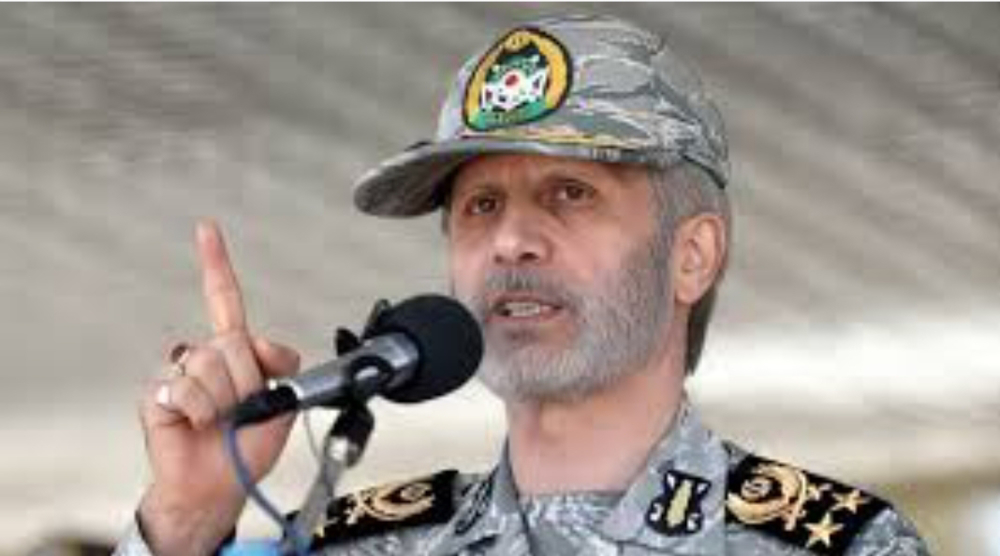
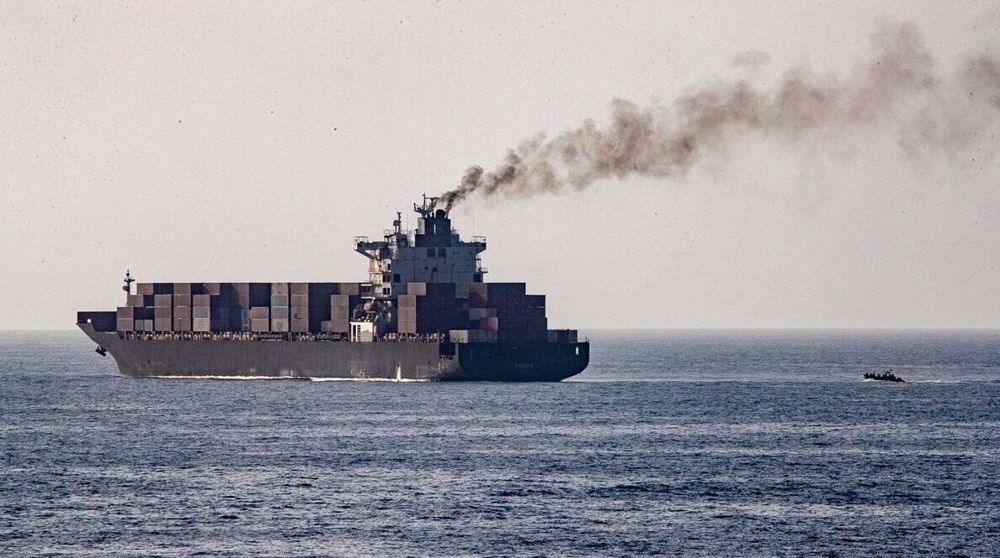
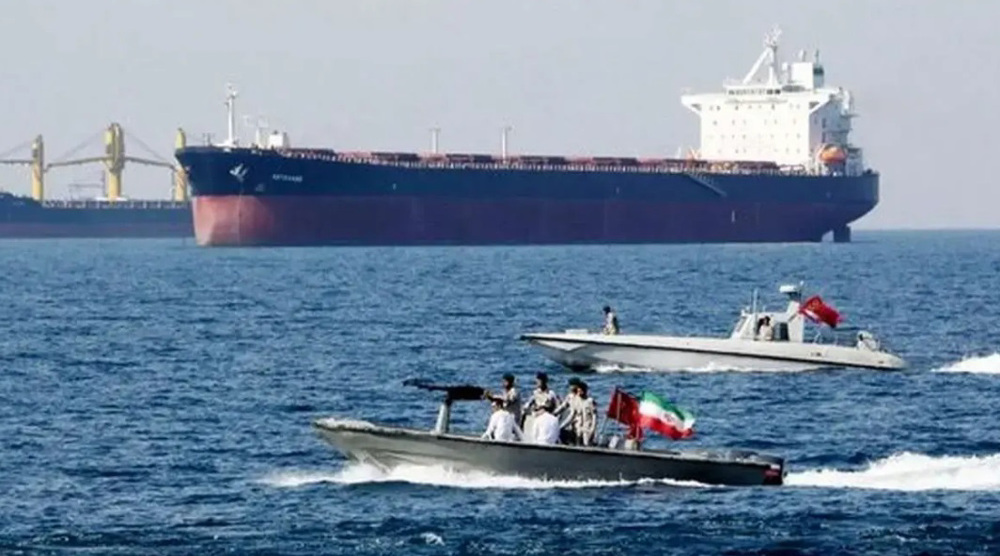
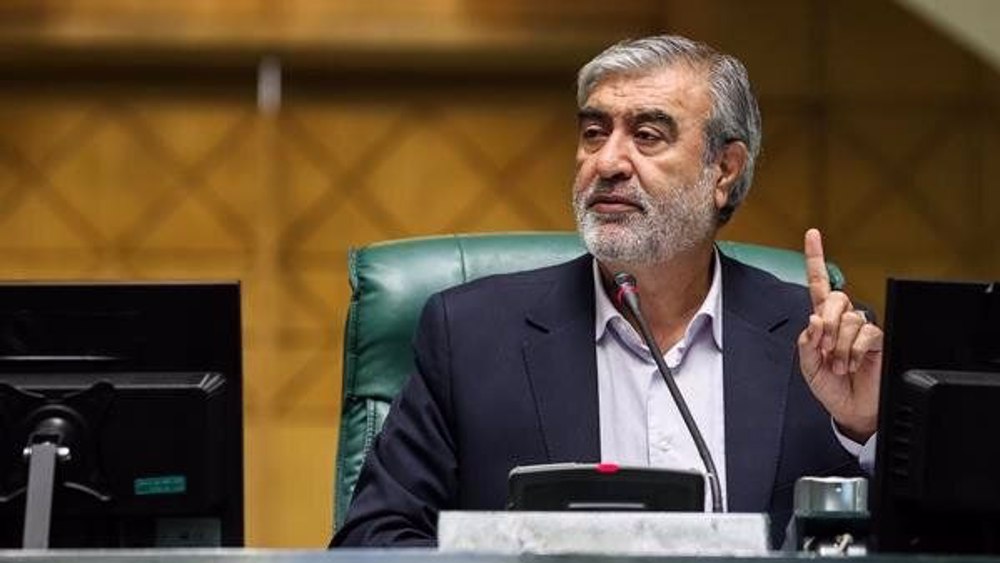
Commander-in-Chief of the Iranian Army Major General Amir Hatami says security of the Strait of Hormuz is a "red line" for the Islamic Republic amid Washington’s latest claim that the United States will help ships transit the strategic waterway in the Persian Gulf.
"The children of the Iranian nation are the watchful eyes of the Persian Gulf. Every inch of these waters is within the reach of our resolve,” Hatami wrote on X on Monday.
With the stealth of radar silence, he said, the American aircraft carriers imagined they could approach the Strait of Hormuz but Iranian forces gave a “fiery response.” “Cruise missiles and combat drones took to the skies,” the Army chief added.
In a Monday statement, the Iranian Navy said it was forced to fire cruise missiles, combat drones, and rockets near US warships that had ignored its warnings not to approach the Strait in an attempt to challenge Iran’s control over the key waterway.
The statement said the warships had turned off their transponders and attempted to approach the Strait in "dark mode" before reactivating their radars.
Iran maintains control over Strait of Hormuz despite threats@frzaneh_a reports from Strait of Hormuz
— Press TV 🔻 (@PressTV) May 2, 2026
Follow Press TV on Telegram: https://t.co/LWoNSpkc2J pic.twitter.com/9ldLq3af1d
The attempted passage of US warships came hours after President Donald Trump announced he had ordered the US military to begin an operation to break Iran’s control over the Strait and allow commercial ships to pass through after more than two months of being stranded in regional waters because of the illegal US-Israeli aggression against Iran.
The Islamic Revolution Guards Corps (IRGC) had also warned earlier in the day against any attempt by US military or commercial vessels to pass through the Strait of Hormuz without coordination with Iranian authorities.
Iran has controlled the Strait since the early days of the US-Israeli aggression that began in late February, allowing only ships that are deemed not hostile and that observe security protocols announced by the Iranian military to transit.
The control has left nearly 3,000 ships and some 20,000 sailors stranded on both sides of the Strait, while causing a major surge in international oil prices.
Iran has indicated that it is ready to reopen Hormuz in return for the US and the Israeli regime permanently ending their aggression against the country and its regional allies, while ending a naval blockade on Iranian maritime trade in the region.
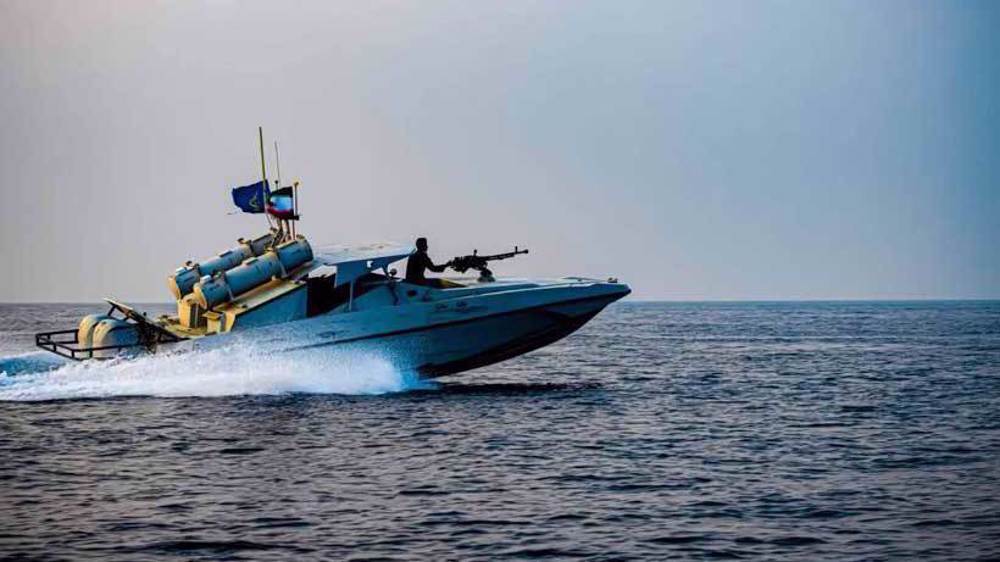
US claim of sinking Iranian boats ‘a lie’, senior military official tells IRIB
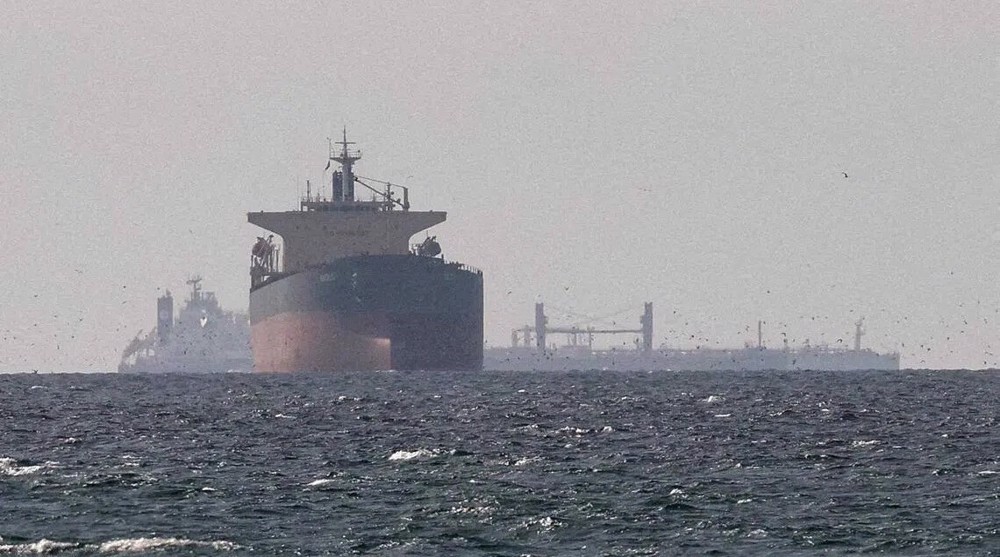
No commercial ship or oil tanker transited Strait of Hormuz in past hours: IRGC
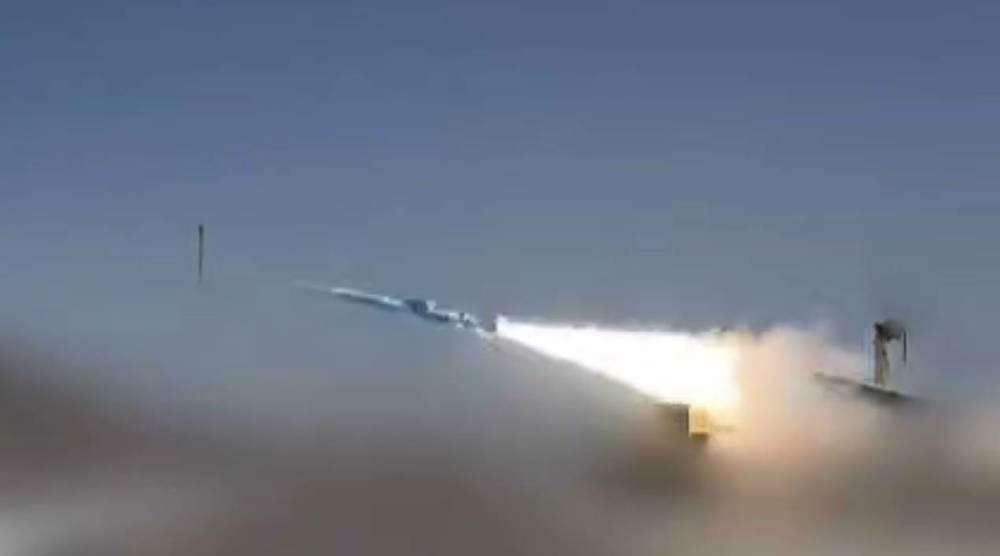
Iran Navy confirms it fired missiles, drones to warn US warships approaching Hormuz Strait



Security of Strait of Hormuz is Iran's red line: Army chief
US claim of sinking Iranian boats ‘a lie’, senior military official tells IRIB
Italy opens torture probe after Israel’s kidnapping of Gaza flotilla activists
VIDEO | Iraq’s next government faces security gaps, oil dependency
Hezbollah targets elite Israeli infantry brigade, casualties inflicted
VIDEO | Israel refuses to release Flotilla activists as world stays silent
VIDEO | Paris rally honors slain Lebanese journalists
VIDEO | Israel killed nearly 100 Palestinians in Gaza in April alone amid ceasefire violations


 PressTV NEWSLETTER
now
PressTV NEWSLETTER
now

 This makes it easy to access the Press TV website
