Leader’s aide: Unified Iran stands tall while ‘deep fracture’ grips US-Europe alliance
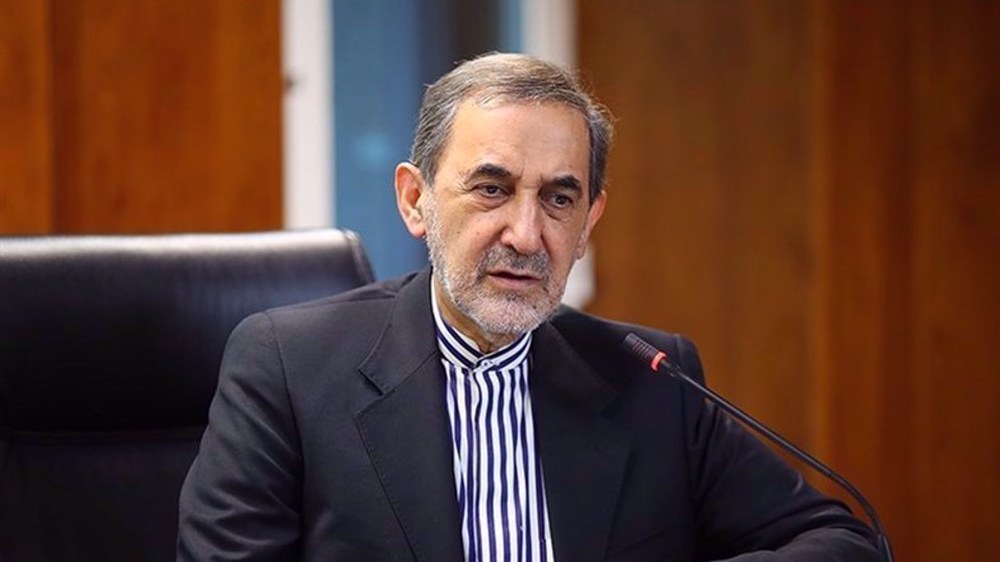
Ali Akbar Velayati, a senior advisor to the Leader of the Islamic Revolution, says while Iran stands united in the face of its enemies, a “deep fracture” is widening in the relations between the United States and its traditional European allies.
In a post on his X account on Saturday, Velayati dismissed Washington’s narrative of internal divisions within Iran, arguing instead that tensions among Western partners are deepening.
He pointed to disputes between the United States and the United Kingdom over the Malvinas Islands, as well as growing European calls for independence from Washington amid the latter’s unilateral policies.
The remarks came days after US President Donald Trump announced an extension of a two-week ceasefire in the war against Iran, claiming the move was partly “based on the fact that the government of Iran is seriously fractured, not unexpectedly so.”
“Washington speaks of internal disputes in Iran,” Velayat wrote, “but the tension with London over the Malvinas Islands, and Europe’s warnings of the need for independence from the United States, reveal a deep fracture in the front of its traditional allies.”
تتحدث واشنطن عن الخلافات الداخلية في إيران،لكن التوتر مع لندن بشأن جزر مالفيناس، وتحذيرات أوروبا بضرورة الاستقلال عن الولايات المتحدة، تكشف عن تصدع عميق في جبهة حلفائها التقليديين اليوم تقف إيران الموحدة في مواجهة الجبهة العبريةالعربيةالأميركية.
— Aliakbar Velayati (@Drvelayati_ir) April 25, 2026
«العالم كله جسد، وإيران هي القلب»
He contrasted this with a cohesive Iranian position, stating that “today, unified Iran stands in confrontation with the Hebrew-Arab-American front.”
Velayati concluded his remarks with a symbolic assertion of Iran’s significance in global affairs, writing: “The whole world is a body, and Iran is the heart.”
Regional tensions have soared over ongoing war rhetoric from American and Israeli authorities against the Islamic Republic.
On February 28, the United States and Israel initiated a large-scale and unprovoked war against Iran, assassinating Leader of the Islamic Revolution Ayatollah Seyyed Ali Khamenei and several high-ranking military commanders.
In response, Iranian Armed Forces carried out a series of retaliatory missile and drone operations against US and Israeli military assets for over 40 days, which resulted in significant damage.
A two-week ceasefire was brokered on April 8, followed by negotiations in Islamabad, where Iran proposed a ten-point plan seeking US troops' withdrawal and the lifting of sanctions.
Despite 21 hours of intensive discussions, the negotiations ended without an agreement, with Iran citing a lack of trust in US commitments.
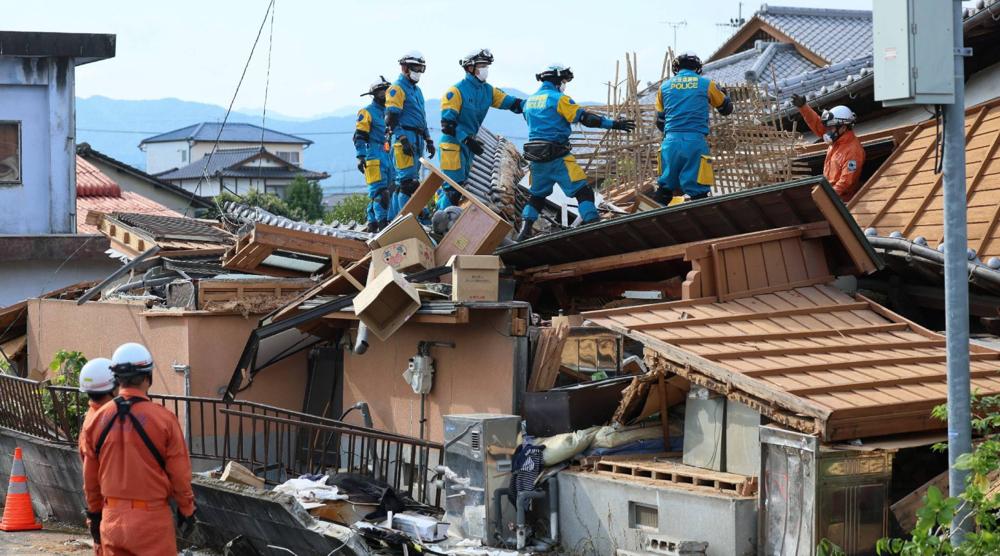
Iran condoles Japan over deadly M7.1 Kumamoto earthquake
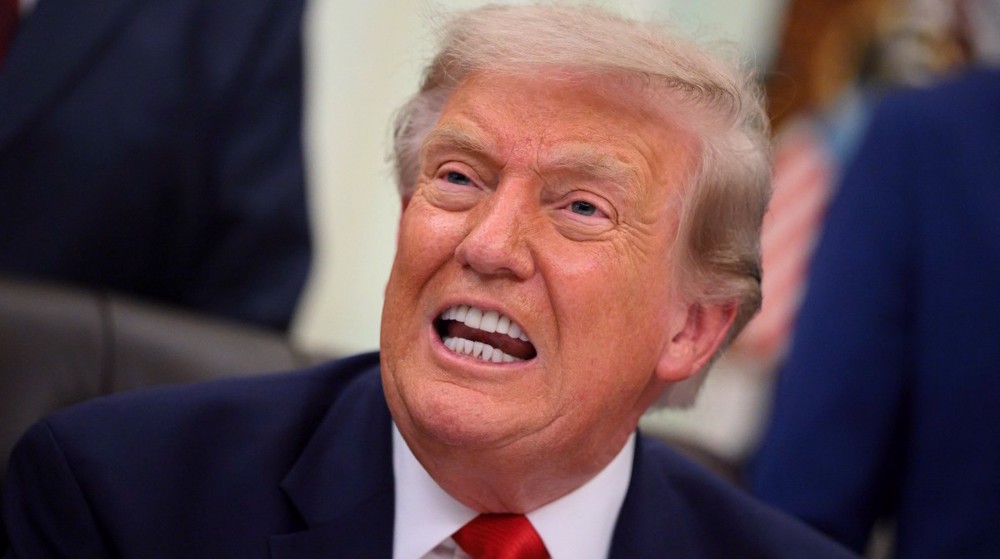
Trump ‘exasperated’ with war on Iran as US officials divided on path forward: Report
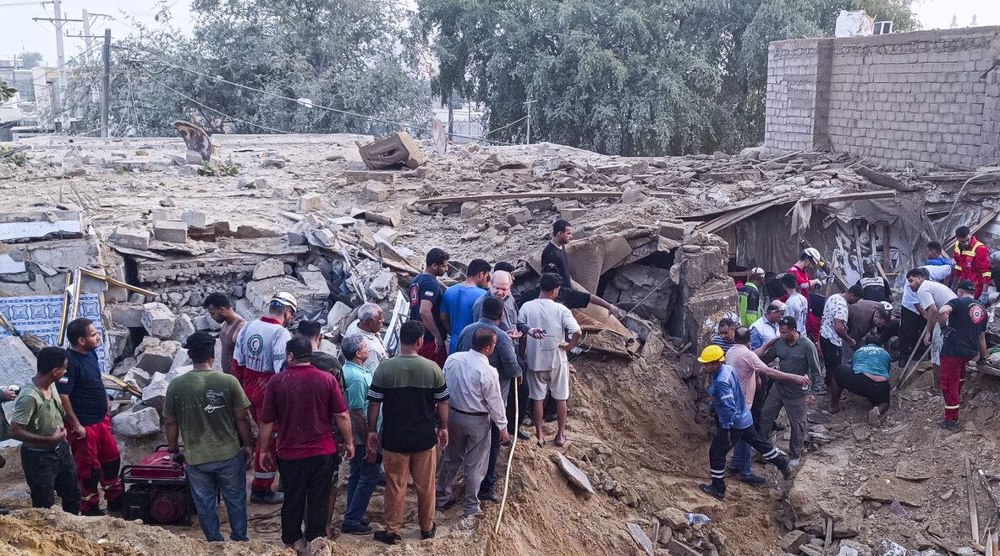
US attack on residential home in Iran’s Qeshm kills toddler, parents



Iran FM warns of Israeli false-flag plots after drone attack in Egypt
Coffins now part of US equipment in region: Top Iranian commander
Response to US-Saudi aggression must protect Iraq’s sovereignty, deter future attacks: Analyst
Tel Aviv seeks deeper military integration with Washington as US support for Israel erodes: Report
VIDEO | Press TV's news headlines
IRGC releases evidence debunking CENTCOM’s claims of 'zero damage' in Jordan strike
VIDEO | Gaza students continue education despite limitations
Israeli troops stage 'mutiny' at notorious Sde Teiman base




 PressTV NEWSLETTER
now
PressTV NEWSLETTER
now
 This makes it easy to access the Press TV website
