Hezbollah says truce owed to Iran, warns of 'treacherous enemy'
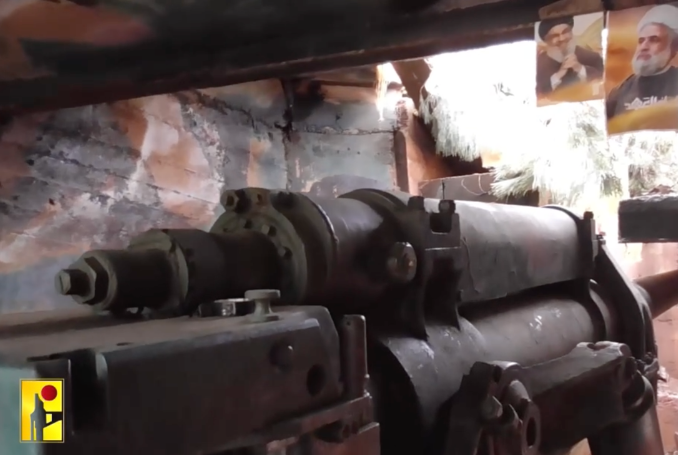
Hezbollah says its fighters still have their "hand on the trigger" and are monitoring any enemy sabotage after the announcement of a 10-day ceasefire, as the Lebanese group reviewed 45 days of resistance against Israeli forces.
In a statement carried by Hezbollah's Al-Manar TV, the group said Friday that Israel's "killing machine" – despite resorting to brutality and intelligence capabilities – failed to prevent resistance fighters from carrying out their duties.
Hezbollah said its fighters struck Israeli targets in occupied Palestine during the period, with an average of 49 operations per day. Using drones and missiles, the group hit Israeli settlements and areas deep inside occupied Palestine, including beyond Tel Aviv, it added.
Hezbollah said it stood fast against the Zionist regime's aggression, sketching "scenes of sacrifice and heroism" in defense of the country and its people.
US President Donald Trump announced the 10-day ceasefire during a White House address. A Lebanese parliamentarian and member of the Loyalty to the Resistance bloc emphasized that the implemented ceasefire was achieved as a result of "clear Iranian pressure."
Speaking to al-Manar network, MP Hussein al-Hajj Hassan noted that continuous communications between Saudi Arabia and the Islamic Republic of Iran played a role in reaching this agreement in Lebanon.
Hassan Fadlallah, a fellow member of the Lebanese parliament, corroborated this, stating that Iran’s ambassador in Beirut had informed Lebanese officials that a ceasefire would begin Thursday night, describing the agreement as the result of Iranian diplomatic efforts.
Fadlallah added that Iranian authorities will monitor US compliance with its commitments under the agreement, noting that the resumption of Iran-US negotiations is contingent upon the implementation of these commitments.
He stressed that Hezbollah’s adherence to the ceasefire depends on a complete halt to all hostile actions.
Iran: Lebanon ceasefire major diplomatic victory for Axis of Resistancehttps://t.co/tLVIzIuGv0
— Press TV 🔻 (@PressTV) April 17, 2026
Iranian ultimatums
An informed Iranian military source speaking to Al Mayadeen network confirmed Tehran's leverage, stating that during the process of pursuing a halt to the war in Lebanon, and following the failure of diplomatic efforts, Iran had come close to resuming its military operations several times.
The source noted that Iran had initially halted its missile operations in exchange for promises regarding the timing of a ceasefire, while the enemy continued its aggression, customary to its habit of breaking pacts.
The military source added that Iran set a final and decisive deadline on Wednesday night to stop the aggression against Lebanon. Alongside the steadfastness and sacrifices of Hezbollah on the frontlines, the enemy's awareness of the seriousness and inevitability of the start of Iran's missile operations if attacks continued is what ultimately led to the ceasefire, the source explained.
Iran's Parliament speaker Qalibaf:
— Press TV 🔻 (@PressTV) April 17, 2026
The ceasefire [in Lebanon] was nothing but a result of Hezbollah's steadfastness and the unity of the Axis of Resistance; and we will deal with this ceasefire with caution, and we will remain together until the full realization of victory. pic.twitter.com/bdcj574qJT
Iran's pressure was heavily tied to recent ceasefire between Iran and the US. Washington had initially accepted Tehran’s 10-point plan that included a Lebanon ceasefire, before backtracking following lobbying from Israel.
According to multiple reports, Iran then threatened to boycott last week talks in Islamabad if attacks on Lebanon were not halted, prompting the US to press Israel on the matter.
Immediate violations
Despite the midnight announcement, the ceasefire faced immediate challenges on the ground. Lebanon's National News Agency (NNA) reported that Israeli bombardment of two southern towns continued despite the truce.
In an urgent news report published roughly 30 minutes after the ceasefire began, the NNA stated: "The bombardment of the towns of Khiam and Dibbine in the south continues by the enemy after the implementation of the ceasefire."
The report also noted that there was "intense drone activity by the enemy over Rashaya and the western slopes of Mount Hermon" in the southeast, though it did not provide details regarding material damage or casualties.
Anticipating such breaches, Hezbollah issued a statement urging extreme caution among its supporters.
"With the announcement of the ceasefire, and in the face of a treacherous enemy accustomed to violating pacts and agreements, we call upon you to exercise restraint and not head to the targeted areas in the South, the Bekaa, and the southern suburb of Beirut until the course of events becomes fully clear," the resistance group stated.
Displaced residents begin to return to southern Lebanon after the ceasefire took effect.
— Press TV 🔻 (@PressTV) April 17, 2026
Follow: https://t.co/mLGcUTS2ei pic.twitter.com/zsHPkbOz2w
While expressing deep appreciation for the steadfastness of the displaced citizens, Hezbollah added, "God willing, you will return to your villages with your heads held high, honorable as you have always been."
MP al-Hajj Hassan echoed this caution, warning that the enemy is “treacherous” and has already violated the current ceasefire multiple times.
"We are investigating whether the enemy will adhere to the ceasefire and refrain from attacking villages and resuming assassinations," he said.
He outlined specific goals for the current phase, including Israeli withdrawal, the return of prisoners and displaced persons, reconstruction, and a halt to attacks. He stressed that the enemy ultimately failed to achieve its declared goals, as towns like Bint Jbeil and Khiam did not fall under its control.
The finalized ceasefire also came after Israel and the pro-Western government in Beirut agreed on Tuesday to begin direct talks following a meeting between the Israeli and Lebanese ambassadors to the United States. Following those direct talks, Israel’s ambassador to the US Yechiel Leiter claimed that Beirut and Tel Aviv were "on the same side" against Hezbollah.
Israeli officials have pressed for the full disarmament of Hezbollah, a condition that Lebanon’s pro-Western political factions have appeared willing to entertain in exchange for Western financial and political support.
However, these talks have sparked anger among many Lebanese who view the terms as a capitulation to US and Israeli demands at the expense of Lebanon’s sovereignty. Critics have raised concerns that the deal may grant Israel freedom of action and oversight inside Lebanese territory—provisions that Lebanese officials have previously rejected.
Ali Akbar Ahmadian, Leader's representative in Iranian Defence Council:
— Press TV 🔻 (@PressTV) April 17, 2026
The courageous resistance of the people of Lebanon and the brothers of Hezbollah has finally forced the Zionist enemy to retreat and accept a ceasefire. pic.twitter.com/g1eTi4fg7M
The urgency for a ceasefire follows a period of devastating Israeli violence. On April 8, Israel launched its largest aggression on the Lebanese capital since 1983, killing over 300 people in a series of nationwide airstrikes focusing heavily on Beirut.
Since those massacres, the Israeli military halted attacks on the Lebanese capital due to Iranian pressure exerted ahead of the Islamabad talks.
Yet, it had continued brutal attacks on the south, where Hezbollah forces have been fiercely confronting an Israeli ground invasion, leading up to the implementation of the current truce.
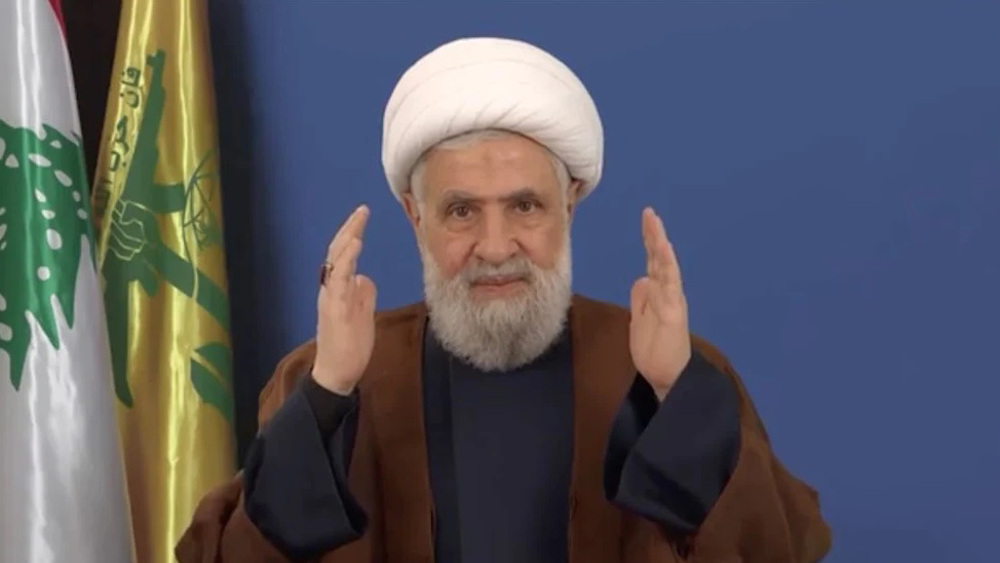
Hezbollah leader: Iran thwarted US-Israeli war goals; ultimate victory belongs to resistance
Remembering Sabra and Shatila massacre: Why memory is the ultimate shield against erasure
Two years after Israel’s pager terrorism in Lebanon: Scars, loss, and the will to carry on



US aggression, economic warfare amount to crimes against humanity: Iran's UN envoy
Protests erupt in US as ICE agent shoots Venezuelan driver
US pressure fuels cooperation among Muslim states: Pezeshkian
Major TV networks suspend White House pool coverage after Trump ban
US visa ban on Palestinian UN delegation violates international agreements: Hamas
VIDEO | Press TV's news headlines
Iran calls on France to respect law after suspending French cultural institute in Tehran
Israel lobby no longer shy about its grip on US policy on Iran: Araghchi


 PressTV NEWSLETTER
now
PressTV NEWSLETTER
now
 This makes it easy to access the Press TV website
