Chinese interest in Iran’s civilization surges amid US-Israeli attacks on Persian heritage: Report
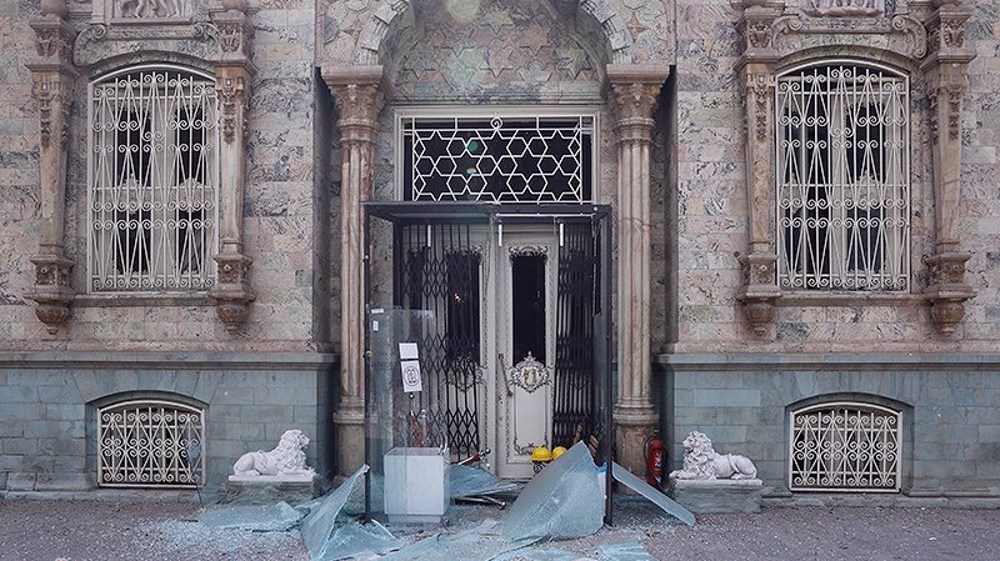
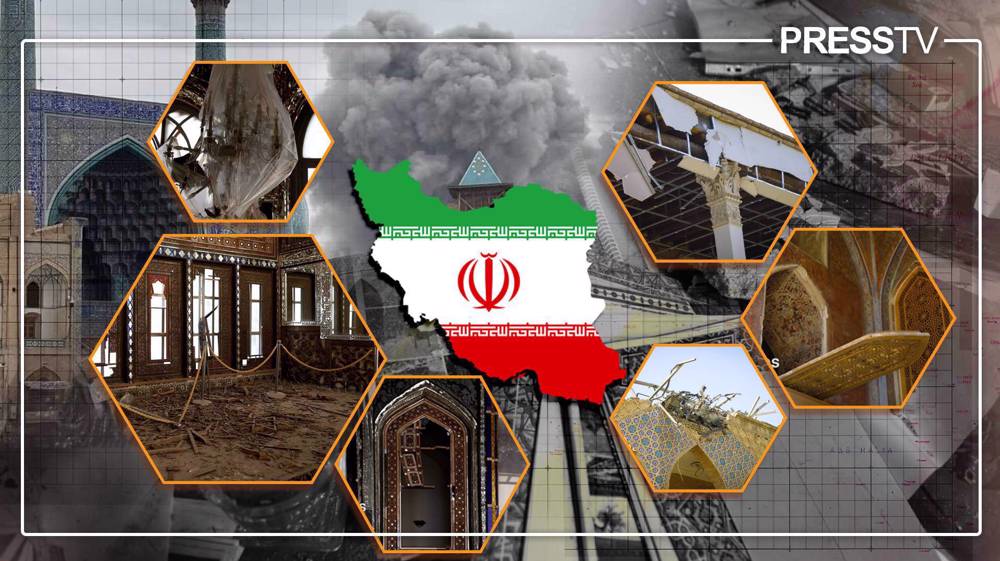
The interest of Chinese people in Iran has reportedly increased amid the illegal US-Israeli war of aggression that targeted the country’s civilizational and cultural heritage, among other civilian sites.
The CNN reported that leading booksellers in Beijing have confirmed Chinese people’s surging curiosity about Iran during the military assault against the Islamic Republic.
“Books on Iran used to get no buyers, but demand has picked up recently,” said a worker at Page One bookstore in the Chinese capital.
The report added that students are also checking out books on Iran across Chinese university campuses.
“More students have come to check out books on Iran since last month,” said a librarian at a prestigious Beijing university, surnamed Zhang.
Meanwhile, Karen Yan, a 30-year-old finance worker in Beijing, said watching documentaries on ancient Iran has recently become her favorite pastime.
“Having seen in the news that those ancient sites in Iran turned to debris has led me want to learn what they once were, and I find those truly beautiful,” she noted, admiring the soothing beauty of Iranian architecture – ornate.
Echo Zhao, who works in the consulting industry in Suzhou, said he recently bought two books on Iran to “better understand or empathize with the current situation or circumstances of ordinary people.”
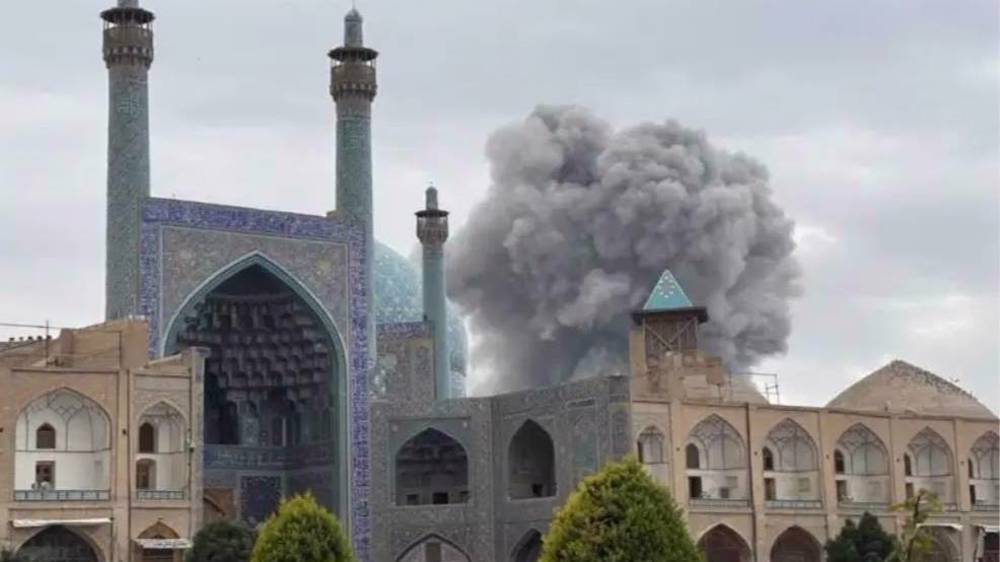
Chinese mounting interest in Iran is “probably due to the current international climate and the reality of US-China tensions,” the 34-year-old added.
Gao Shan, an academic publisher in Beijing, told CNN that “ancient Iran has always been a critical link in China’s ancient trade route silk road.”
Additionally, museum curator Dong Bibing, who is managing an exhibition of more than 150 Iranian antiques, in Hohhot, Inner Mongolia province, said the show had grown increasingly popular.
Dong said he felt “very heartbroken” when he read about Iranian historical landmarks being damaged in US-Israeli strikes.

The unprovoked US-Israeli aggression on Iran began on February 28 with airstrikes that assassinated senior Iranian officials and commanders.
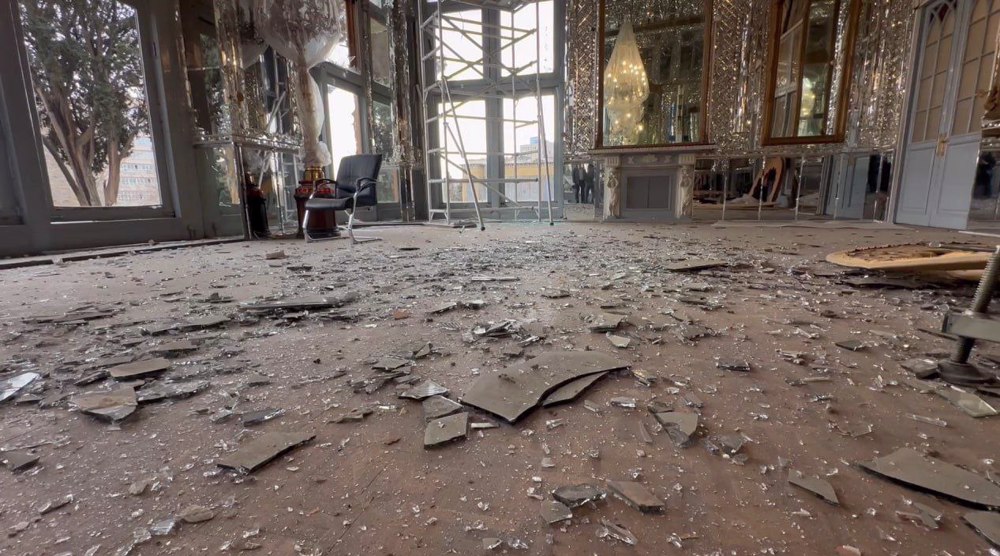
More than 130 Iranian landmarks, including those inscribed on the UNESCO World Heritage List, were destroyed or damaged in the enemy attacks.
In response to the aggression on the country, the Iranian armed forces unleashed 100 waves of successful retaliatory strikes against sensitive and strategic American and Israeli targets throughout the region.
Forty days into the war, a Pakistan-brokered two-week ceasefire went into effect but Washington-Tehran negotiations in Islamabad failed to reach a deal due to the American delegation’s excessive demands and shifting goalposts.
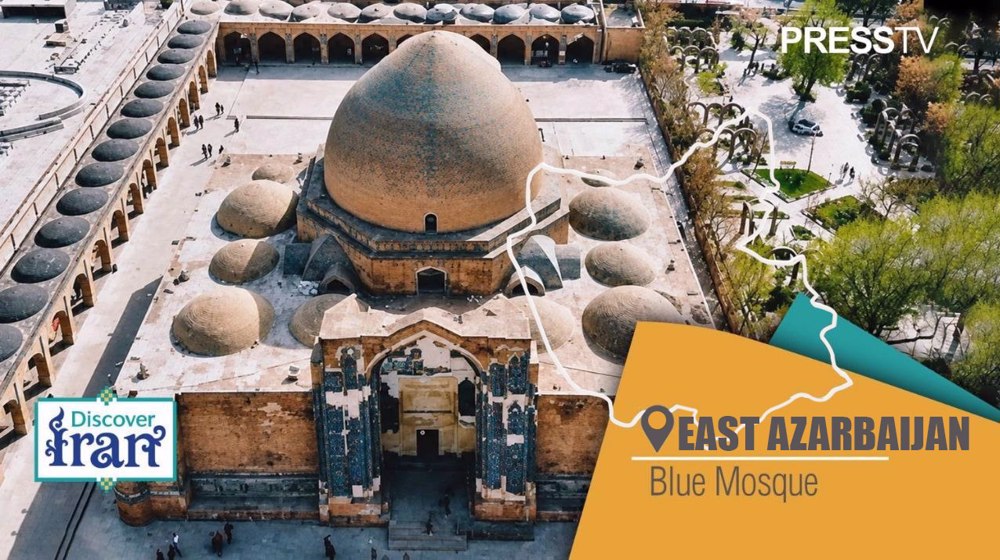
Discover Iran: Tabriz’s Blue Mosque, where glorious history meets timeless Iranian architecture
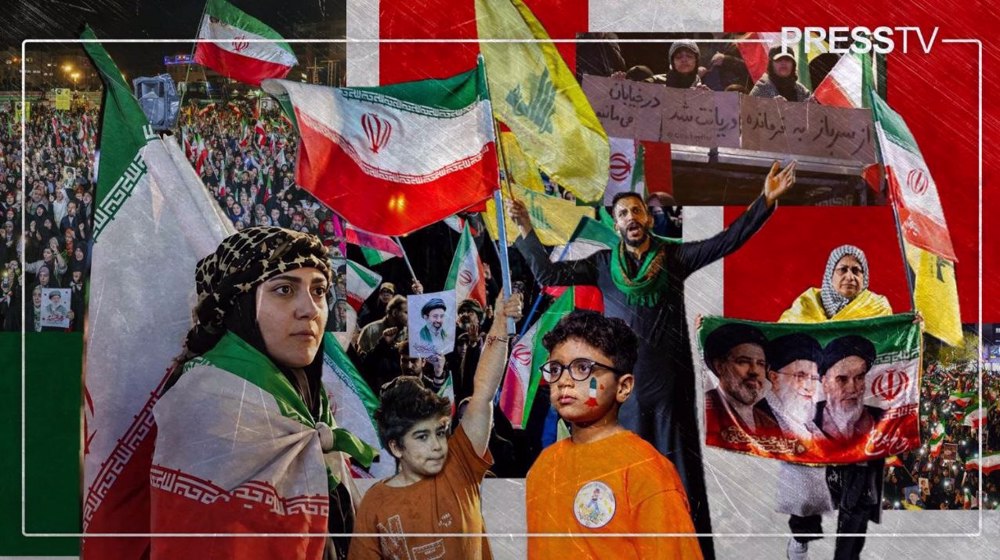
200 nights, one resilient nation: Iranian people’s epic in defense of homeland and Revolution

Discover Iran: Tabriz Grand Bazaar, where centuries of trade, culture and craftsmanship still thrive



Iran claim basketball bronze at 2026 Asian Games, win delegation’s first medal
Yemen warns Saudi escalation will draw stronger response
Iraqi MP: Resistance weapons aimed at enemies, terrorist groups
South Korea rejects Hormuz deployment plan
VIDEO | News Review: US accused of understating troop deaths in war on Iran
Qalibaf: No reopening of Hormuz until US meets Iran’s conditions
Top Iranian MP mocks US claims of fuel crisis, warns against miscalculation
Israel has carried out 1,068 incursions into Syria since Assad’s fall: Report



 PressTV NEWSLETTER
now
PressTV NEWSLETTER
now
 This makes it easy to access the Press TV website
