Blue Shield deployed at 120+ Iranian heritage sites amid US-Israeli strikes on culture
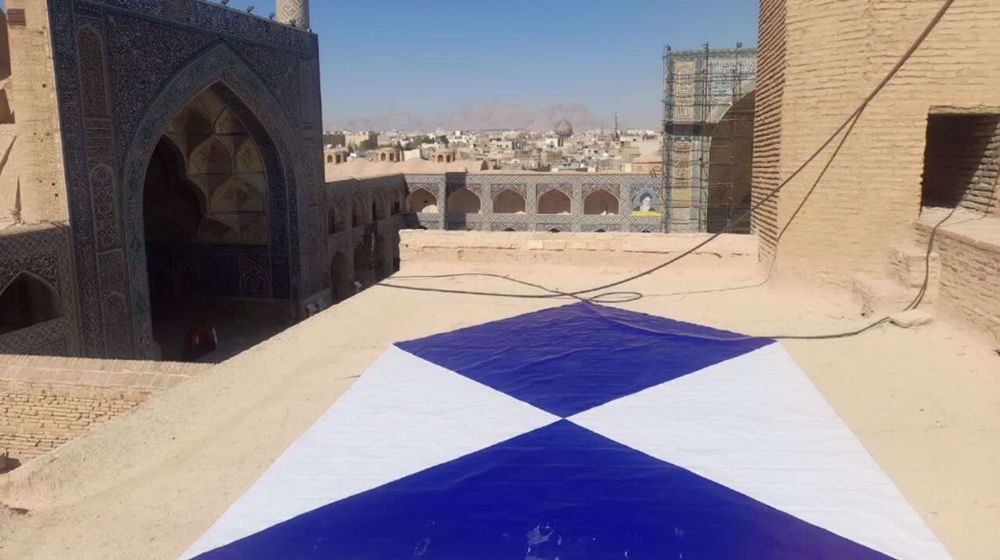
The director‑general of Iran’s Cultural Heritage Preservation, Restoration and Conservation says “Blue Shield” protective systems have been installed in more than 120 museums and a number of historic buildings across the country.
In an interview with IRNA, Mohsen Tousi said the measure aims to safeguard the nation’s valuable cultural and historical treasures.
He noted that from the first day of the US-Israeli aggression against Iran, “the heads of the Cultural Heritage, Tourism, and Handicrafts departments in the provinces received a letter ordering the installation of the Blue Shield symbol in museums and historic buildings.”
He added that the Blue Shield symbol has already been installed in some museums and historic buildings, while installations are ongoing in others.
“According to data collected by provincial officials, the symbol has been placed in more than 120 museums and several historic sites across the country, including in Kerman, Lorestan, Fars, Mazandaran, Hamedan, East Azarbaijan, and Ardebil,” he noted.
The remarks come as the US-Israeli aggression against Iran, which started late last month, has damaged some historical sites in the country, including those inscribed in the UNESCO World Heritage list.
An attack on Monday seriously damaged Chehel Sotoun Palace in Isfahan.
Several UNESCO-registered historical sites in Isfahan were seriously damaged following today’s attacks by US-Israeli forces on the Isfahan Governorate. pic.twitter.com/C1pVsSlSd3
— Press TV 🔻 (@PressTV) March 9, 2026
Tousi highlighted that the “Blue Shield” logo is one of the most widely accepted global tools for protecting cultural and historic sites during both peace and war, noting its status as the official emblem of the 1954 Hague Convention on cultural property protection.
He explained that under international law, the Blue Shield marking signals the presence of cultural assets to potential aggressors—whether in aerial raids or urban unrest—thereby helping to deter attacks.
Tousi added that if any party targets marked sites, affected nations can file complaints and seek condemnation in international forums.
During the recent US-Israeli aggression, Tehran’s Golestan Palace was severely damaged as a result of rockets and an explosion wave on Arg Square in the buffer zone.
Tehran's Golestan Palace sustained damage in recent US-Israeli airstrikes.
— Press TV 🔻 (@PressTV) March 2, 2026
Follow: https://t.co/mLGcUTS2ei pic.twitter.com/NKXCgXt7mo
“By collecting documentation on Golestan Palace and presenting it to international forums, we seek a condemnation of the enemy’s assault on these world heritage sites,” he further said.
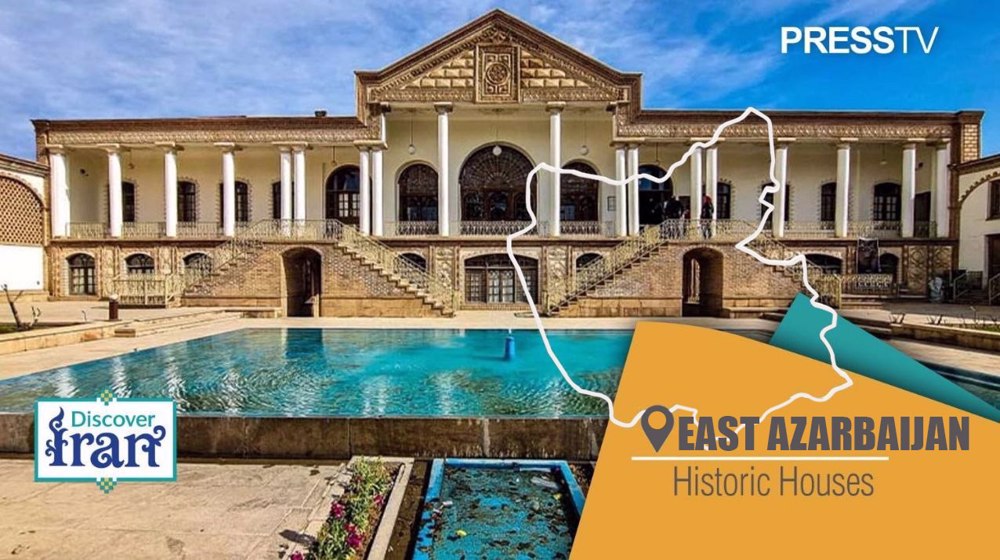
Discover Iran: Tabriz’s extraordinary architectural legacy through royal palaces, merchant mansions
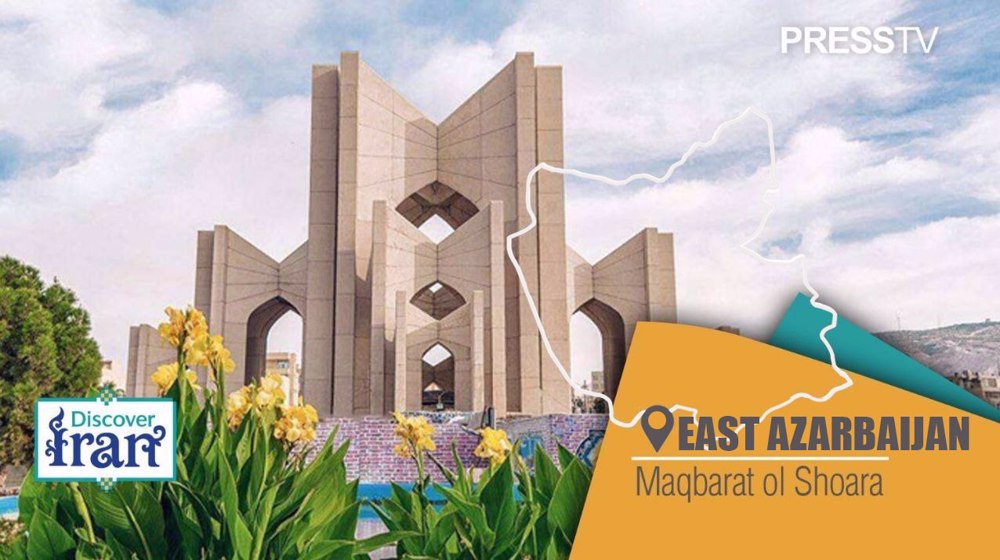
Discover Iran: Tabriz’s ‘Mausoleum of Poets,’ where centuries of Persian literary history live on
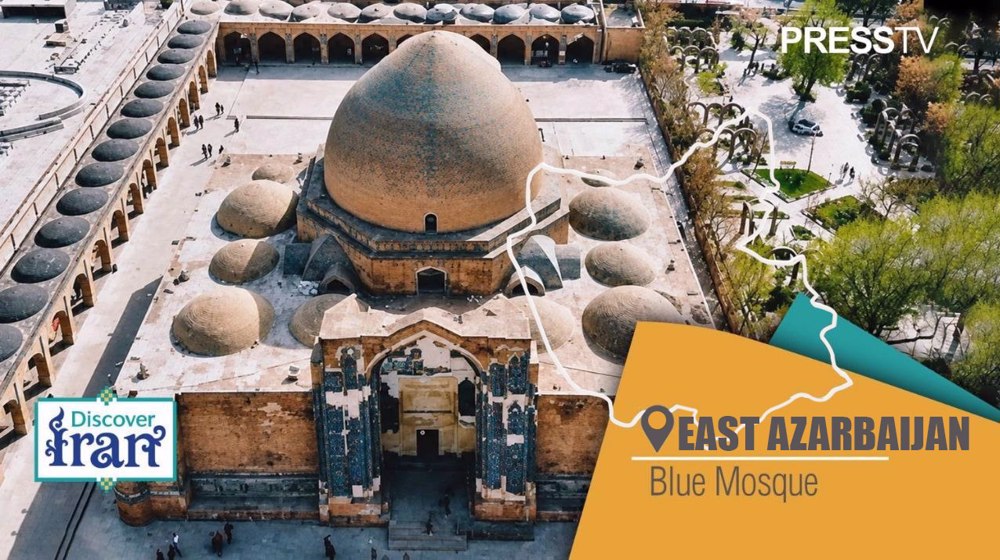
Discover Iran: Tabriz’s Blue Mosque, where glorious history meets timeless Iranian architecture



VIDEO | Putin’s United Russia wins landslide victory in parliamentary election
2026 Asian Games: Iran’s karate practitioners win one gold, three silver medals
VIDEO | Record fuel prices in France spark fears of new 'Yellow Vest' uprising
VIDEO | US diesel gas hits all-time record, could cost Trump Congress
VIDEO | Escalating Pakistan-Afghanistan cross-border tensions: Can diplomacy outpace military friction?
Ansarullah: Yemeni armed forces fighting ‘decisive battle’ against Saudi Arabia
Pezeshkian vows to firmly defend Iran’s positions, convey its strength at UN
Iran to begin reverse-engineering captured US underwater drone: IRGC


 PressTV NEWSLETTER
now
PressTV NEWSLETTER
now
 This makes it easy to access the Press TV website
