Enemy agreed to ceasefire based on Iran conditions after failure of war goals: Army spokesman
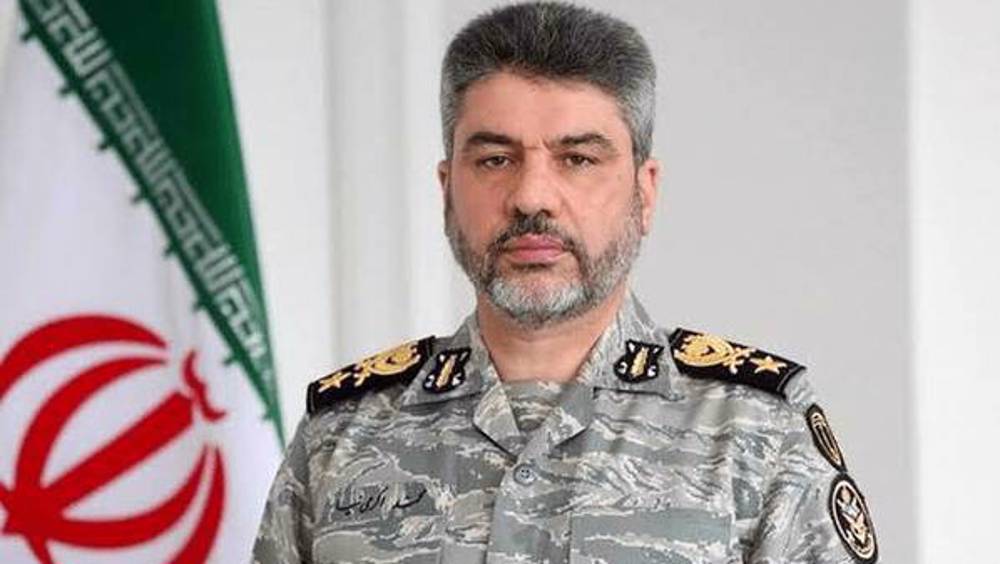
A spokesperson for Iran’s Army says the enemy agreed to the Islamic Republic’s 10-point proposal for a ceasefire with the United States since it failed to achieve its declared and covert objectives in the war.
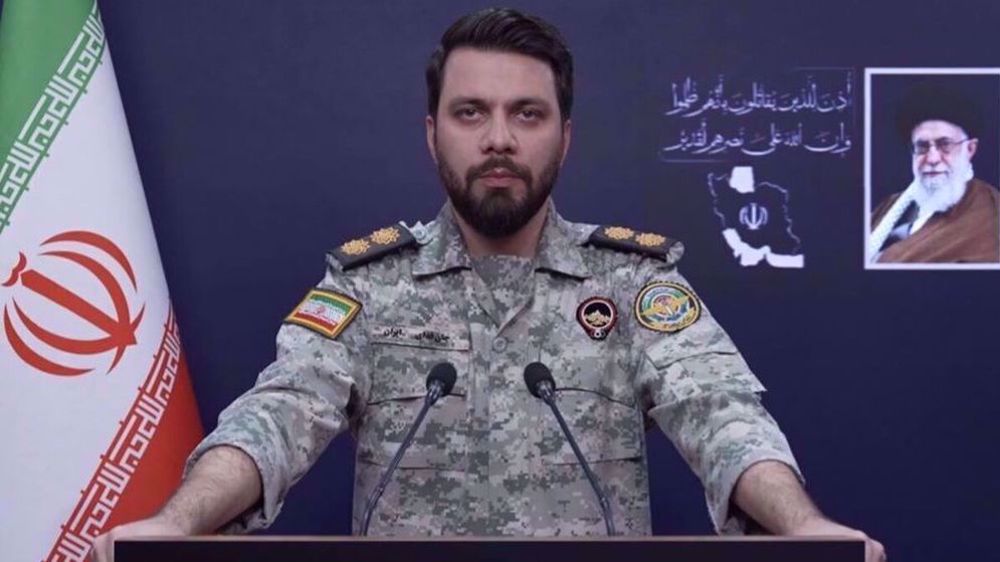
Brigadier General Mohammad Akrami-Nia made the remarks on Thursday as he elaborated on the operational and strategic aspects of the war of aggression launched by the US and Israeli regime against Iran, which began on February 28.
Iran’s Supreme National Security Council (SNSC) announced on Wednesday an agreement to a Pakistan-brokered two-week ceasefire after the US accepted Iran’s 10-point proposal, which could potentially be followed by negotiations to effectively end the war.
“The enemies entered the war with an act of aggression and pursued objectives on both declared and covert levels. At the macro level, their goal was based on overthrowing the establishment of the Islamic Republic, making a regime change, and preparing the ground for the country’s disintegration,” Akrami-Nia said.
Along with such goals, he added, the enemies also pursued “multiple operational and tactical objectives.”
“An assessment of the war according to battlefield and strategic aspects shows that the enemy failed to achieve any of these goals, including macro, operational, and covert [objectives], and suffered a multilayered defeat in practice,” the Army spokesperson emphasized.
He noted that the enemy’s exposed weakness and the Iranian Armed Forces’ promotion of operational experience were the second major achievements of Iran in the US-Israel war.
“One of the enemy’s initial goals was to impose a ground war and expand the conflict into close-range combat, but this goal failed due to the Iranian Armed Forces’ effective deterrence and operational readiness,” Akrami-Nia explained.
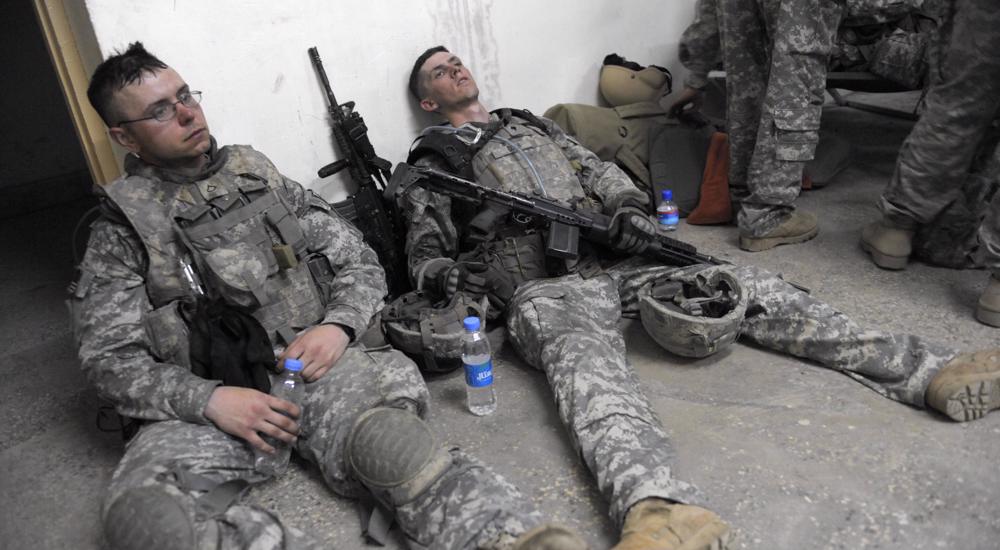
In the field of air and air defense, he added, Iran’s Armed Forces succeeded in tracking and downing a number of the enemy’s “most advanced fighter jets” using the integrated air defense network.
The destruction of more than 170 advanced drones of the enemy proves the effectiveness of Iranian defensive and offensive systems to detect, track, and engage the enemy at various tactical and operational levels, he reiterated.
He noted that Iran’s downing of the enemy’s fighter jets — some of them among the world’s most sophisticated military assets — created deterrence and provided the Armed Forces with important experience to counter advanced threats.
Pointing to regional developments, the Army spokesperson said increased coordination and boosted power of the resistance front were among the other important achievements of the war.
“Although the resistance forces have been present in the region for years, it was the first time that we witnessed the implementation of coordinated and joint operations at this level,” he noted, emphasizing that growing synergy within the resistance front can definitely enhance the effectiveness of operations and the enhancement of deterrence power at a regional level in the future.
Referring to the strategic consequences of the anti-Iran war for Washington, he said, “One of the important achievements of this war was the loss of regional countries’ trust in the United States of America.”
According to the Army spokesperson, over the past decades, particularly after Britain’s diminished role in the 1970s, the US expanded its presence in the region and portrayed itself as a security guarantor after establishing multiple bases along the southern part of the Persian Gulf region and selling large quantities of weapons to regional states.
“However, the war showed that the US lacks the capability to effectively defend its allies. Iran’s Armed Forces succeeded in targeting all US bases in the region, rendering them effectively inoperable,” Akrami-Nia said.
He added that American personnel at bases in the region are now taking shelter in bunkers and have lost the ability to use the facilities.
“This issue dealt a serious blow to US credibility in security matters in the region,” he emphasized.
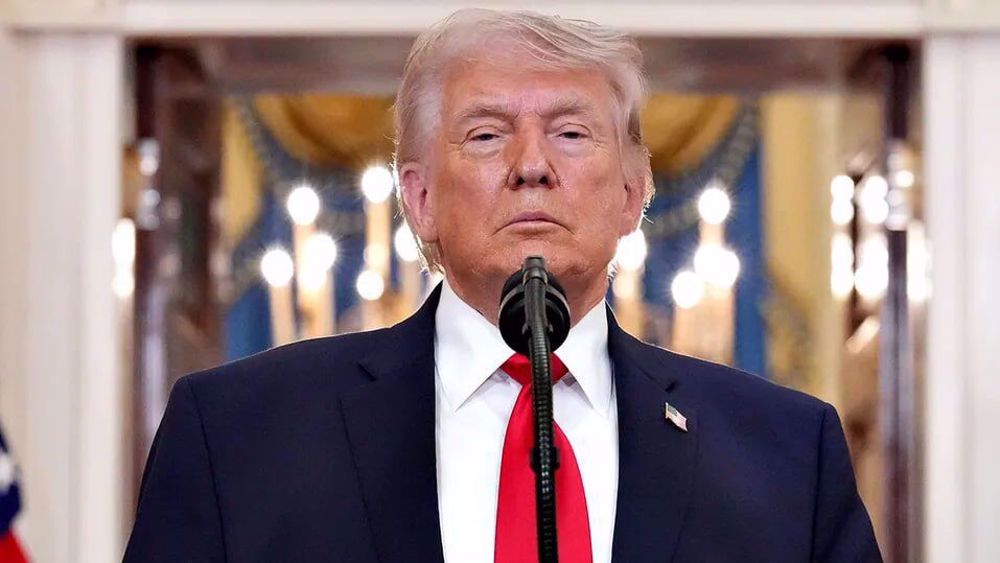
The United States and Israel launched their unprovoked war of aggression against Iran on February 28.
They assassinated Leader of the Islamic Revolution Ayatollah Seyyed Ali Khamenei and struck nuclear sites, schools, hospitals and civilian infrastructure.
Iran’s decisive Operation True Promise 4 was launched in retaliation. Hundreds of ballistic and hypersonic missiles, and drones, have pounded US military bases across West Asia and Israeli positions throughout the occupied territories.
Throughout the war, Iran continued to target Israeli and American assets in occupied Palestine and US military bases and interests in the Persian Gulf, maintaining its resilience even after 41 days of fighting.
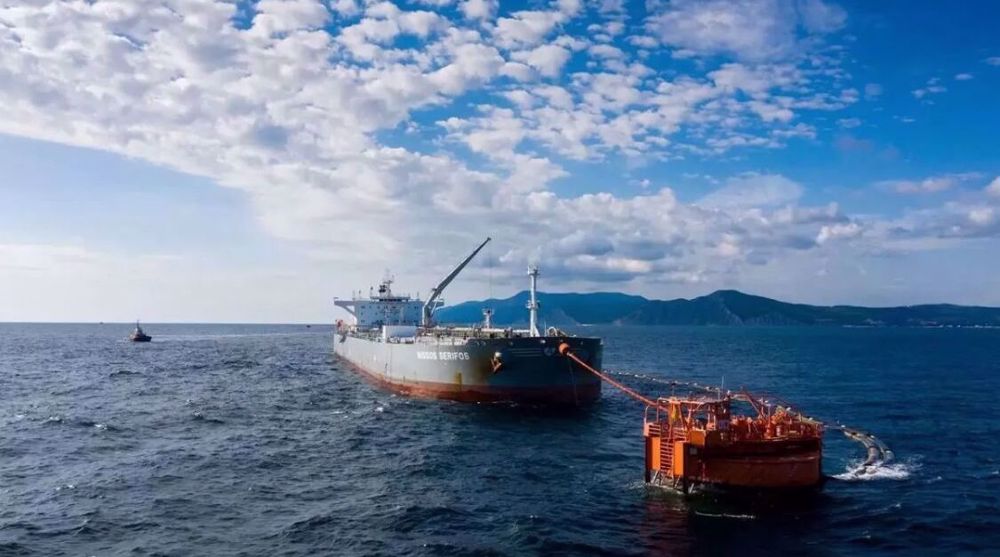
Iran condemns US attacks on oil tankers as violation of international law
Iran military warns US of ‘more severe blows’ to warships if aggression continues
Iran releases details of US bomb used in attack on wedding ceremony



IRGC strikes 3 US-linked vessels, 3 trespassing oil tankers in retaliation for American attacks
VIDEO | News Review: Trump downplays war on Iran, calling it 'small potatoes'
Iran condemns US attacks on oil tankers as violation of international law
VIDEO | News Review: US attacks Iran oil tankers
VIDEO | Nuclear madness: Who can stop Trump?
Iran military warns US of ‘more severe blows’ to warships if aggression continues
‘Governments continue to fail’: Freedom Flotilla sails again to break Israel’s Gaza blockade
US approves $5 billion arms sale to Saudi Arabia as it renews aggression against Iran


 PressTV NEWSLETTER
now
PressTV NEWSLETTER
now
 This makes it easy to access the Press TV website
