US-Israeli aggression on Iran: What happened on 40th day of the imposed war
By Press TV Website Staff
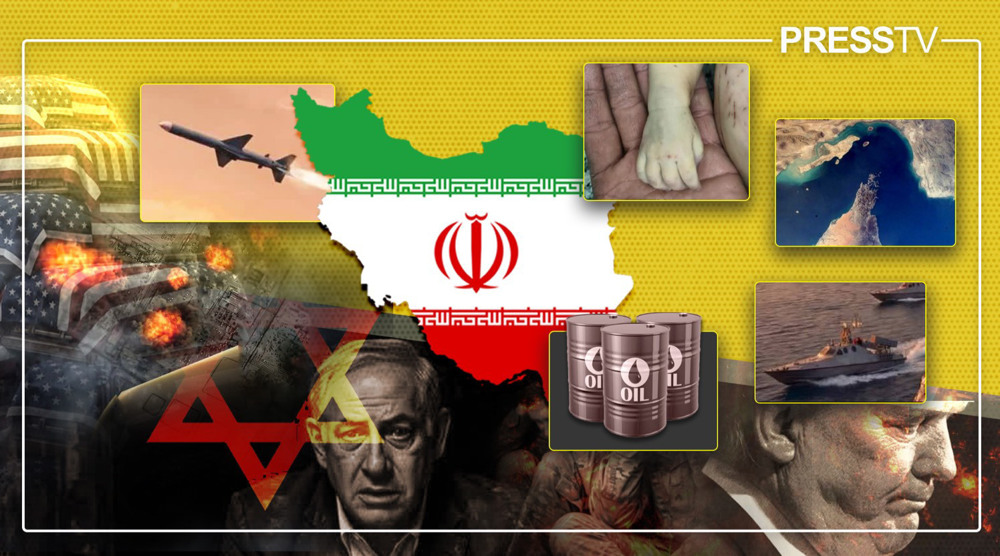
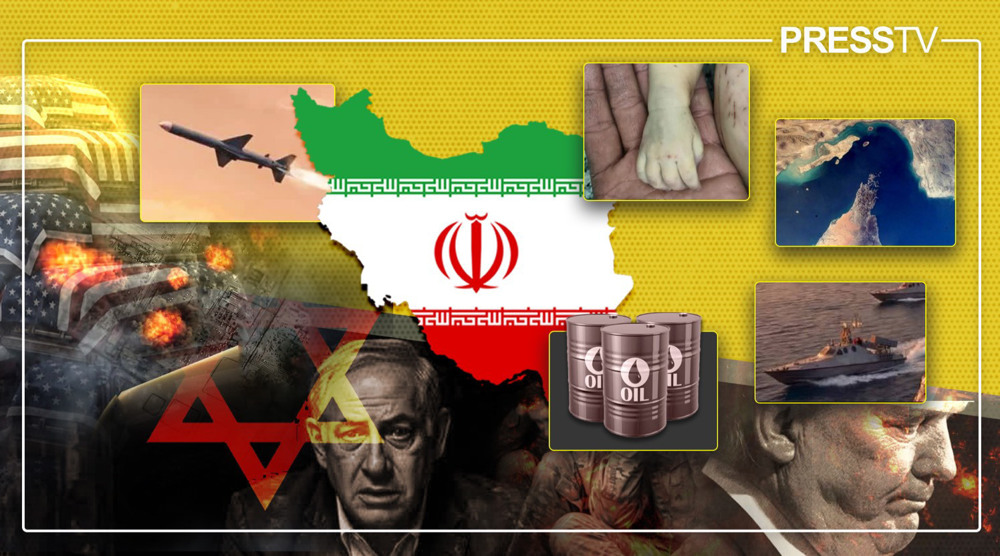
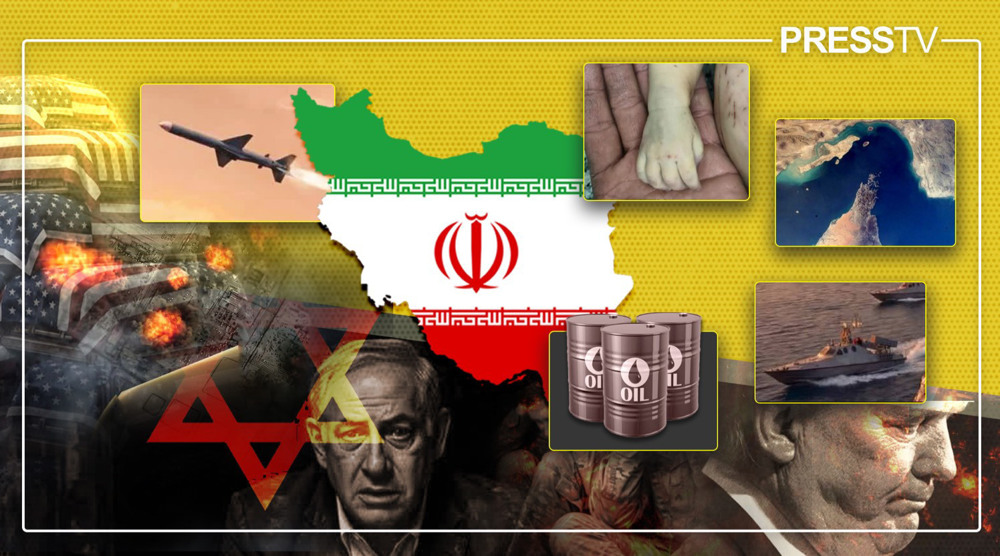
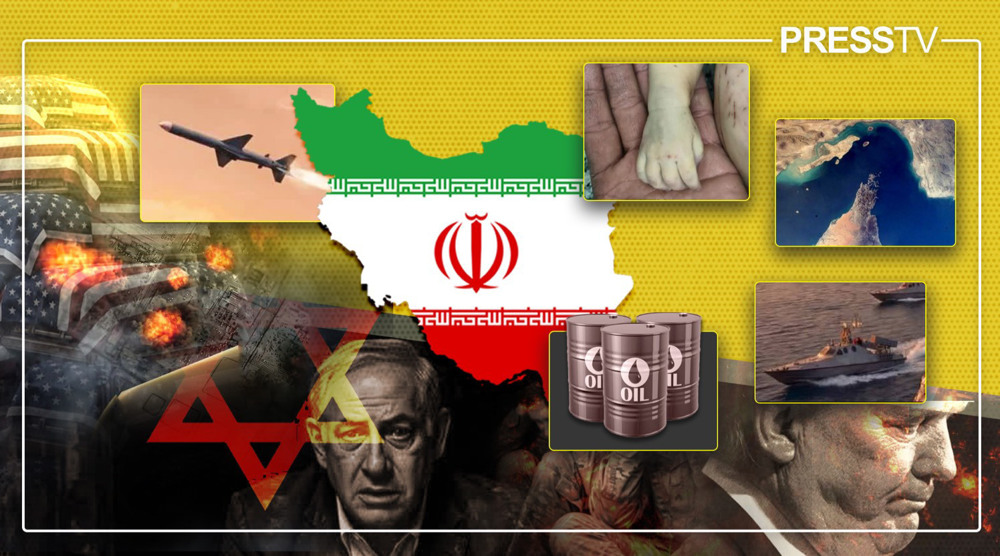
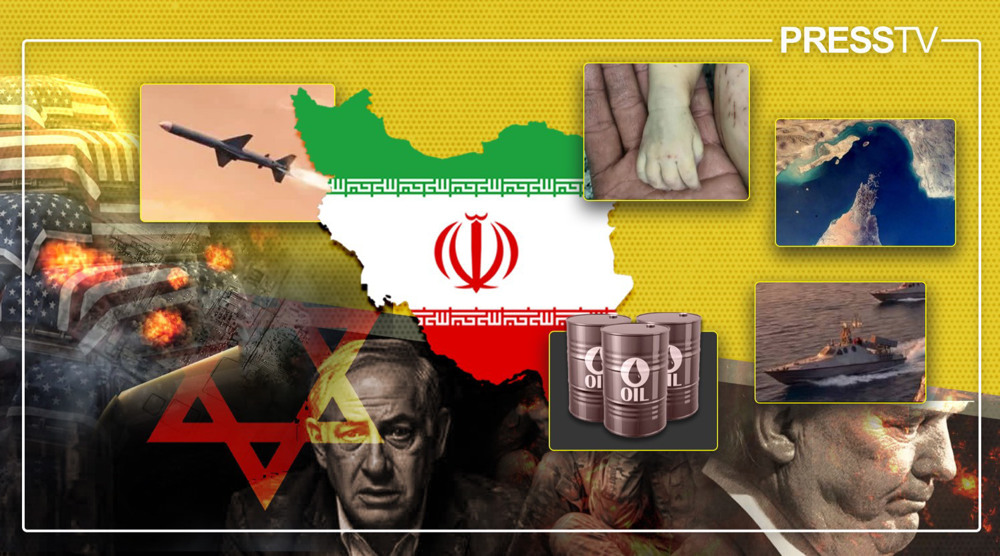
Forty days into the US-Israeli war on Iran, Tehran forced Washington to accept its terms and agree to a ceasefire, marking a historic victory for the Islamic Republic as the US pivoted to diplomacy after failing to achieve any of its war objectives.
Iran announced that Washington had been forced to accept a ten-point Iranian proposal, which includes a permanent end to attacks, continued control over the Strait of Hormuz, withdrawal of US combat forces from the region, lifting of sanctions and cessation of aggression on all fronts, including Lebanon.
However, in a clear violation of the ceasefire, the Israeli regime immediately launched a large-scale bombardment of Lebanon, killing nearly 255 civilians.
Top Iranian officials, including President Masoud Pezeshkian, Speaker Mohammad Baqer Qalibaf and Foreign Minister Abbas Araghchi, condemned the attacks and warned that any further aggression would be met with decisive retaliation from Tehran.
IRGC also issued a statement, condemning the aggression and vowing strong retaliation.
Meanwhile, world leaders welcomed the two-week truce, while financial markets reacted notably to the unfolding developments in West Asia.
Key developments from Day 40 of the imposed war:
- Iran declared a "historic and crushing defeat" of the United States and the Israeli regime after 40 days of imposed war, announcing that Washington has been forced to accept a 10-point Iranian proposal.
- US President Donald Trump announced the ceasefire in a Truth Social post, saying he had accepted the “general framework” of Iran’s 10-point proposal as a “basis for negotiations.”
- In a violation of the ceasefire, the US and Israel carried out attacks on the islands of Lavan and Siri in the Persian Gulf on Wednesday morning.
- Iranian President condemned the violations of the ceasefire, vowing that the Islamic Republic will respond “decisively” to any attack.
- The Israeli regime carried out a massive bombardment on Lebanon despite the ceasefire deal, killing nearly 255 people.
Pezeshkian: Iran will respond 'decisively' to any ceasefire violationhttps://t.co/2J4wGTOkFk
— Press TV 🔻 (@PressTV) April 8, 2026
- Iran's parliament speaker, Mohammad-Baqer Qalibaf, said a bilateral ceasefire or negotiations with the United States would be "unreasonable" given the serious violations committed by aggressors, even before any talks have begun.
- Iran’s foreign minister stated that the United States must decide whether it wants a ceasefire or continued war through Israel, warning that Washington violated a two-week truce by allowing the Zionist regime to massacre hundreds of civilians in Lebanon.
- Pakistani Prime Minister Shahbaz Sharif confirmed that the terms of a recent ceasefire between Iran and the United States have been violated, with the Israeli regime continuing to attack Lebanon.
- The Wall Street Journal, citing US officials, reported that current negotiations are focused not on a final accord, but on extending deadlines for diplomacy.
- Markets reacted immediately to diplomatic developments. Gold, previously trading between $4,705–$4,730 per ounce, jumped to $4,775.
- Brent crude dropped 13.3% to $94.76 per barrel, while US crude fell 15.2% to $95.79 per barrel.
- UN Secretary-General Antonio Guterres welcomed the announcement of a two-week ceasefire, urging all parties to comply with international law and the terms of the truce, emphasising that ending hostilities is essential to protect civilian lives and reduce human suffering.
- Israel’s Maariv newspaper reported that the US-Israeli war on Iran has ended in a "decisive victory for Iran," with both the US and Israel conceding to a "strategic surrender" and retreating from the battlefield.
Mediator Pakistan confirms US-Iran ceasefire violated as Israel ravages Lebanonhttps://t.co/EPEZqLYYX3
— Press TV 🔻 (@PressTV) April 8, 2026
- Israeli opposition leader Yair Lapid said that Benjamin Netanyahu “failed politically and strategically in achieving even a single one of the goals that he himself set before the recent war.
- Spanish Prime Minister Pedro Sánchez welcomed the two-week truce as an essential step for regional security, stable shipping, and the global economy.
- French President Emmanuel Macron welcomed the ceasefire, stressing that it must be fully respected throughout the region, including Lebanon.
- Oman’s Foreign Ministry also welcomed the ceasefire, highlighting the importance of sustained diplomatic efforts toward a permanent resolution.
- Germany and the United Kingdom voiced strong support for the diplomatic path, warning that continued war would have dire consequences.
- British Prime Minister Keir Starmer called the ceasefire a critical first step towards regional stability.
- Japan, heavily reliant on West Asian oil, hailed the truce as a positive step and expected a final agreement to follow through diplomatic channels.
- Egyptian President Abdel Fattah el-Sisi welcomed the move, framing it as a shift away from military escalation.
- The New York Times reported that Japan’s prime minister contacted Iran to ensure safe passage for ships through the Strait of Hormuz, critical to Tokyo, which imports roughly 95 percent of its oil from the region.
- Tuesday night saw a renewed US-Israeli airstrike on the Mahshahr petrochemical hub in Khuzestan.
- Trump vowed punitive measures against any country supplying military equipment to Iran, threatening a 50 percent tariff on all goods sold to the US.
US aggression against Iran leaves NATO air defenses ‘beyond critical,’ officials admit
Iran will send Netanyahu ‘to hell’: Rezaei
IRGC: US, Israel resort to economic war after failing to defeat Iran



Ansarullah: Saudi Arabia should revise its calculations about Yemen
Iran offers condolences to Nepal as floods death toll hits 552
VIDEO | Iran-Pakistan gas pipeline back in focus as Islamabad seeks to steer the project out of arbitration
VIDEO | US sanctions policy against Iran condemned in Malaysia
Iran women make history with first-ever Asian Volleyball Championship semifinal berth
Gaza Civil Defense teams recover bodies of 233 Palestinians from destroyed buildings
Intelligence forces arrest 30 mercenaries involved in foreign-backed riots in Markazi Province
Trump needs treatment for ‘delusions’ about Strait of Hormuz: Iran deputy FM



 PressTV NEWSLETTER
now
PressTV NEWSLETTER
now
 This makes it easy to access the Press TV website
