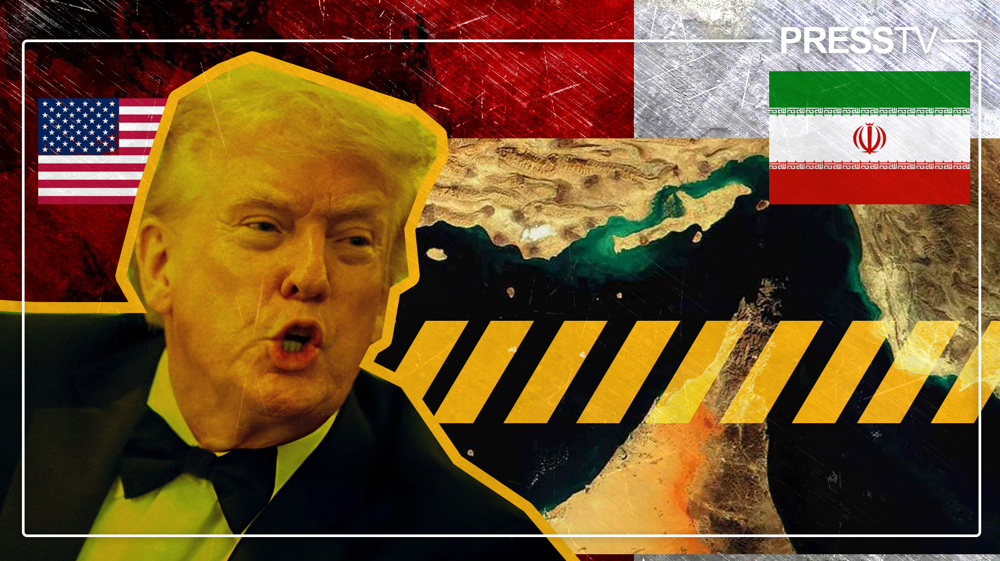
Leveraging Strait of Hormuz, Iran turns US sanctions on its head
By Press TV Staff Writer
In a significant shift in the global energy landscape, India, the world’s third-largest importer of crude oil, has resumed buying oil from Iran after a seven-year hiatus.
India’s Ministry of Petroleum announced on Saturday that the country’s refineries, grappling with disruptions in West Asian oil supplies, have turned to Iran for crude oil once again.
These disruptions as a result of the US-Israeli war of terrorism on Iran have threatened key oil shipping routes, notably the Strait of Hormuz, a vital transit chokepoint through which a significant portion of global oil flows.
In May 2019, under mounting pressure from the United States, India ceased its oil imports from Iran, aligning itself with US sanctions targeting Tehran.
However, shifting market conditions and growing concerns about energy security have compelled New Delhi to reconsider its energy sourcing options.
A major factor enabling India’s renewed oil imports from Iran is the removal of financial and banking barriers that had previously hindered such transactions.
The Indian Ministry of Petroleum emphasized that there are now no significant financial or banking restrictions preventing oil imports from Iran, a stark contrast to the obstacles that plagued the two countries’ energy relations in the past.
In addition to crude oil, reports suggest that India has also secured a shipment of 44,000 tonnes of liquefied petroleum gas (LPG) from Iran. The shipment, which was transported by a vessel under sanctions, recently docked at the Mangalore port in India.
This represents a significant step in expanding energy cooperation between the two countries. India’s re-engagement with Iran is also a reflection of shifting global priorities, particularly in the face of mounting energy security concerns.
Passage through Strait of Hormuz possible only through coordination with Iran: Defense Councilhttps://t.co/akb1ciLAaE
— Press TV 🔻 (@PressTV) March 23, 2026
With energy supply vulnerabilities becoming an increasingly prominent issue for major economies, economic imperatives are gradually taking precedence over political considerations.
For a fast-growing economy like India, access to affordable and reliable energy sources is essential for maintaining growth, making countries like Iran, with their abundant energy reserves, key players in India’s energy calculus.
Over 80% of India’s crude oil imports come from the Persian Gulf region. The Strait of Hormuz is the key artery through which this oil passes, making any disruption to its access a serious economic and security risk for India.
A closure of the strait would force India to find alternative, far more costly and time-consuming routes, such as bypassing the African continent. India’s rapid economic growth means that its demand for energy is increasingly urgent.
In this context, the argument could be made that India, rather than submitting to US pressures, should look to strengthen its ties with Iran, a stable and independent energy power in the region.
Beyond India, the broader implications of Iran’s control over the Strait of Hormuz are profound.
While Washington has long used its financial influence to impose sanctions on adversaries, Tehran’s control over this vital energy chokepoint has now provided it with a tool to strike back.
This shift in power dynamics marks a reconfiguration of the global balance of power. The US has long assumed that its control over the international financial system, including the dominance of the dollar, would insulate it from any challenges to its global leadership.
But by shifting the focus of sanctions from financial systems to control over crucial energy infrastructure, Iran has introduced a new dimension to the economic and geopolitical competition.
In practical terms, this has meant that a disruption to global oil flows, even a temporary one, can cause ripple effects that immediately affect the price of oil and fuel in the US.
✍️ Viewpoint - Iran controls Strait of Hormuz, dictates terms of war and peace as US excursion backfires
— Press TV 🔻 (@PressTV) April 4, 2026
By Pravin Sawhneyhttps://t.co/QYMwBvwiNH pic.twitter.com/aktWuIkzUg
A spike in oil prices, triggered by disruptions in the Strait of Hormuz, could have significant domestic consequences, particularly in an election year when US voters are sensitive to rising gas prices and inflation.
The US is now caught in a dilemma. Increasing military aggression on Iran’s oil infrastructure could prompt a full closure of the strait, exacerbating global oil shortages and driving prices even higher.
In the current geopolitical climate, the variable of "time" is a defining factor, and Iran views time as being on its side.
While the US is constrained by a looming electoral deadline and a heightened public sensitivity to inflation, Iran has effectively leveraged its economic resilience and the expansion of informal oil sales networks to absorb the ongoing pressure from sanctions.
This signals the decline of the post-Cold War international order and the West's monopoly on defining and implementing the concept of sanctions.
For the first time, the United States finds itself in a position where it is not influenced by international financial institutions, but by informal sanctions stemming from Iran’s control over the Strait of Hormuz.
For Iran, years of structural pressure and unilateral sanctions have not only cast a shadow over its livelihood and trade but have also trapped a portion of the nation's wealth and foreign currency assets in foreign banks.
In the wake of the US-Israeli war, Iran has shown that sanctions can be turned on their head, shifting from being a victim of sanctions to an active agent in imposing them.
If Iran’s assets are to remain frozen in foreign banks and the profits from them continue to benefit others, it is logical for Iran to exercise its right of ownership and oversight of the Strait of Hormuz to reclaim its national rights.
From Paris and Seoul to Washington, New Delhi, and Tokyo, the rights of the Iranian people must be asserted using the sovereign power at Hormuz.
This is not a choice, but a national mission to safeguard Iran's economic future. This superior hand and the strategic position at the Strait of Hormuz should be used as effectively and rapidly as possible to serve Iran’s national interests.
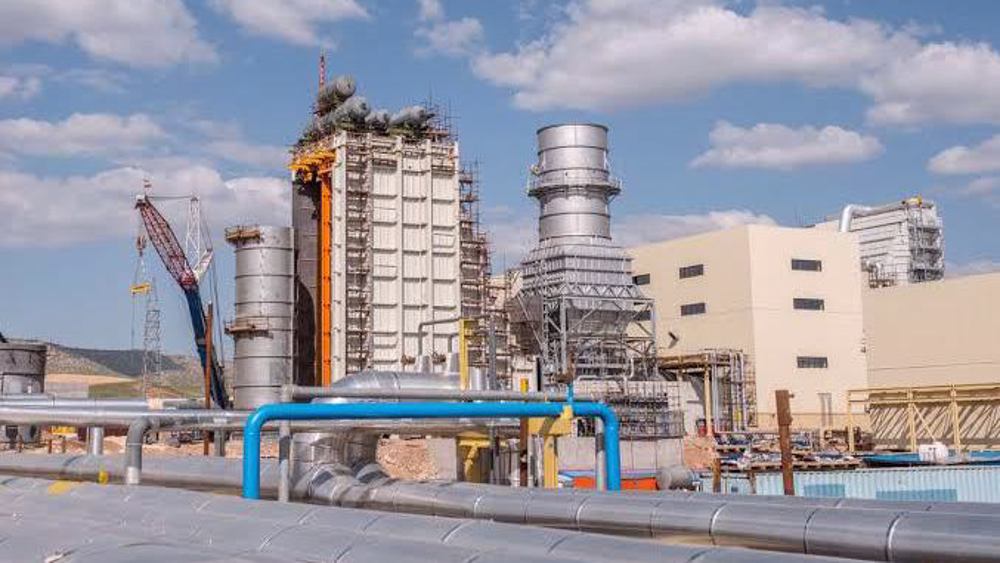
Iran connects 290MW Dalahoo power unit to grid, showcasing elite F-class turbine technology
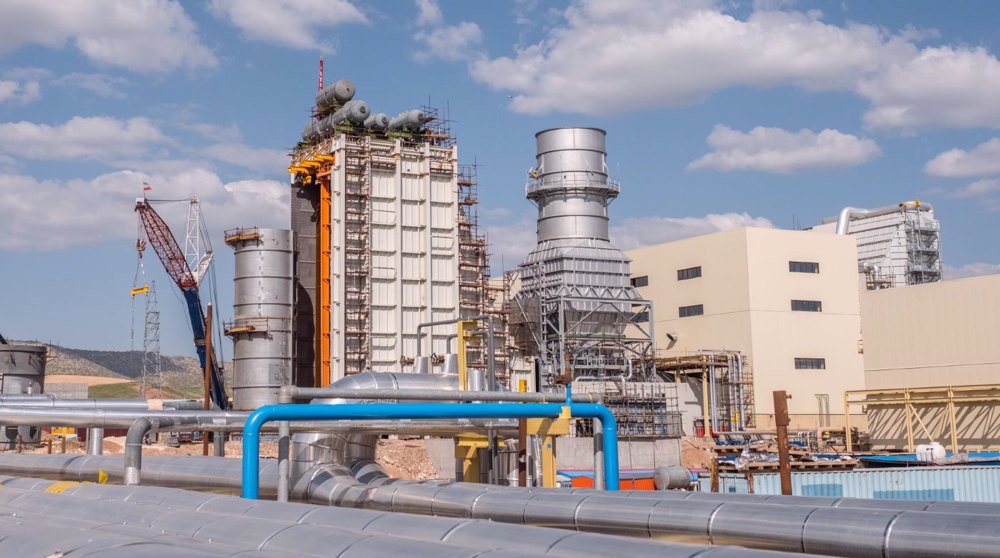
Iran’s breakthrough in power generation from waste heat
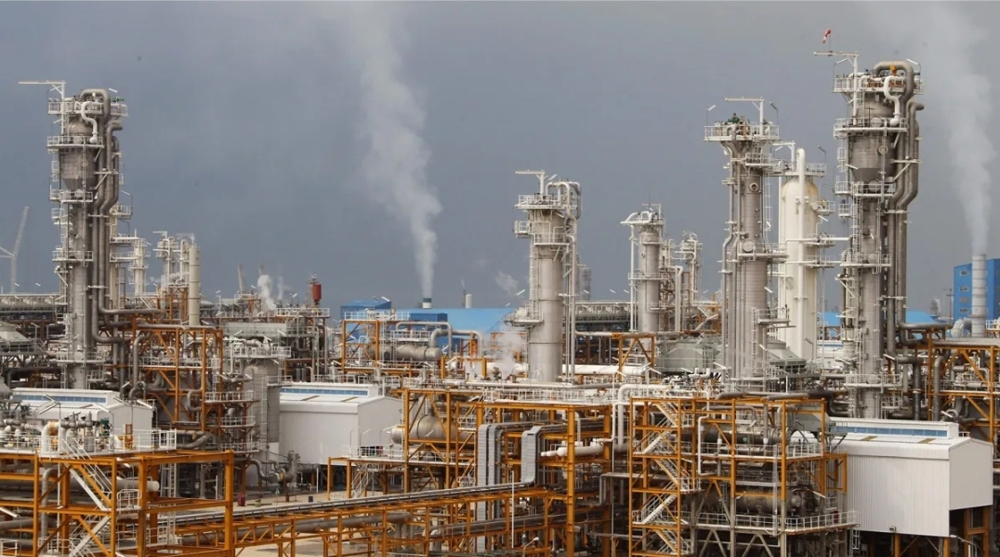
Iran restores 40% of South Pars capacity after terrorist US-Israeli strikes



Iran's vice president warns of 'dark months' for US economy amid war
Lawyers seek to drop US charges against Venezuelan leader on immunity grounds
Abducted Gaza doctor’s testimony exposes appalling abuse in Israeli prisons
‘Polished-up barbarism’: Iran officials condemn US war crime of wedding bombing
VIDEO | Press TV's news headlines
Terrorizing civilians part of ‘cowardly’ US military doctrine: IRGC
Yemeni navy conducting military exercise in anticipation of US-Israeli aggression: Official
Iran Army says US bases in Kuwait, UAE hit, communication systems and hangars targeted


 PressTV NEWSLETTER
now
PressTV NEWSLETTER
now
 This makes it easy to access the Press TV website
