

The United States is releasing 53.3 million barrels of crude oil from its Strategic Petroleum Reserve to energy companies in an attempt to calm global markets shaken by the war against Iran and the disruption of shipping through the Strait of Hormuz.
The emergency supply would be distributed to major energy firms, including Exxon Mobil, Trafigura, and Marathon Petroleum, as part of a wider Department of Energy plan to inject 172 million barrels into the market, according to reports on Monday.
The move comes as fears grow over tightening fuel supplies and continued instability in the Persian Gulf region.
The strategic Strait of Hormuz - a vital route for roughly one-fifth of the world’s oil and gas shipments - has remained effectively closed by Iran since early March, days after the unprovoked war of aggression began on February 28.
The Islamic Republic warned it could target vessels of aggressors or those of their allies crossing the waterway in response to US-Israeli strikes.
The shutdown has caused severe disruptions to global energy flows and triggered sharp price volatility. The international oil benchmark Brent crude surged more than four percent to above $105 a barrel at one point before falling back to around $105 after US President Donald Trump rejected Iran’s latest response to US ceasefire proposals.
Iran had conveyed its reasonable position through Pakistan, which has served as a mediator between the two sides, demanding an immediate end to the war and guarantees against future US-Israeli attacks.
Although prices later eased slightly, investment bank JP Morgan said oil is likely to remain in the “low $100s” for most of the year, “averaging $97 for 2026 as a whole,” and warned that even a reopening of Hormuz would not quickly restore normal supply conditions.
“Crucially, the analysis does not point to a quick normalization once the Strait reopens,” it added, saying the bottleneck would likely shift from the “Strait itself to tanker availability, refinery ramp-ups and wider logistical constraints.”
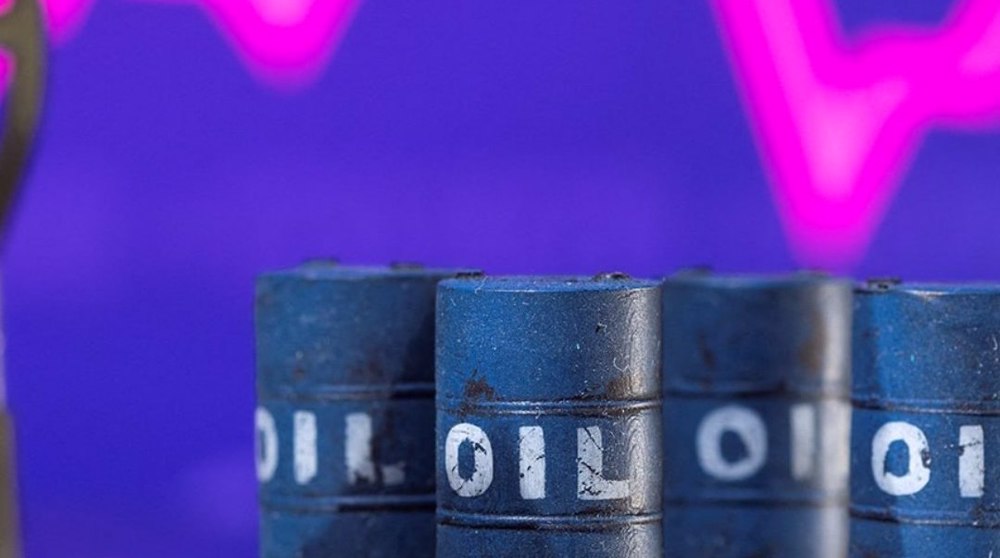
Major energy companies are already benefiting from the price surge. Saudi Arabia’s energy giant Aramco reported a jump of more than 25 percent in quarterly earnings, while BP and Shell also posted sharply higher profits.
Aramco chief Amin Nasser warned that the market shock could continue into 2027, saying the world had suffered an “unprecedented supply loss” of around one billion barrels of oil.
“If the Strait of Hormuz opens today, it will still take months for the market to rebalance, and if its opening is delayed by a few more weeks, then normalization will last into 2027,” he said.
Meanwhile, OPEC production reportedly fell by 830,000 barrels per day in April, adding further pressure to already strained global supplies.
Iran began enforcing much stricter controls last month following Trump’s announcement of a blockade targeting Iranian vessels and ports.
US warships trying to approach Iranian waters in recent weeks, in a desperate attempt to break Iran’s control over the Strait, have been repelled by direct Iranian fire. That has nullified Washington’s promises to restore normal shipping in the Persian Gulf, further tarnishing the US image as a global superpower.
 This makes it easy to access the Press TV website