Iran has no oil on international waters; US claim intended to lower prices: Oil Ministry
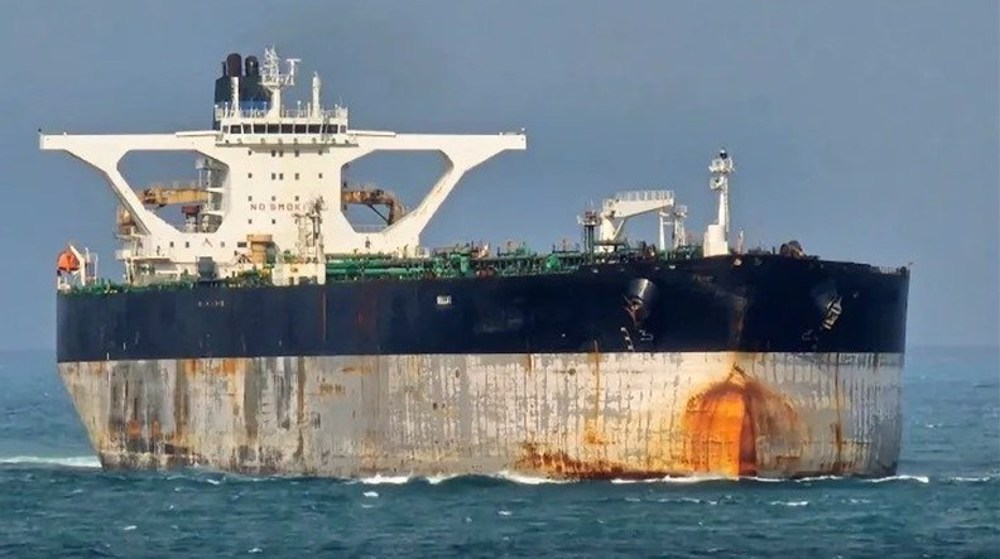
Iran’s Oil Ministry dismisses comments by US Treasury Secretary Scott Besant, who said Washington had temporarily eased sanctions to allow Tehran to sell crude “it has stored on the water.”
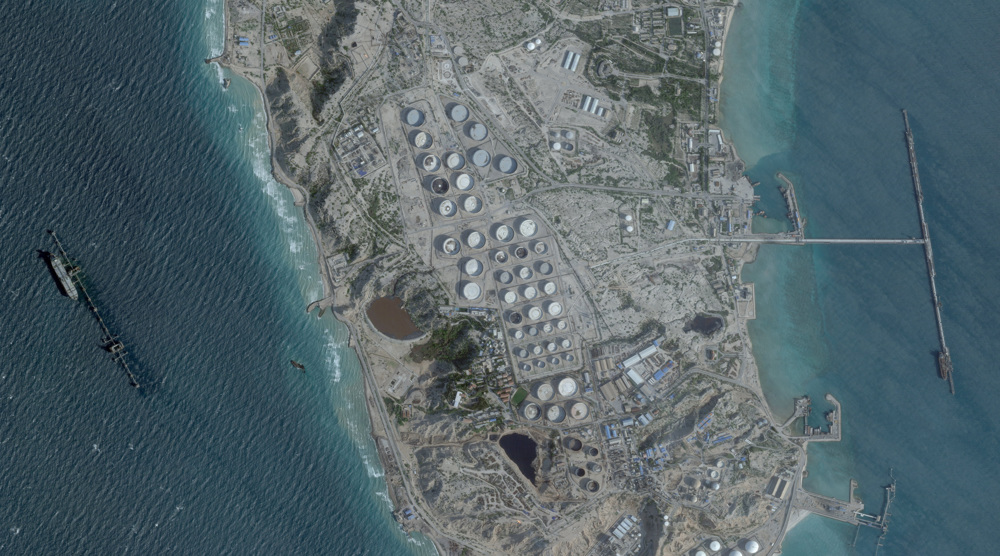
In a statement responding to a “psychological ploy,” the ministry said Iran has no crude oil stored at sea and no excess volumes awaiting release into international markets.
Saman Ghodousi, spokesperson for the ministry, said that “Iran currently has no crude oil left on the water and no surplus intended for other international markets,” adding that the US secretary’s remarks were aimed at encouraging buyers and influencing market sentiment.
The Trump administration waived sanctions on Iranian oil purchases at sea for 30 days to ease surging oil prices driven by the US-Israeli war on Iran.
Bessent said the waiver would bring about 140m barrels of oil to global markets and help relieve pressure on energy supply.
The move reflects White House concern that soaring oil prices – up about 50% to more than $100 a barrel, the highest since 2022 – will hurt US businesses and consumers ahead of the November midterm elections, when Republicans hope to retain control of Congress.

It is the third time the US has temporarily waived sanctions in about two weeks.
It had previously eased sanctions on Russian oil, and on Friday issued a general license allowing the sale of Iranian crude oil and petroleum products loaded on vessels as of Friday to 19 April, according to the license posted to the US treasury website.
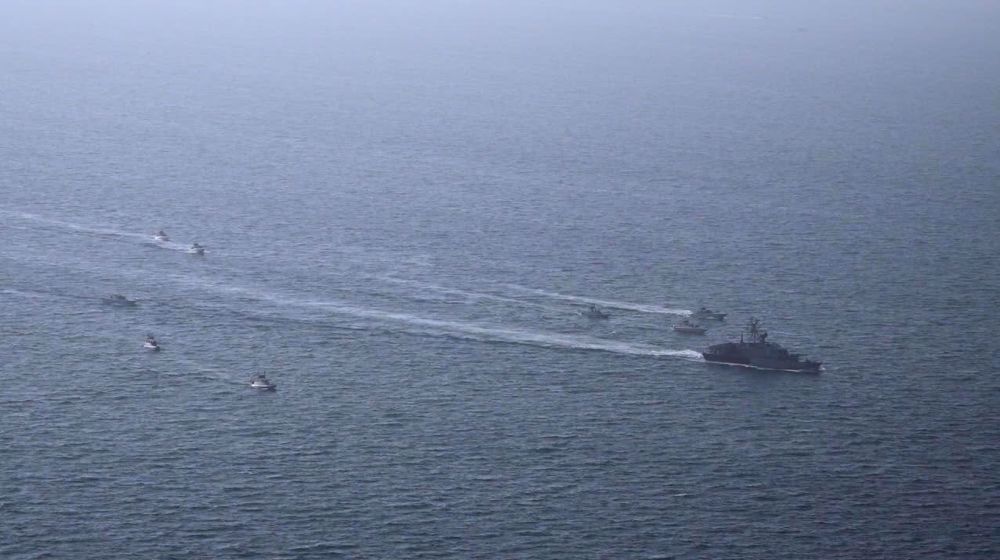
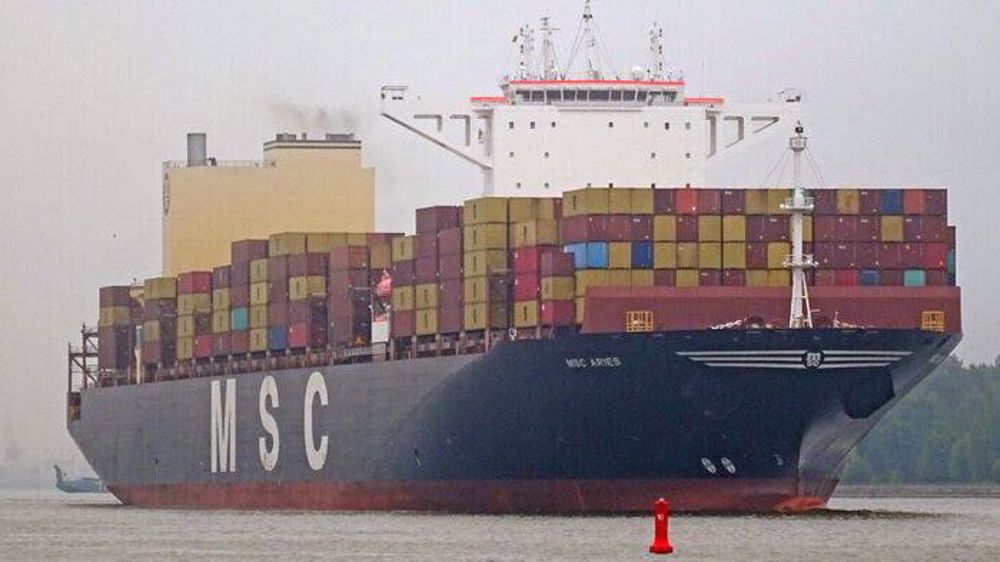
Vital energy infrastructure in Iran and neighboring Persian Gulf states has been attacked, and Iran has effectively closed the strait of Hormuz, a conduit for about 20% of the world’s oil and liquefied natural gas.
Energy analysts, including Brent Erickson, a managing principal at Obsidian Risk Advisors, have said the administration’s efforts to control prices would not have a meaningful impact until the strait is opened to vessels.
The US and Israel started a fresh round of aerial aggression on Iran on February 28, some eight months after they waged a war of aggression against the country.
Iran began to swiftly retaliate by launching barrages of missile and drone attacks on the Israeli-occupied territories as well as on US bases and interests in regional countries.

‘Polished-up barbarism’: Iran officials condemn US war crime of wedding bombing
Terrorizing civilians part of ‘cowardly’ US military doctrine: IRGC
‘Horrific, appalling’: Iran urges Security Council to condemn deadly US attack on wedding ceremony



Denmark deploys troops to Greenland as US mulls force to take Arctic territory
VIDEO | Israel targets Gaza fishermen in latest attacks on fishing sector
IRGC chief: Blood of martyrs in US attack on wedding will not ‘go unanswered’
Iran's vice president warns of 'dark months' for US economy amid war
Lawyers seek to drop US charges against Venezuelan leader on immunity grounds
Abducted Gaza doctor’s testimony exposes appalling abuse in Israeli prisons
‘Polished-up barbarism’: Iran officials condemn US war crime of wedding bombing
VIDEO | Press TV's news headlines


 PressTV NEWSLETTER
now
PressTV NEWSLETTER
now
 This makes it easy to access the Press TV website
