Saudi Arabia cuts oil output by 20% as Iran continues to control traffic in Strait of Hormuz: Report
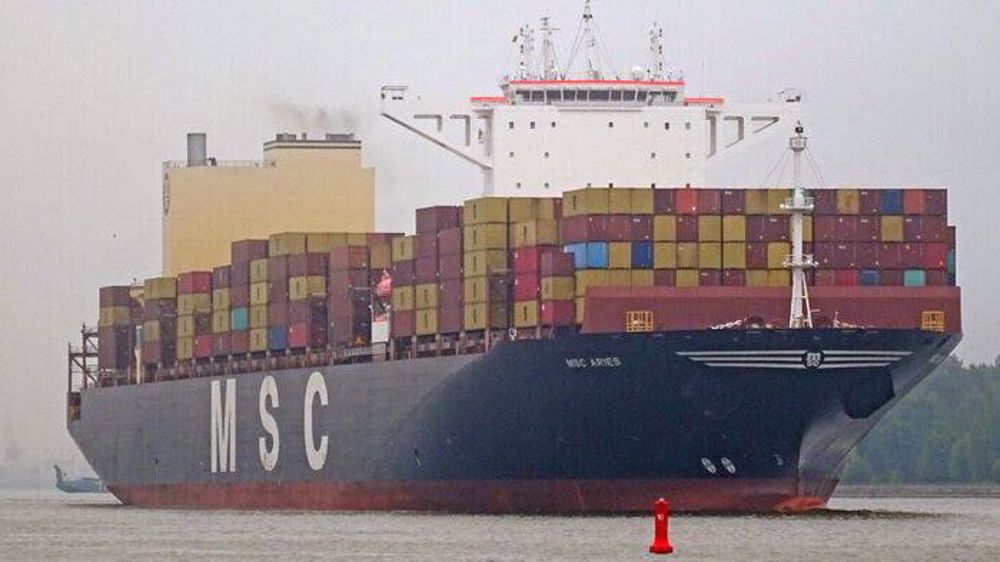
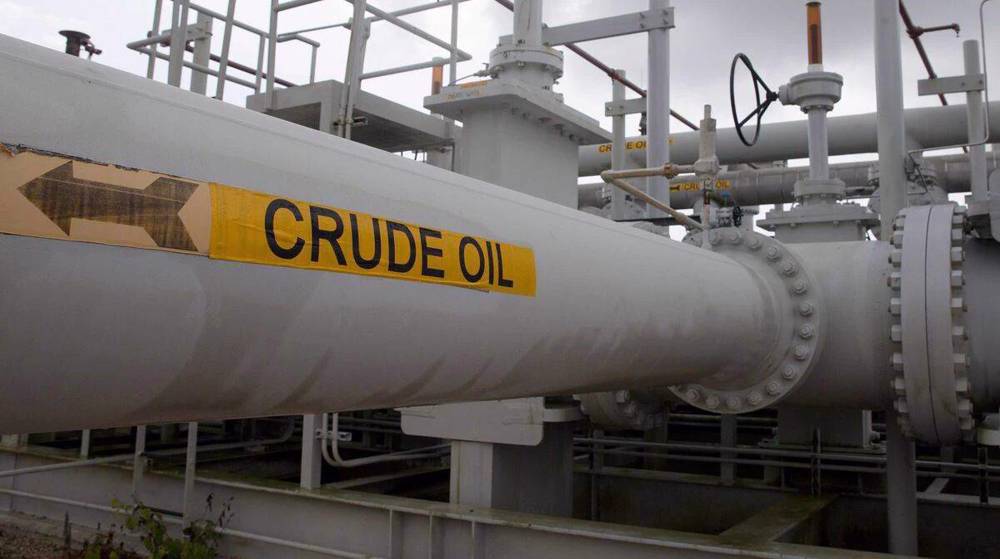
Saudi Arabia has cut oil production by about 2 million barrels per day (bpd), as Iran continues to restrict traffic through the Strait of Hormuz for countries allowing the US to use their soil for aggression against it, says a report.
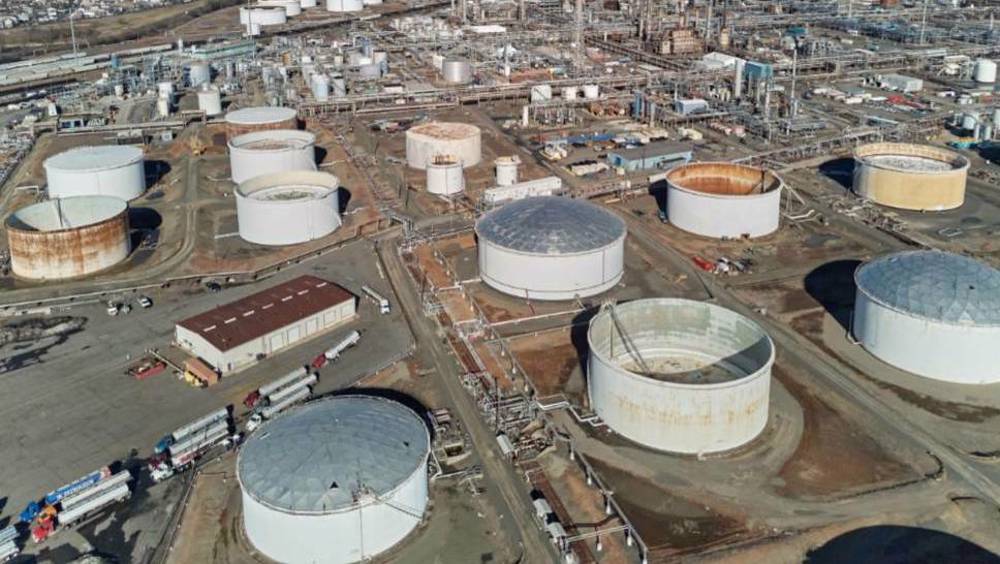
The report published by Reuters on Friday, citing two unnamed sources, revealed that Saudi authorities have halted production at the Safaniya and Zuluf offshore fields, which together produce more than 2 million bpd.
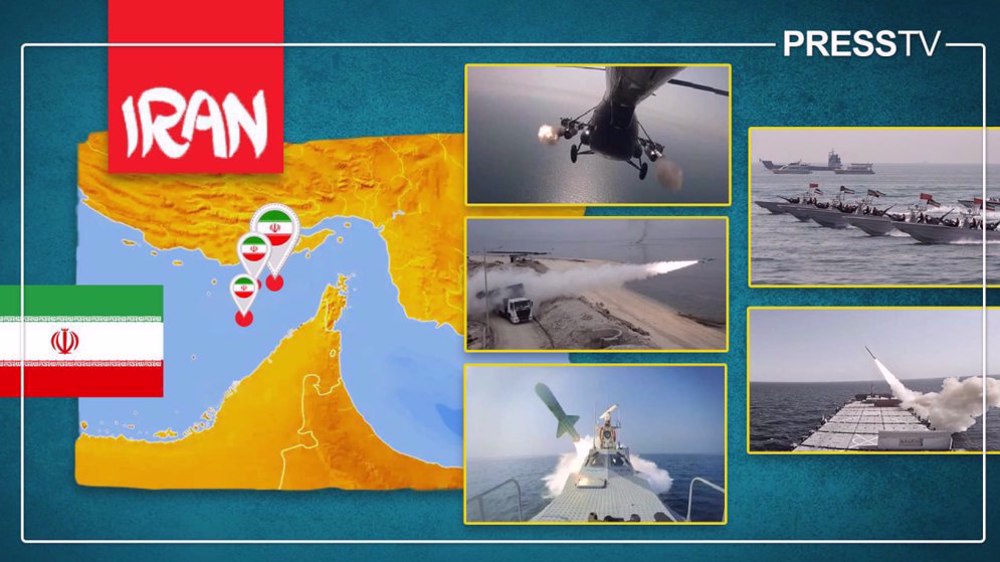
The disruption reflects the wider regional shock to Persian Gulf energy exports since tanker traffic through the Strait of Hormuz, the narrow maritime corridor between Iran and Oman through which 20 to 30 percent of global oil exports pass, has been severely restricted by Iran.
Saudi officials have attempted to redirect shipments through the kingdom’s East-West pipeline to the Red Sea port of Yanbu, but the system is primarily meant to carry lighter crude grades and cannot fully compensate for the lost offshore production.
One of the sources quoted in the report said Saudi output had fallen to around 8 million bpd, while another said production had dropped below that level.
The drop marks a sharp reversal from February’s precautionary production surge, when the kingdom produced 10.882 million bpd and supplied about 10.111 million bpd to global markets.
Oil surges past $100 a barrel as stocks tumble amid US-Israeli aggression against Iranhttps://t.co/yO19F73J53
— Press TV 🔻 (@PressTV) March 9, 2026
The International Energy Agency (IEA) said earlier this week that Persian Gulf producers, including Saudi Arabia, Iraq, Kuwait, Qatar, and the UAE, have collectively cut at least 10 million bpd of production due to restrictions imposed by Iran, a volume equal to roughly 10 percent of global supply.
Energy analysts warn the losses could deepen if tanker traffic through the Strait of Hormuz does not resume soon, with refiners worldwide struggling to secure replacement crude while millions of barrels remain stranded in the Persian Gulf.
Qatar’s Minister of Energy Saad al-Kaabi warned prices could rise even further if the Strait of Hormuz remains closed, adding that “all exporters in the Gulf region will have to call force majeure.”Asian countries, which have felt the energy shock most sharply, have begun imposing fuel-saving measures amid major price fluctuations, as the Strait of Hormuz hosts over 80 percent of Asia’s oil imports.
In response to the disruption caused by the US-Israeli aggression against Iran, the US Department of Energy said 172 million barrels would be released from the Strategic Petroleum Reserve as part of a coordinated IEA plan to inject 400 million barrels of oil into global supply.
Analysts caution the move may offer only temporary relief, with analyst Ipek Ozkardeskaya saying “400 million [barrels] is only a temporary fix,” noting that IEA countries consume roughly 45 million bpd.
As part of its strategic defense against Israeli-US aggression Iran has imposed severe restrictions on any country’s ships that have allied themselves with Washington.
Iranian officials have stated that controlling traffic through the Strait of Hormuz constitutes “legitimate self-defense.”Referring to Article 51 of the Charter of the United Nations, they said that Iran has the legal right to defend itself against “acts of aggression” by the US or the Israeli regime.
Iran Army: US vessels ‘do not dare’ approach Iranian shores
Iran will respond ‘decisively’ to any enemy miscalculation: IRGC
Top security, military brass hail 200 nights of rallies as proof of Iran’s strength



Skyrocketing US inflation
US clears way for F-35 sale to Saudi Arabia amid aggression against Yemen
‘Nightmare for enemies’: Iran launches mass ‘Sacrifice for Iran’ drill
Iran: Unilateral US weaponization of space accelerates arms race
Russia, China veto rejects ‘political abuse’ of UNSC, marks end of ‘unipolar order’: Qalibaf
Iran finds new platform in SCO to develop its rare-earth potential
US senator slams ‘bogus’ spy claims, demands immediate release of Press TV journalist
IRGC Navy strikes Togo-flagged tanker after illegal attempt to transit Strait of Hormuz


 PressTV NEWSLETTER
now
PressTV NEWSLETTER
now
 This makes it easy to access the Press TV website
