US Navy denies oil tanker escorts after energy secretary’s lie sparks confusion
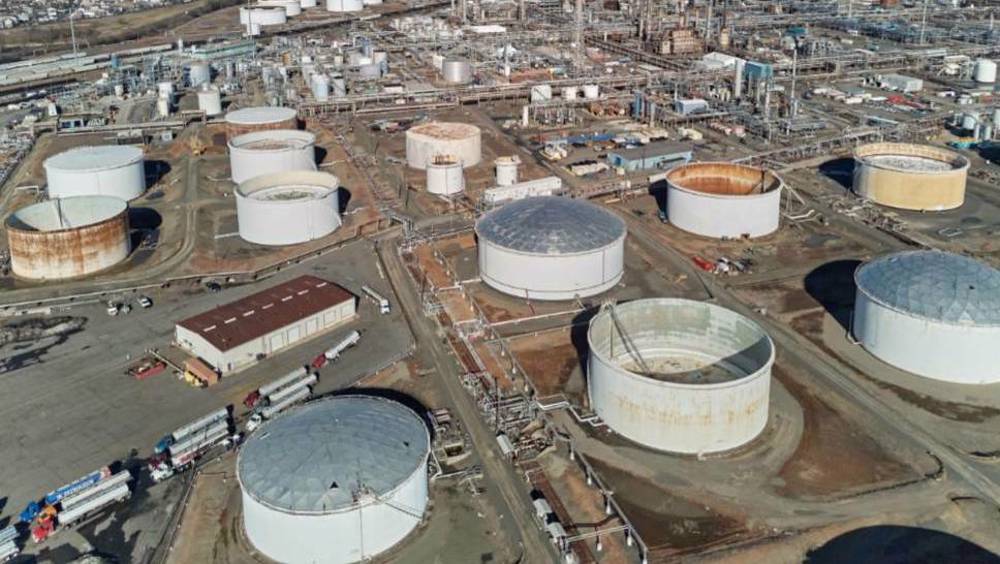
The US Navy has denied near-daily requests from the shipping industry for military escorts through the Strait of Hormuz since the onset of the US-Israeli aggression on Iran.
The Navy's decision is based on concerns over the high risk of attacks in the region, as tensions escalate and the waterway remains increasingly perilous, Reuters reported Wednesday.
This response diverges from earlier statements by President Donald Trump, who had assured that the US military would provide escorts whenever necessary to ensure the free flow of oil through this critical maritime route.
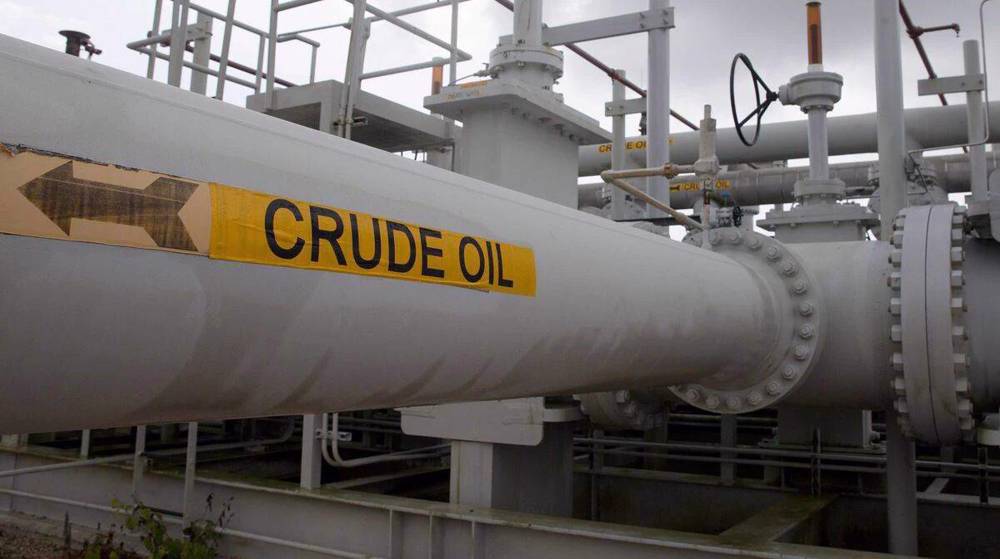
The Strait of Hormuz is one of the most important chokepoints for global oil trade, with around 20% of the world’s oil passing through it.
However, since the war on Iran began more than a week ago, shipping through the strait has effectively come to a halt.
This disruption has already sent oil prices soaring to their highest levels since 2022, exacerbating the impact on global energy markets.
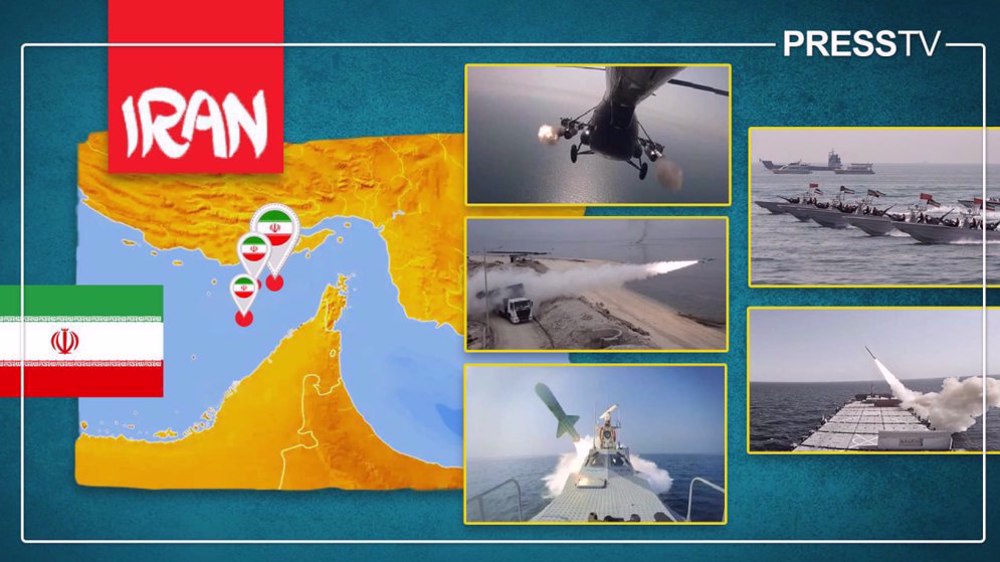
Iran, which controls the northern approach to the strait, has vowed to block any vessels attempting to pass and has already targeted several ships in the area.
In response, the shipping industry has consistently requested naval protection, hoping for US military escorts to ensure their safe passage.
Several sources within the shipping industry have confirmed that the Navy has conveyed that it cannot offer protection, according to Reuters.
Saudi Arabia’s oil giant Aramco, the world’s largest oil exporter, has warned that continued disruption of shipping through the Strait of Hormuz could have "catastrophic consequences" for the global oil market.
Analysts have raised doubts about the feasibility of securing the strait, even with the help of a coalition.
As Reuters put it, no country or coalition has the capacity to secure the area entirely, given Iran’s tactical advantages in the region.
On Tuesday, US Energy Secretary Chris Wright caused confusion by posting a claim on social media that the US military had escorted an oil tanker through the strait.
The post was quickly deleted after the White House denied the statement.
Press Secretary Karoline Leavitt clarified that no such escort had occurred.The confusion over the Energy Secretary's claim further highlighted the complex and sensitive nature of the US military’s involvement in the region.
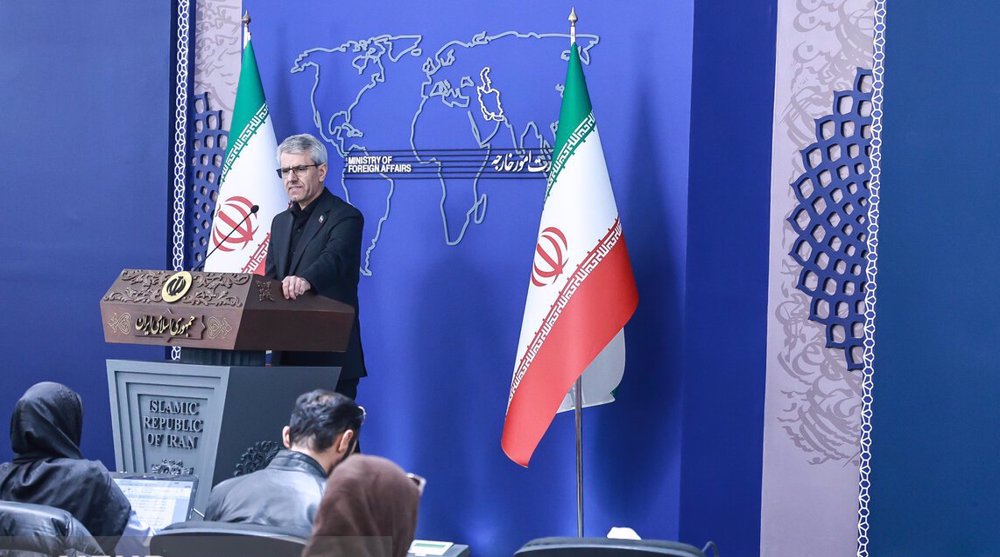
Iran has criticized the US government’s handling of the situation, saying officials are spreading "fake news" to manipulate global oil markets.
Iranian Foreign Minister Abbas Araghchi stated that US officials were trying to rally international support for their actions by falsely claiming military involvement.
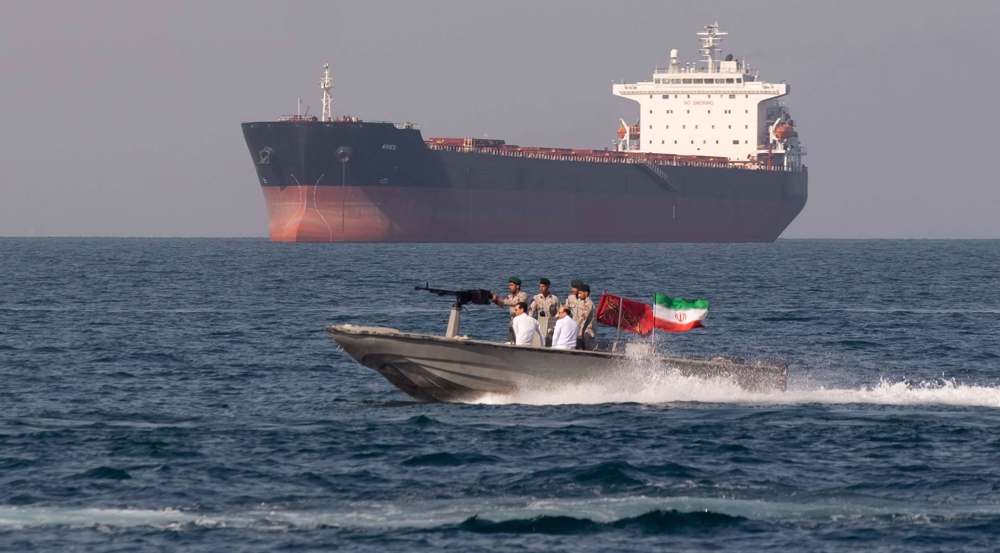
The inability to move oil through the Strait of Hormuz has had a significant impact on global oil prices, which have already seen sharp increases.
According to the American Automobile Association (AAA), US gasoline prices have surged to $3.54 per gallon, up nearly 43 cents from the previous week.
The rising fuel costs have fueled public discontent, especially in the US, where the war on Iran is deeply unpopular. Polls show that a majority of Americans oppose military action against Iran, with some surveys revealing disapproval ratings as high as 60%.
Trump has shown signs of panic over the rising oil prices. As fuel costs spiral upward, the administration is coming under pressure from the public and the media.
CNN’s Wolf Blitzer reported that the Trump administration is scrambling to address the issue, hinting at the possibility of releasing oil from the Strategic Petroleum Reserve (SPR).
However, experts have noted that even a significant release of oil from the SPR is unlikely to have a major immediate impact on gas prices.
Historical data shows that even large releases of oil, like the 180 million barrels deployed by President Joe Biden in 2022, resulted in only modest reductions in prices. The slow decline in oil prices, a phenomenon often referred to as "rockets and feathers," means that it could take months for prices to fall even if more oil is released.
The global energy market is also grappling with the reality that tapping the SPR is a one-time option. Once reserves are depleted, they cannot be easily replenished, leaving future options limited.
Furthermore, countries like Kuwait, Iraq, and the UAE are shutting down oil wells due to storage tank overflow, with the possibility that these wells may not be able to resume production once they’ve been closed.
This creates the potential for a severe supply gap that could ripple through the global economy.If the war on Iran continues, experts warn that it could take months to restore oil shipments through the strait.
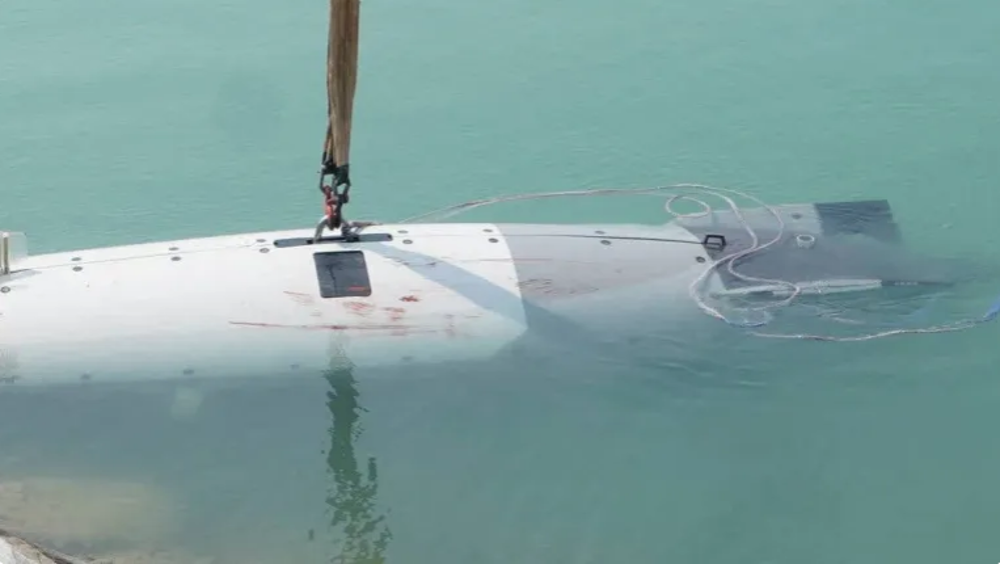
Iran to begin reverse-engineering captured US underwater drone: IRGC
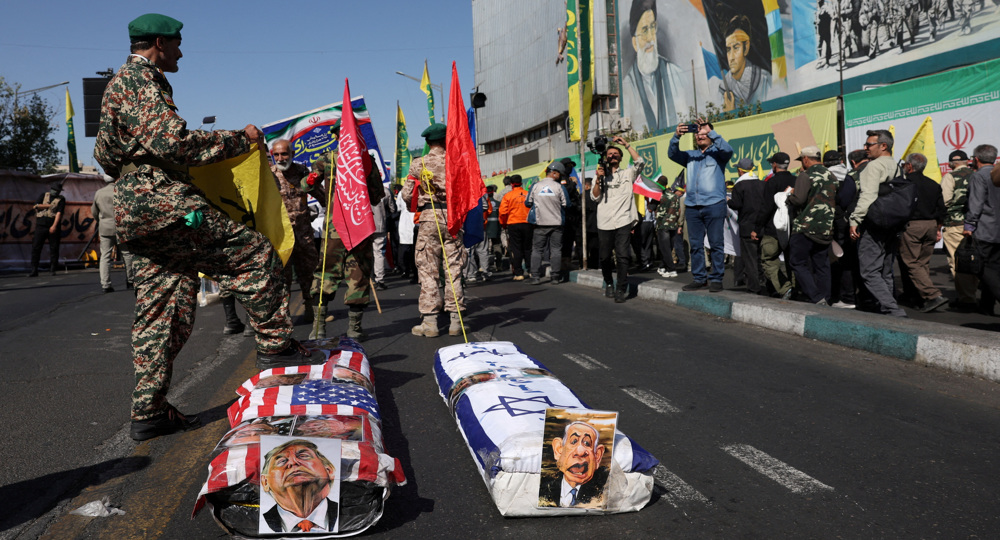
US, Israel must accept 'a region free of their evil, criminal presence': IRGC

US lawmaker admits American people footing bill for Trump’s failed aggression against Iran



2026 Asian Games: Iran’s karate practitioners win one gold, three silver medals
VIDEO | Record fuel prices in France spark fears of new 'Yellow Vest' uprising
VIDEO | US diesel gas hits all-time record, could cost Trump Congress
VIDEO | Escalating Pakistan-Afghanistan cross-border tensions: Can diplomacy outpace military friction?
Ansarullah: Yemeni armed forces fighting ‘decisive battle’ against Saudi Arabia
Pezeshkian vows to firmly defend Iran’s positions, convey its strength at UN
Iran to begin reverse-engineering captured US underwater drone: IRGC
US, Israel must accept 'a region free of their evil, criminal presence': IRGC


 PressTV NEWSLETTER
now
PressTV NEWSLETTER
now
 This makes it easy to access the Press TV website
