Operational concerns delayed US-Israeli aggression against Iran for a week: Report
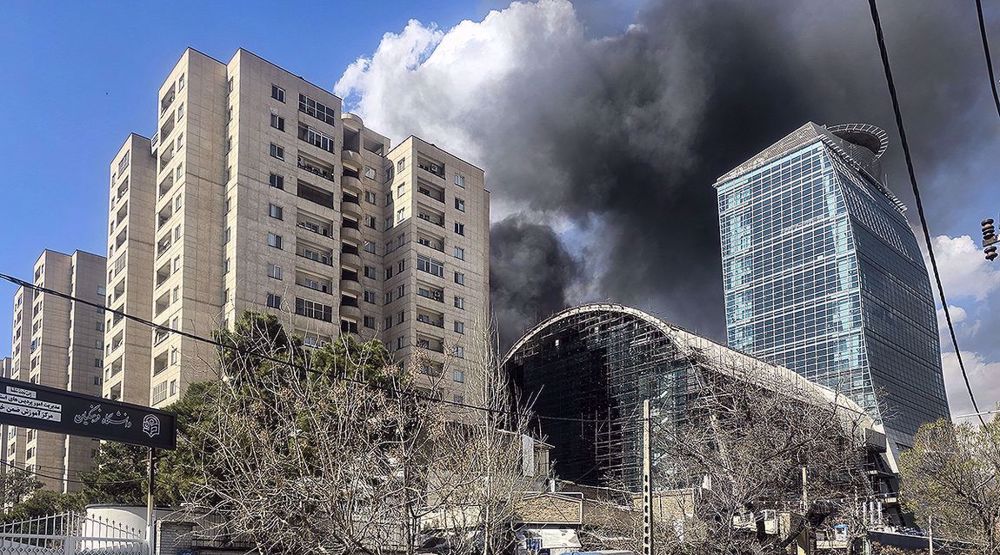
The United States and Israel had originally planned to launch their military strike on Iran about a week earlier than it eventually took place, but the aggression was delayed due to a mix of operational concerns, intelligence assessments and diplomatic developments, according to a report.
The Axios news outlet, citing several US officials, reported on Monday that military planners from the US and Israel had begun preparing for the aggression soon after a second round of US-Iran indirect negotiation in Geneva, Switzerland, ended on February 17.
However, the final authorization never came because several factors combined to push the timeline back.
Senior US and Israeli officials said one immediate issue involved weather conditions in the region as bad weather complicated the operational planning for the opening strike.
Another Israeli official said the delay was also driven by the need for closer coordination between the US military and the Israeli armed forces.
Meanwhile, a Trump administration official described the situation as fluid and uncertain in the days leading up to the aggression.
“The last two weeks have been very back and forth,” the official said as some speculation had circulated inside government circles about the reasons behind the delay.
Addressing that speculation, the same official said that “some people say it was about the moon or the weather or whatever. But that is [nonsense].”
Still, the official acknowledged that weather conditions did play a role. “There was a weather thing,” he said, adding that “there is no question. And there was a weather issue more in the mind of the Israelis.”
The one-week delay allowed space for an additional round of nuclear indirect negotiations between US and Iran in Geneva.
According to the report, there are differing views among officials about whether the negotiations were genuine or largely a tactical move to buy time until the new aggression date.
The third round of negotiations helped maintain the gesture that diplomacy remained President Donald Trump’s preferred path to reduce suspicions about the ulterior motive behind the US engaging in talks, the report concluded.
On Saturday, the US and Israeli armed forces launched a series of strikes across Iran which resulted in the martyrdom of Leader of the Islamic Revolution Ayatollah Seyyed Ali Khamenei.
Several senior Iranian commanders have also been martyred in the aggression.
According to Iran’s Red Crescent Society, a total of 555 people have been killed in the joint aggression by the US and the Israeli regime so far.
Iran has swiftly and decisively retaliated against the strikes by launching barrages of missile and drones against Israeli-occupied territories as well as on US bases in region.
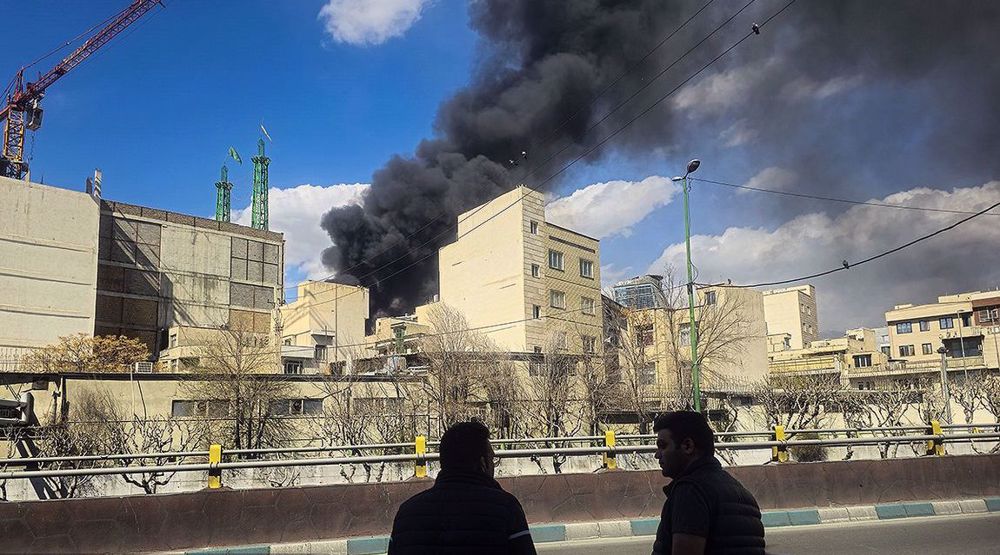
Iran posed no imminent threat to US: Pentagon tells Congress
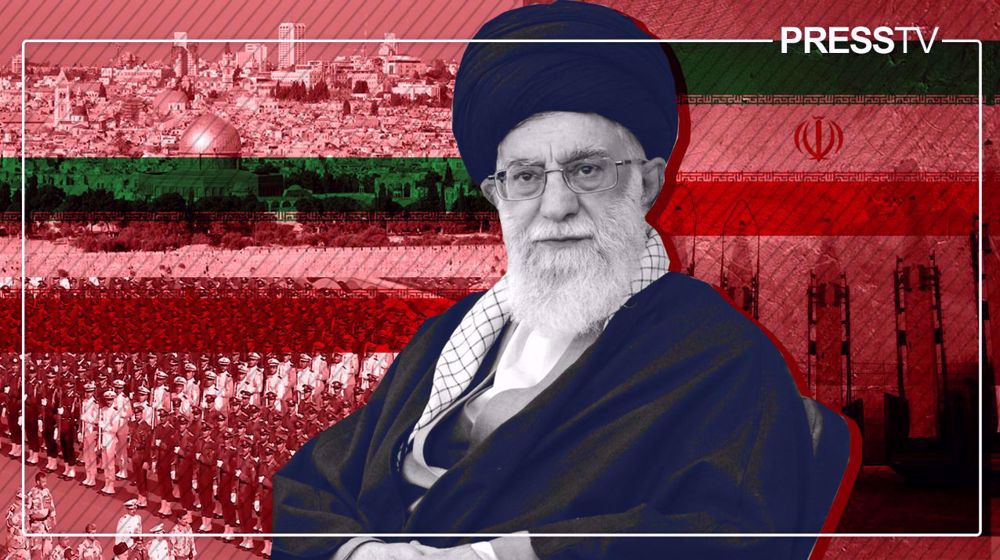
Despite Leader's martyrdom, Islamic Republic firmly in control and punishing the enemy
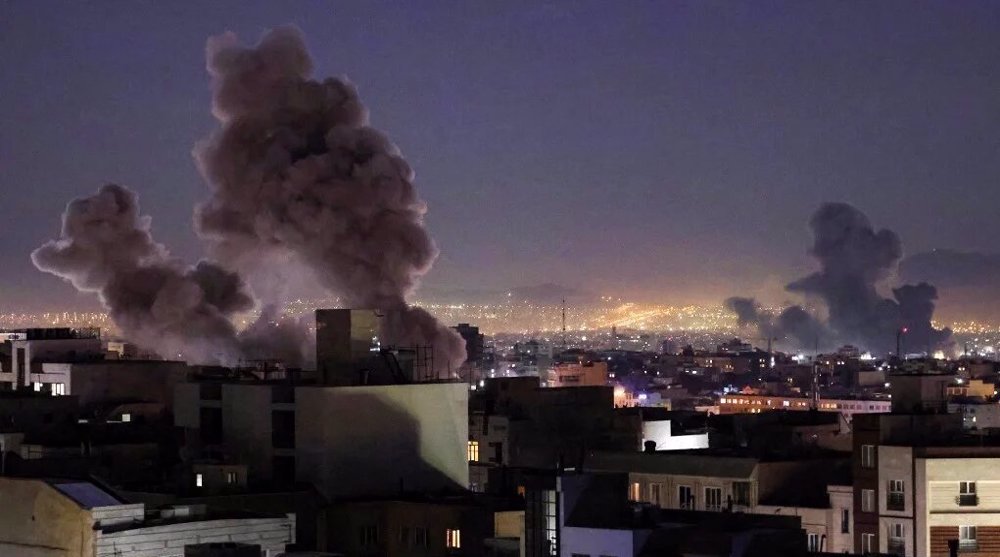
At least 31 killed in Israeli aggression on southern Lebanon after Hezbollah strikes



Iran Armed Forces shoot down US F-15 fighter jet near Kuwait border
IRGC, Army launch fresh waves of missile strikes against Israeli, US targets
Red Crescent Society: 555 people killed across Iran in US-Israeli onslaughts
Operational concerns delayed US-Israeli aggression against Iran for a week: Report
Iran slams Israeli attacks on Lebanon, warn UNSC’s inaction to embolden regime
Iran says has ‘no choice’ but to fight back, holds no enmity toward American people
Bahraini police assaults crowds mourning loss of Ayatollah Khamenei
Iran posed no imminent threat to US: Pentagon tells Congress


 PressTV NEWSLETTER
now
PressTV NEWSLETTER
now

 This makes it easy to access the Press TV website
