US has come to realize there is no ‘military solution’ to Iran’s nuclear issue: Ex-diplomat
By Mohammad Ali Haqshenas
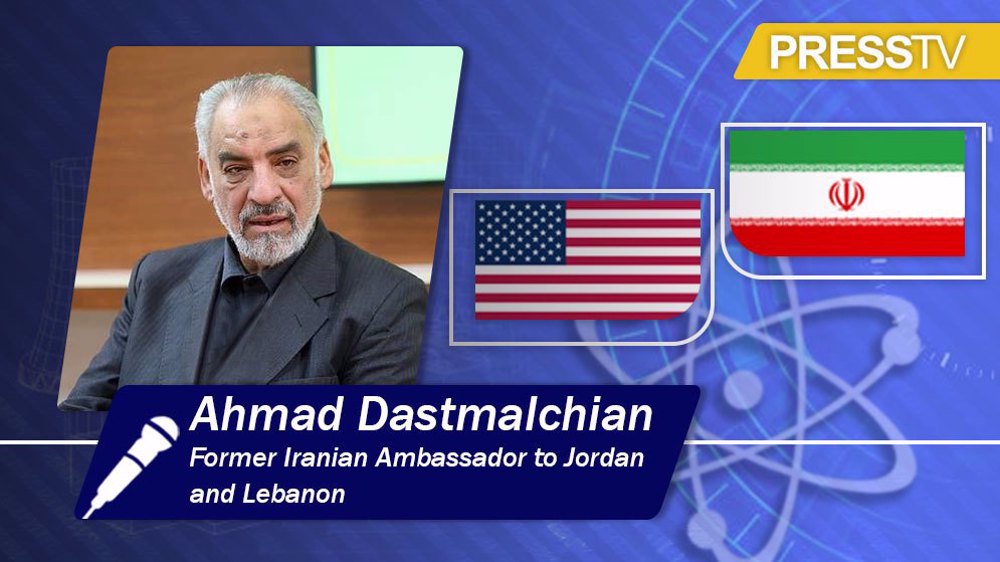
Washington has been forced to recognize that pressure and military threats cannot resolve the nuclear issue with Iran, leaving diplomacy — focused strictly on the nuclear file — as the only viable path forward, says a former Iranian diplomat.
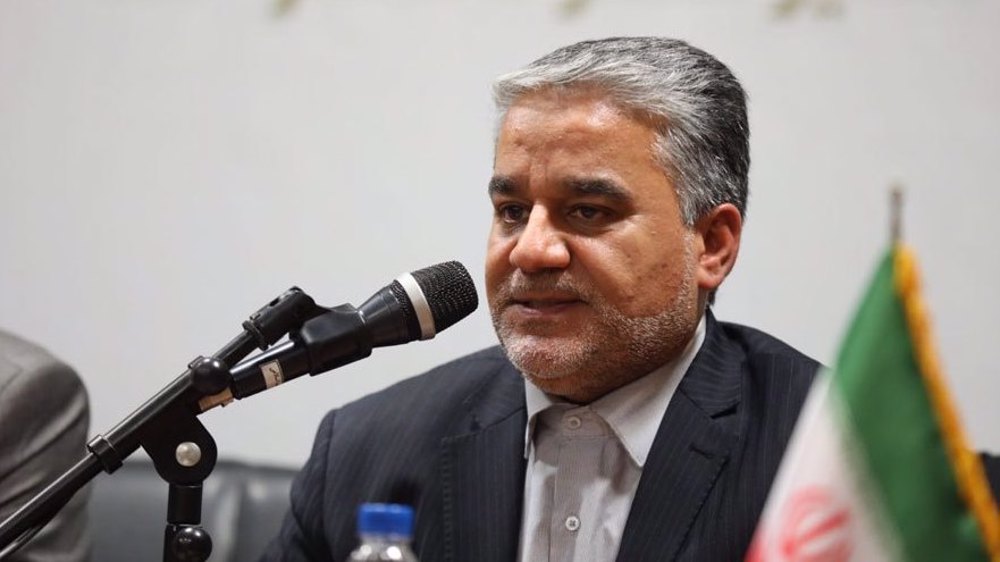
In an interview with the Press TV website, Ahmad Dastmalchian, former Iranian ambassador to Jordan and Lebanon, said Iran’s nuclear program has "no military solution," and it has already been "proven to the Americans.”
The new phase of indirect talks between Tehran and Washington began last Friday in Muscat, mediated by Omani Foreign Minister Badr Al Busaidi.
Iranian Foreign Minister Abbas Araghchi described it as a “good start,” stressing that the talks are focused solely on the nuclear file and must proceed “free from tension and threats.”
For Tehran, the framework is clear. An agreement is achievable if the US gives up its excessive demands and sticks to the nuclear issues that have been the bone of contention.
“Iran does not have nuclear weapons production in its defense doctrine,” Dastmalchian said. “The Islamic Republic is ready to provide the necessary guarantees that must be given accordingly.”
He referred to statements by US President Donald Trump and Vice President J.D. Vance, emphasizing that Iran must not obtain nuclear weapons. “Perhaps this is a common point,” he noted.
Yet the former diplomat and foreign affairs analyst stated that complications arise not from the nuclear file itself, but from Washington’s “unreasonable demands.”
“Enrichment is an undeniable right that the Islamic Republic of Iran has insisted on from the beginning, because it is a science and knowledge,” Dastmalchian said.
Nuclear expertise, he added, extends beyond energy into multiple civilian sectors. From Tehran’s perspective, recognizing that right is a prerequisite for any durable agreement.
▶️ EXPLAINER: Iran–US diplomacy continues alongside expanded US military activity in West Asia.#Explainer
— Press TV 🔻 (@PressTV) February 11, 2026
Follow: https://t.co/GKZwI4ehqL pic.twitter.com/SdTxfknGJD
Iran’s main demand in Muscat remains the effective and verifiable lifting of economic sanctions. Officials in Tehran have repeatedly stated that any agreement without tangible economic benefit would be meaningless in practice.
The former diplomat said the Americans, in this latest round, have adjusted their approach.
“It seems that the Americans in this new round, based on existing realities, have accepted that negotiations should take place within the framework of the nuclear issue,” he said.
Dastmalchian believes “more serious” talks could follow if that shift holds.
“It seems that after examining the American proposals, the two sides will begin more real and serious negotiations to reach a common point on enrichment and non-proliferation,” he said.
“The fact that the Americans were willing to negotiate is an achievement for Iran."
That assessment comes against a turbulent backdrop. Prior to the mid-June US-Israeli aggression on Iran and its nuclear facilities, five rounds of talks had already taken place over a potential replacement for the 2015 nuclear deal. The Muscat track now unfolds amid lingering mistrust.
He noted that some in Iran have described the earlier “Muscat negotiations” as a “deception operation,” referring to reports that the talks were a cover for military aggression against Iran.
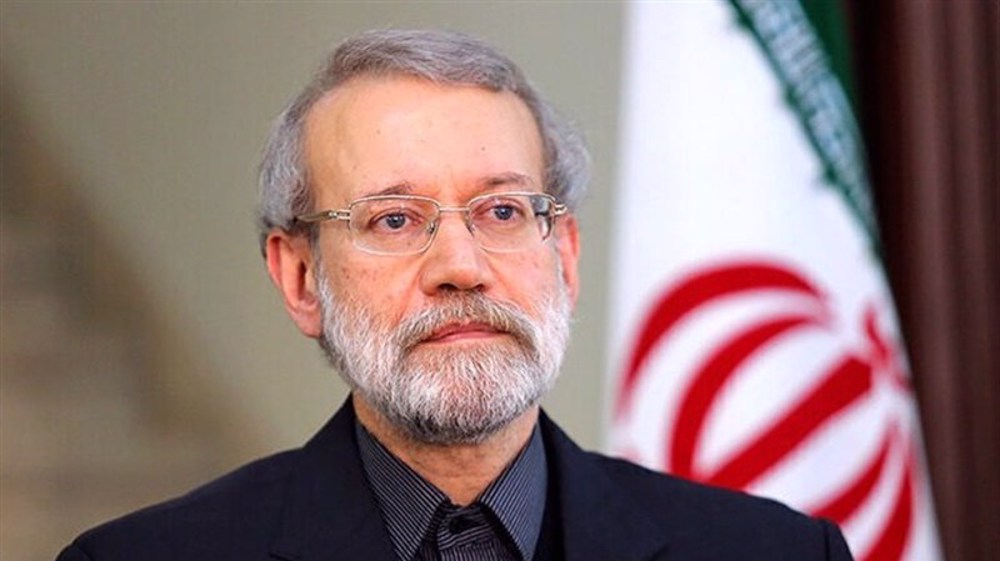
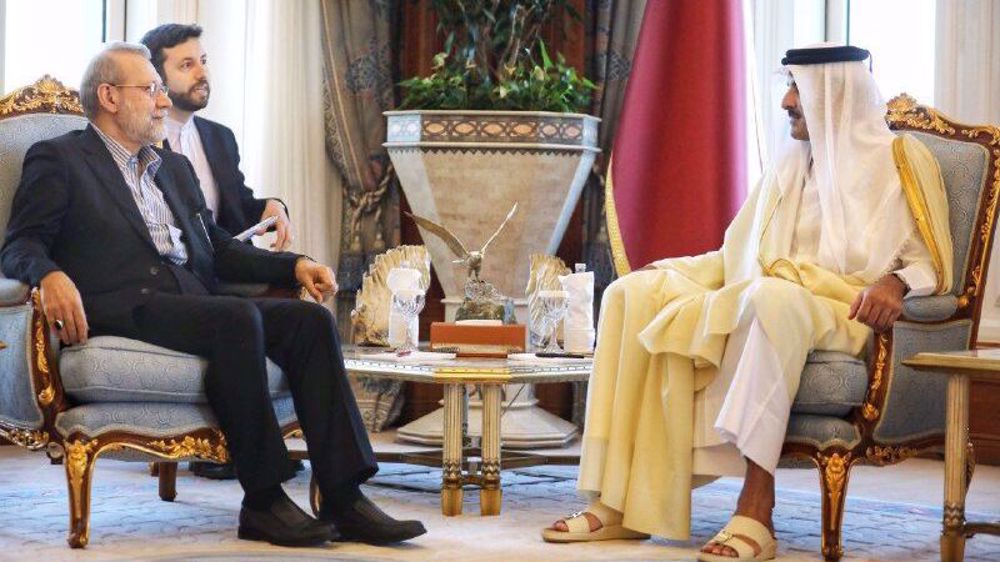
Meanwhile, Dastmalchian noted that current diplomatic engagement — including Secretary of Supreme National Security Council (SNSC) Ali Larijani’s recent visits to Oman and Qatar and the exchange of messages — has created “a new arrangement” in the talks.
“Larijani’s visit to Oman and Qatar shows that Iran is serious in the nuclear negotiations,” he stated.
At the same time, the former diplomat underscored Tehran’s dual-track posture.
“The Islamic Republic of Iran, with goodwill and prudence, has full coordination between the field and diplomacy,” he says. “Our military brothers are fully prepared for any mischief by the United States.”
Iran says it pursues a result-oriented approach in negotiations with the US, calling on Washington to act independently of the Israeli regime.
— Press TV 🔻 (@PressTV) February 10, 2026
Follow https://t.co/B3zXG73Jym pic.twitter.com/A7MLXkQxag
He was blunt about the US military buildup near Iran during the negotiations, seeing them less as preparation for war than as leverage.
“The American military arrangement in the region can be part of the diplomatic process and bargaining,” he said.
Still, Dastmalchian stressed that Washington’s broader approach reflects flawed behavioral patterns, particularly under Trump.
“America, based on wrong behavioral patterns that the Trump administration has drawn in its mind based on bullying and coercion, thinks that by using force, violence, and interference in the internal affairs of other countries, it can advance its aggressive policies according to a single model,” he said.
He pointed to Venezuela as an example, noting that Washington first imposed a naval blockade and then “openly kidnapped that country’s president and his wife in violation of all international laws.”
At first, US policymakers believed they could replicate a similar “combined psychological and military war” against Iran and hence deployed naval assets near Iranian waters, Dastmalchian noted, noting that their calculation had misfired.
Following a strong response from the Leader of the Islamic Revolution and senior political and military officials, Washington appeared to reconsider, he said, adding that regional actors also pushed back.
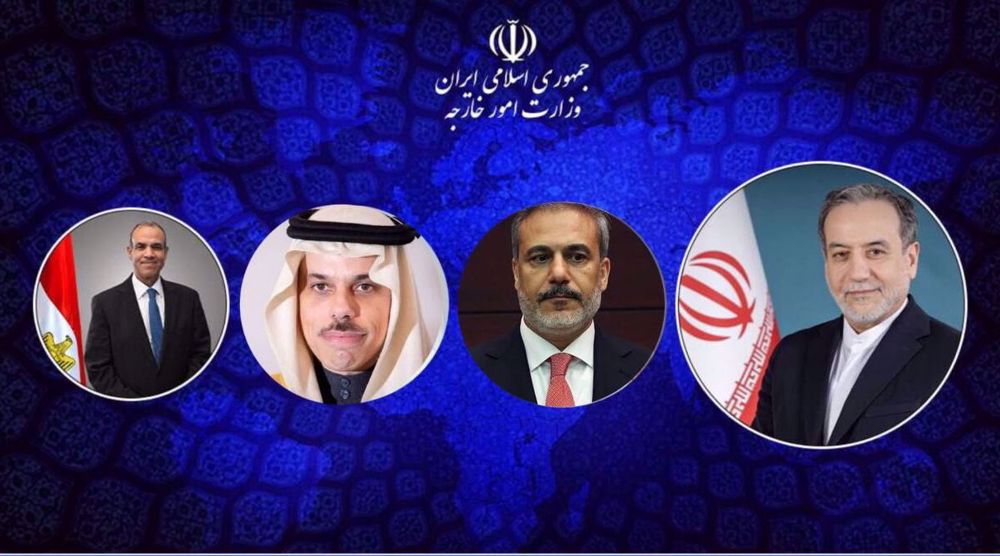
“Countries in the region such as Turkey, Egypt, Saudi Arabia, Qatar, and Oman were strongly opposed to instability and insecurity in the Persian Gulf,” said Dastmalchian, who has served as Iran’s envoy to Lebanon, Jordan, and Saudi Arabia.
Tehran, he added, has warned that “any bullet fired by the United States will, unlike before, trigger a full-scale and regional war.” Such a war, he noted, would carry high reputational, political, and military costs for Washington.
Citing a US official, Reuters reported that the second round of Iran–US talks is scheduled for Tuesday in Geneva, with American delegates including Witkoff and Jared Kushner set to meet Iranian officials in the presence of Omani mediators.
— Press TV 🔻 (@PressTV) February 14, 2026
Follow: https://t.co/B3zXG73Jym pic.twitter.com/rf7qok4ROU
He also reminded one of the probable consequences of a regional war. “If a war occurs in the region, the Strait of Hormuz will be closed.”
That prospect, Dastmalchian said, explains why regional states favor diplomacy. “The countries of the region, for their own interests, are trying to prevent war.”
He further noted that Iran showed “restraint” during the 12-day June war, which was triggered by the unprovoked and illegal Israeli-American aggression against the Islamic Republic.
At a strategic level, he views US policy toward Iran as partially embedded within a broader effort to contain China. In that sense, pressure on Tehran is not solely about the nuclear file, but about larger geopolitical calculations.
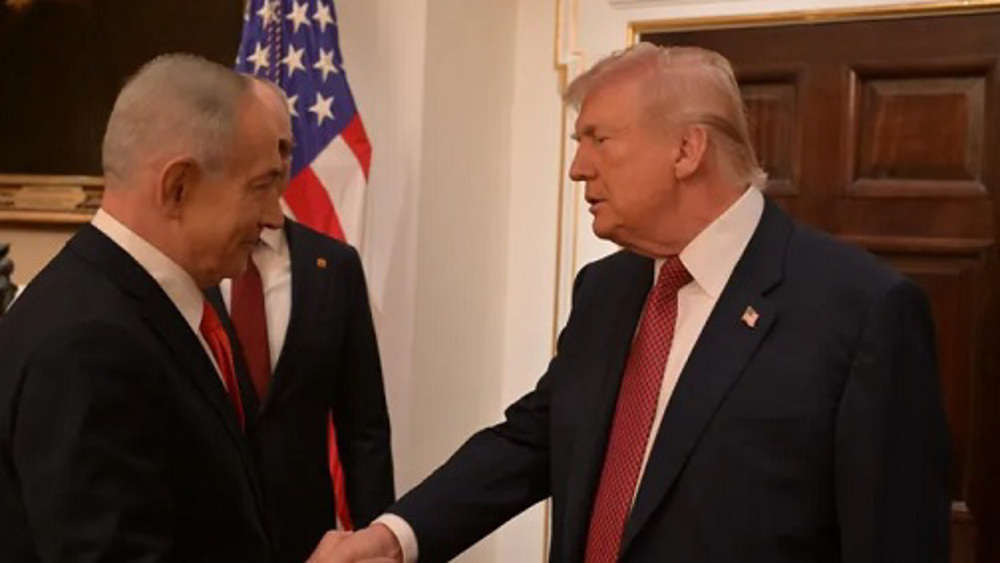
Israeli Prime Minister Benjamin Netanyahu’s recent visit to Washington, he noted, failed to shift US decision-making vis-à-vis Iran.
According to him, Netanyahu sought to exert serious influence over the White House and President Trump, but both Trump and his core team opposed “any new warmongering in the region.”
Netanyahu, he added, left without achievements and without even addressing the press at the White House. Taken together, he sees a moment of recalibration.
Washington has, in his assessment, been forced to accept that coercion alone cannot bend Tehran’s nuclear policy. At the same time, Iran signals readiness to provide assurances — provided its rights are recognized and sanctions relief is real.
The veteran diplomat reiterated that there is no military solution. Whether that recognition translates into a durable agreement, he suggested, will depend less on Tehran’s posture than on Washington’s willingness to confine the talks to the nuclear issue and abandon extraneous demands.
For now, Dastmalchian said, the path forward is clear. “The ball is in America’s court.”

BRICS paving way for alternative world order, not a war machine against West: Analyst
Iran’s strategic location, energy resources position it as a key player in BRICS alliance: Analyst
Yemeni military advance along Red Sea alters balance of power amid Saudi siege, aggression: Analyst



VIDEO | Israel’s UN isolation: Netanyahu faces criticism
Blood on their hands: NATO chief’s confession proves Europe enabled US-Israeli war against Iran
Stories Beyond Numbers: Mahya Nami, six-year-old girl killed before she could return to school
Iraq in direct talks with US to resume Iran flights, gain airports exemptions: Officials
Pezeshkian: Iran ready for talks with US but rejects ‘bullying and coercion’
Iran’s underground defense infrastructure frustrates enemy calculations: Defense Ministry
Pentagon quietly adds dozens to tally of troops wounded amid war on Iran
VIDEO | Press TV's news headlines


 PressTV NEWSLETTER
now
PressTV NEWSLETTER
now
 This makes it easy to access the Press TV website
