US intel. chief blocked report on ‘call between foreign intelligence agent and Trump associate': Whistleblower
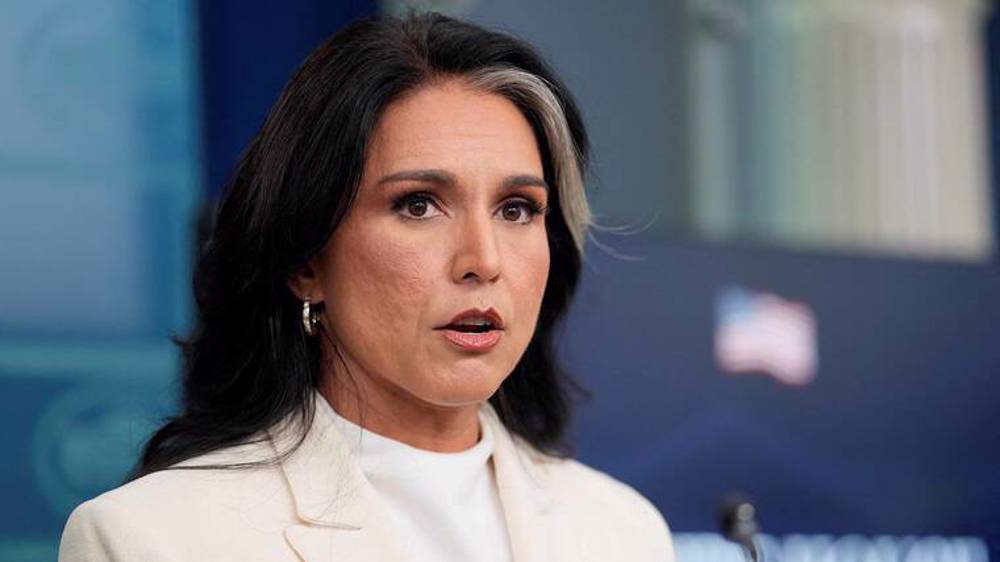
A whistleblower says the United States national intelligence chief blocked routine processing of a report exposing a call between an individual linked to foreign intelligence and a person close to Donald Trump.
Andrew Bakaj, the whistleblower’s attorney, said the “highly sensitive” intelligence concerning the call that took place “last spring” was reported to the Director of National Intelligence, Tulsi Gabbard, The Guardian wrote on Saturday.
Instead of allowing the NSA to circulate the report through routine channels, however, Bakaj said, Gabbard took a paper copy directly to White House chief of staff Susie Wiles.
The attorney said that one day after meeting Wiles, Gabbard instructed the NSA not to publish the intelligence report and ordered officials to rather send the classified material directly to her office.
The Office of the Director of National Intelligence (ODNI), though, denied the account.
“This is yet another attempt to distract from the fact that both a Biden-era and Trump-appointed Intelligence Community Inspector General already found the allegations against DNI Gabbard baseless,” it claimed.
Whistleblower complaint and review
Bakaj said the whistleblower contacted the intelligence community inspector general on April 17, saying that Gabbard had blocked highly classified intelligence from routine dissemination. A formal complaint was filed on May 21.
The intelligence report remained restricted for eight months, including after the whistleblower sought disclosure to congressional intelligence committees. Acting Inspector General Tamara A Johnson dismissed the complaint following a 14-day review, writing in a June 6 letter that “the Inspector General could not determine if the allegations appear credible.”
The letter stated the whistleblower could raise the matter with Congress only after receiving guidance from the DNI due to the sensitivity of the information.
Concerns over inspector general independence
Lawmakers have raised concerns about the independence of the Inspector General’s Office after Gabbard assigned senior adviser Dennis Kirk to work there on May 9, two weeks after the whistleblower first contacted the hotline.
Gabbard’s office publicly acknowledged the complaint for the first time in a letter to lawmakers posted on the ODNI’s X account, one day after The Wall Street Journal reported on a classified brief. The letter alleged the inspector general had not informed Gabbard of any obligation to transmit the complaint to Congress.
Bakaj said the ODNI cited several reasons for delays in intelligence sharing, including the complaint’s top-secret classification, a fall government shutdown, and what the office described as the inspector general’s failure to notify Gabbard of reporting requirements.
Two attorneys and two former intelligence officials, who reviewed details of the matter, said they identified procedural anomalies in how the intelligence and complaint were handled.
Congressional response
Members of the so-called “gang of eight,” senior Senate and House officials with access to classified information from the executive branch, received a heavily redacted version of the complaint on Tuesday night. Lawmakers remain divided over the legality of Gabbard’s actions.
Republicans, including Arkansas Senator Tom Cotton, defended Gabbard. Cotton said on X that “the DNI took the necessary steps to ensure the material has handled and transmitted appropriately in accordance with law.”
Democrats questioned the delay. “The law is clear: When a whistleblower makes a complaint and wants to get it before Congress, the agency has 21 days to relay it,” said Senator Mark Warner of Virginia, the senior Democrat on the Senate Intelligence Committee. “This whistleblower complaint was issued in May. We didn’t receive it until February.” Warner said the delay reflected an effort to “bury the complaint.”
Redactions and next steps
Bakaj said large portions of the complaint provided to lawmakers were redacted, citing executive privilege. “I don’t know the contents of the complaint, but by exercising executive privilege, they are flagging that it involves presidential action,” he said.
On February 3, Bakaj again sought guidance from Gabbard’s office on transmitting the full disclosure to Congress. He said the DNI’s office did not respond by the stated deadline.
He said he planned to contact members of the Senate and House intelligence committees to arrange an unclassified briefing on Gabbard’s conduct and the “underlying intelligence concerns.”
Staff in Warner’s office said members of the “gang of eight” have separately contacted the NSA to request the underlying intelligence referenced in the complaint, a process that bypasses the ODNI and the inspector general.
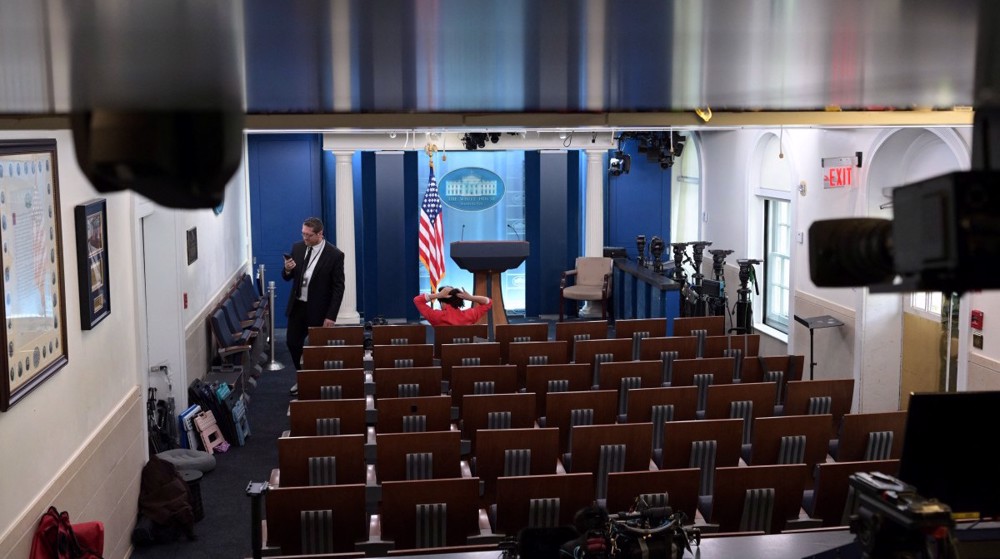
White House ordered by judge to restore access for CNN, MS NOW and Politico
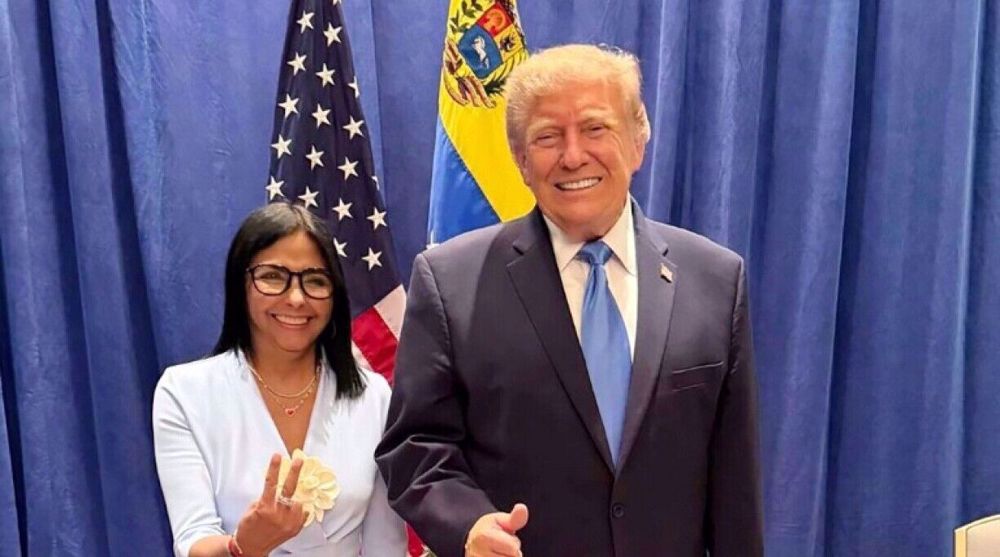
Trump meets Rodríguez near Maduro's prison as Venezuela's oil flows to US
Republican support for Trump’s war on Iran erodes amid deepening party divisions: Poll



VIDEO | 26th ICCU focuses on future of cardiovascular medicine
VIDEO | UN officials say US sanctions on Cuba are having warlike effects on locals
Gharibabadi: International law’s credibility hinges on states’ equality before the law
UN expands list of companies linked to illegal Israeli settlements
Escalating violence in Yemen displaces 71,000 children, exacerbates malnutrition: UNICEF
ECO can play greater role in regional peace, economic integration: Araghchi
Trump seeks to ‘colonize’ Brazil, seize its wealth through election meddling: Lula
VIDEO | Press TV's news headlines





 PressTV NEWSLETTER
now
PressTV NEWSLETTER
now
 This makes it easy to access the Press TV website
