Araghchi says venue of next round of nuclear talks with US could change

Iranian Foreign Minister Abbas Araghchi says the venue of the next round of indirect talks with the United States could change.
Araghchi made the remarks in an exclusive interview with Al Jazeera Arabic after he delivered a speech as a special guest at the Al Jazeera Forum’s opening panel in the Qatari capital of Doha on Saturday.
Iranian and American delegations, led by Araghchi and US Special Envoy Steve Witkoff, resumed nuclear talks in the Omani capital Muscat on Friday, eight months after Israel’s war against Iran last June. Omani Foreign Minister Sayyid Badr Al Busaidi was shuttling between the sides, with the talks being held indirectly as before.
Araghchi told Al Jazeera that after about six hours of talks, Iranian and US diplomats agreed to hold a second round of negotiations, though no date has yet been set.
However, he said, Tehran and Washington believe it must be held “soon,” and that the venue has not been fixed yet.
The first round of indirect talks between Iran and the US was originally set to take place in Istanbul. However, Iran requested a change in venue to Muscat, Oman, which has mediated past negotiations between Tehran and Washington.
Araghchi added that the possibility of war with the US always exists, reiterating that the Islamic Republic is prepared “for both peace and war.”
He assured regional countries that in case of a US attack, Iran would only target American forces stationed in the region, and not the countries themselves.
“We will not attack neighboring countries; rather, we will target US bases stationed in them. There is a big difference between the two,” Araghchi clarified.
He emphasized that issues related to Iran’s nuclear program can only be resolved through negotiations, but rejected any talks on the country’s missiles, calling them purely a defensive matter.
“The missile issue is a purely defensive matter for us and cannot be negotiated, neither now nor in the future, because it is a defensive matter,” the foreign minister said.
He once again affirmed Iran’s stance that the course of negotiations must be free of any threats or pressure, expressing hope that the US would pursue such an approach.
He stressed the importance of building trust to form realistic negotiations to reach a “fair and mutually beneficial outcome".
In response to a question about Iran’s enrichment activities, the minister said the country’s principled stance is opposition to any exit of enriched uranium from its territory.
However, he added, Iran is prepared to reduce the level of its uranium enrichment.
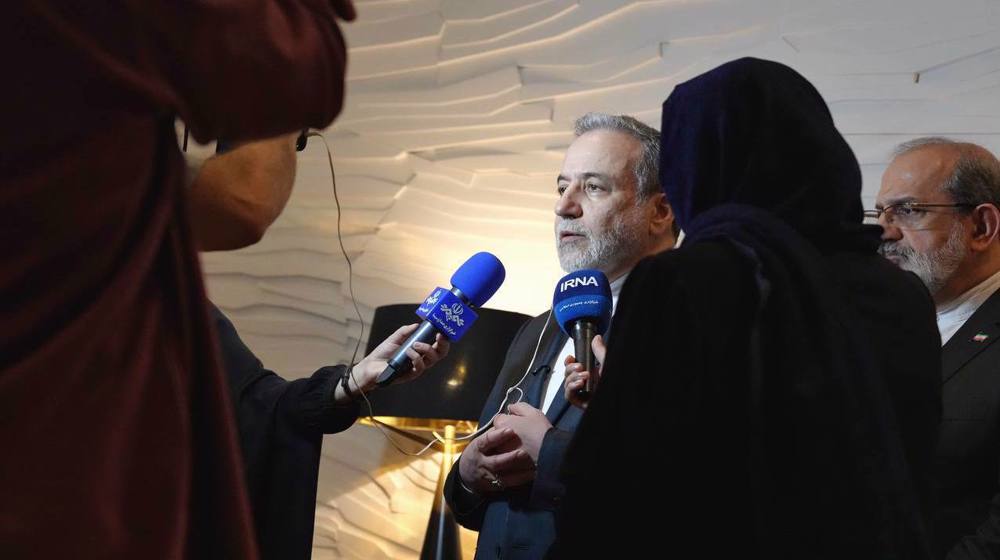
Speaking at the end of the Omani-mediated talks on Friday, Araghchi said the new round of indirect nuclear talks with the United States was a “good start” and can be continued.
“The decision on how to proceed with the negotiations will be made after consultations with the capitals,” he added.
Iran’s main demand in the Muscat talks was the effective and verifiable lifting of economic and financial sanctions. Tehran has repeatedly stressed that any agreement lacking tangible economic benefits would be of no practical value, making the timing and outcome of the negotiations especially important for Iran.
Iran insists on its legal right to enrich uranium on its own soil, describing the issue as a red line in the talks. From Tehran’s perspective, any potential technical measures can only be considered within a framework that recognizes this right, and any preconditions beyond it would be seen as a sign of bad faith by the other side.
Iran held five rounds of talks on a replacement for the 2015 nuclear deal before the US-Israeli airstrikes on the country and its nuclear facilities in mid-June.
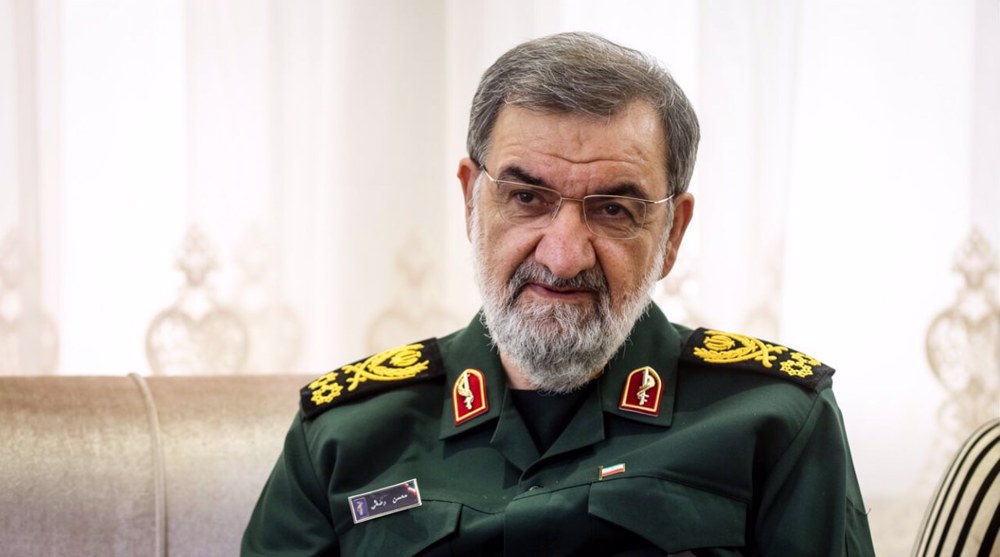
Iran’s nuclear doctrine not changed, but NPT withdrawal possible: Top security official
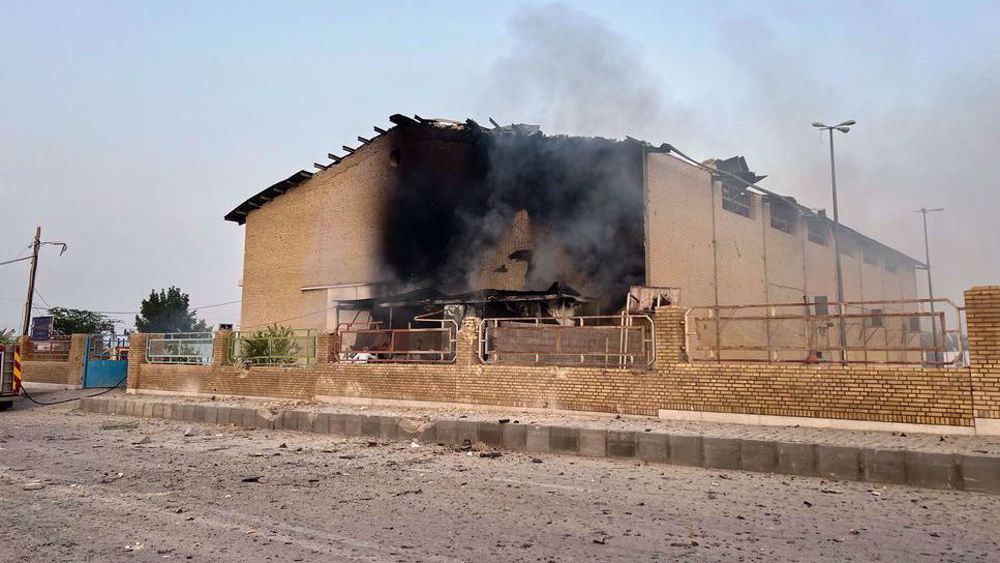
Iran dismisses White House accusations as ‘flight from reality,’ ‘act of projection’
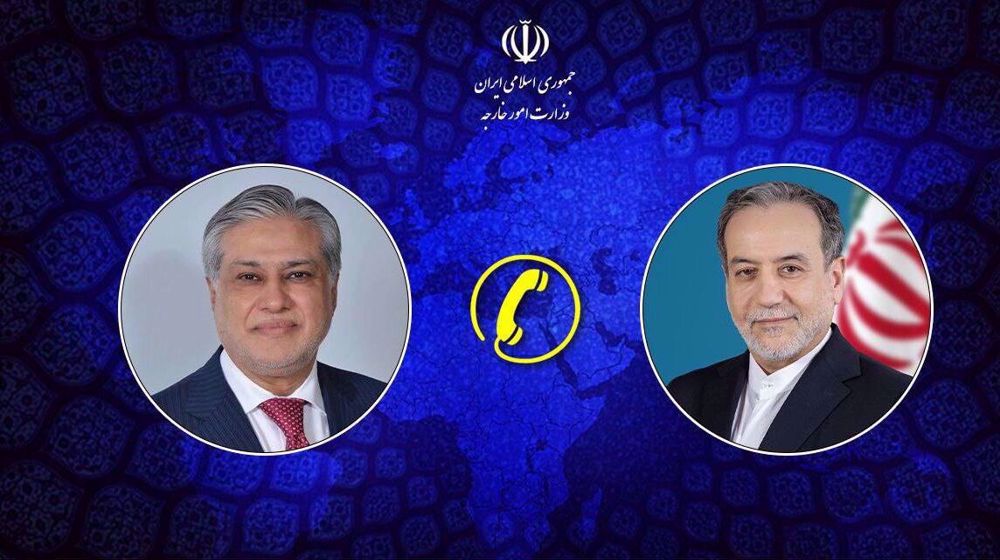
Iran, Pakistan FMs discuss regional developments, energy supplies



Top Iranian MP mocks US claims of fuel crisis, warns against miscalculation
Israel has carried out 1,068 incursions into Syria since Assad’s fall: Report
Pentagon says four killed in US strike on alleged drug boat in Caribbean
Iran sets 7 conditions for US to escape war quagmire: Rezaei
Stories Beyond Numbers: Mojtaba, three-day-old infant whose life was cut short before it could bloom
Discover Iran: Tabriz’s ‘Mausoleum of Poets,’ where centuries of Persian literary history live on
Moscow intercepts massive Ukrainian drone strike amid elections; civilian casualties reported
Understanding Iran’s tourism momentum amid war and sanctions


 PressTV NEWSLETTER now
  This makes it easy to access the Press TV website