Palestinians harassed, blocked at Rafah crossing amid limited Gaza reopening
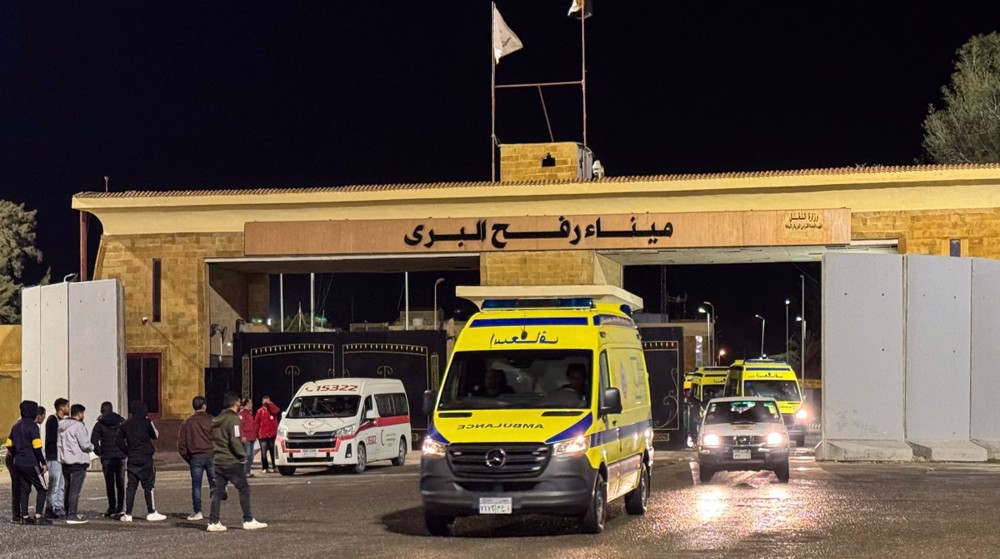
People of Gaza seeking to return home have reportedly faced intimidation and abuse by Israeli-backed violent gangs operating near the Rafah crossing, as only a fraction of travelers were allowed through, highlighting the ongoing restrictions and humanitarian challenges in the besieged strip.
Witnesses said that out of 50 Palestinians scheduled to enter Gaza from Egypt, only 12 were allowed through on Monday, while 38 were blocked.
Armed gangs linked to the late smuggler Yasser Abu Shabab escorted travelers to Israeli checkpoints and participated in interrogations, they added.
Al-Araby TV reported that those entering Gaza were stopped by masked militants at a checkpoint roughly 500 meters from the crossing and subjected to multiple rounds of questioning.
An Israeli official confirmed to Haaretz that “militia members escort Palestinians entering from the Rafah crossing to the Israeli security checkpoint.”
The Abu Shabab-linked gang, which has previously looted aid trucks and opened fire on Palestinian civilians while coordinating with Israeli forces, has become a key actor in controlling movement at the crossing.
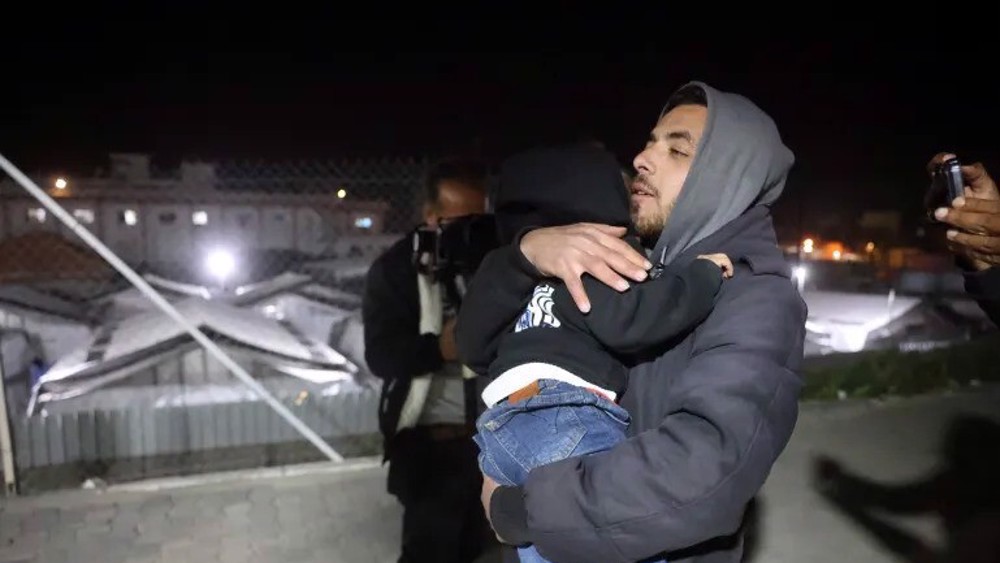
The Palestinian resistance movement Hamas condemned the reported “mistreatment and abuse” of travelers.
It cited testimonies describing “humiliating practices, including blindfolding women, subjecting them to lengthy interrogations unrelated to their travel, threatening some with their children, and attempting blackmail to force cooperation.”
Hamas called on mediators to press for an end to such actions.
Palestinian women, among the few allowed to return, described their experience as a “journey of horror.”
Huda Abu Abed, 56, told Reuters from Khan Younis that she and other travelers were blindfolded, handcuffed, and interrogated for more than two hours by Israeli forces and Israel-backed Palestinian gunmen.
“It was a journey of horror, humiliation, and oppression,” she said.
Another woman, Sabah al-Raqeb, 41, said that her bus, carrying returnees, was stopped at a checkpoint controlled by the Abu Shabab gang.
Families’ names were read aloud over a loudspeaker, and each individual was escorted by armed gang members to Israeli forces for questioning. They were asked about their knowledge of Hamas and events related to the October 7, 2023, operation against the Israeli regime.
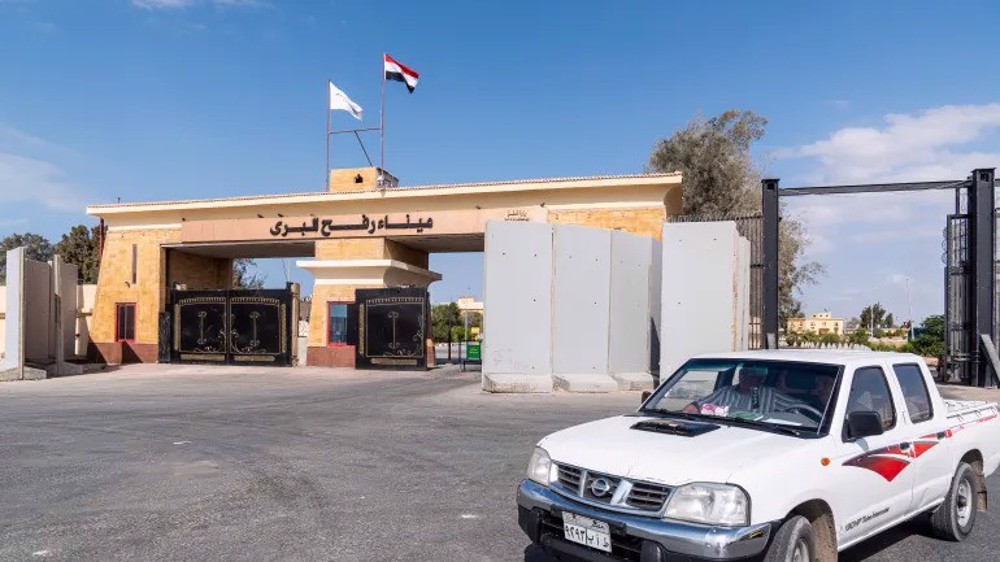
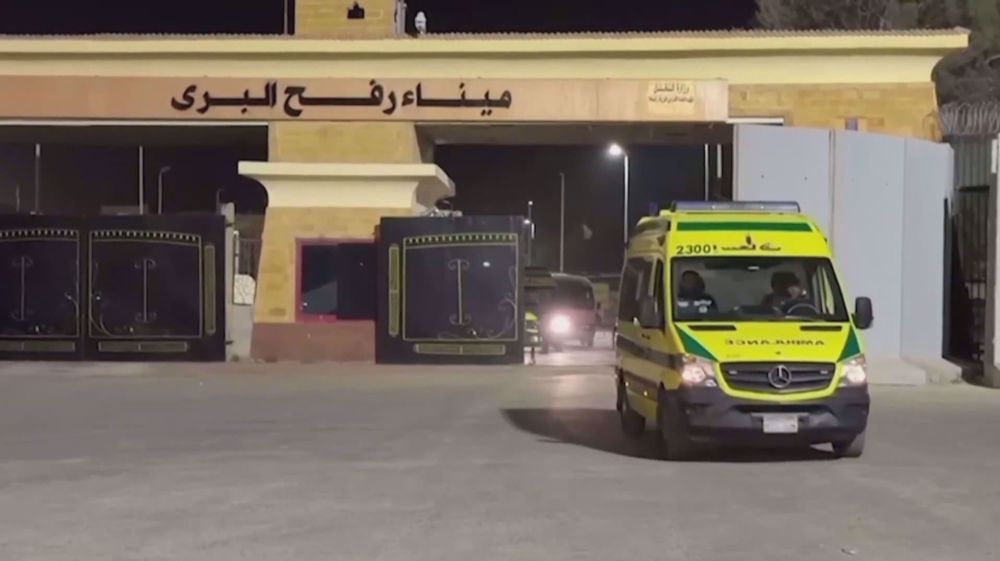
The Rafah crossing, which officially reopened on Monday, allows roughly 150 Palestinians to travel daily. This includes 50 medical patients, each allowed two companions, and another 50 permitted entry into Gaza.
Individuals seeking passage must register their names with Egyptian authorities, who forward the information to Israel’s Shin Bet security service for clearance.
The World Health Organization confirmed that the first group to pass through the crossing included five patients and seven companions, while nearly 20,000 more remain in urgent need of medical evacuation.
Around 80,000 displaced Palestinians are seeking to return to Gaza, many following extensive conflict-related destruction.
Rafah, once home to a quarter-million people, was largely depopulated during the genocidal war as Israel conducted demolitions.
The crossing remains under Israeli control, with the Abu Shabab gang playing a key role under Ghassan Dahine, who succeeded the group’s founder, Yasser Abu Shabab.
Shabab, widely denounced as a collaborator and criminal, was killed near Rafah on December 4, 2025.
Jordan: The Kingdom of Compromise (Part 3)
UN chief warns Israeli violence in West Bank raises ‘specter of ethnic cleansing’

US visa ban on Palestinian UN delegation violates international agreements: Hamas



VIDEO | Tunisia fuel truck drivers go on strike over social rights
Bahraini demonstrators censure Khalifah regime’s detention, trial of Shia scholars
'We fight for Iran': Female athletes win two rowing golds, silver at 2026 Asian Games
VIDEO | From blockade to harvest: Yemen's push for agricultural independence
2026 Asian Games: Iran secures one wushu gold, three silvers
VIDEO | Press TV's news headlines
VIDEO | Riyadh’s alliance exposed
VIDEO | US energy, diesel prices




 PressTV NEWSLETTER
now
PressTV NEWSLETTER
now
 This makes it easy to access the Press TV website
