Iranian missiles pose ‘serious threat’ to US interests, Persian Gulf allies warn Washington
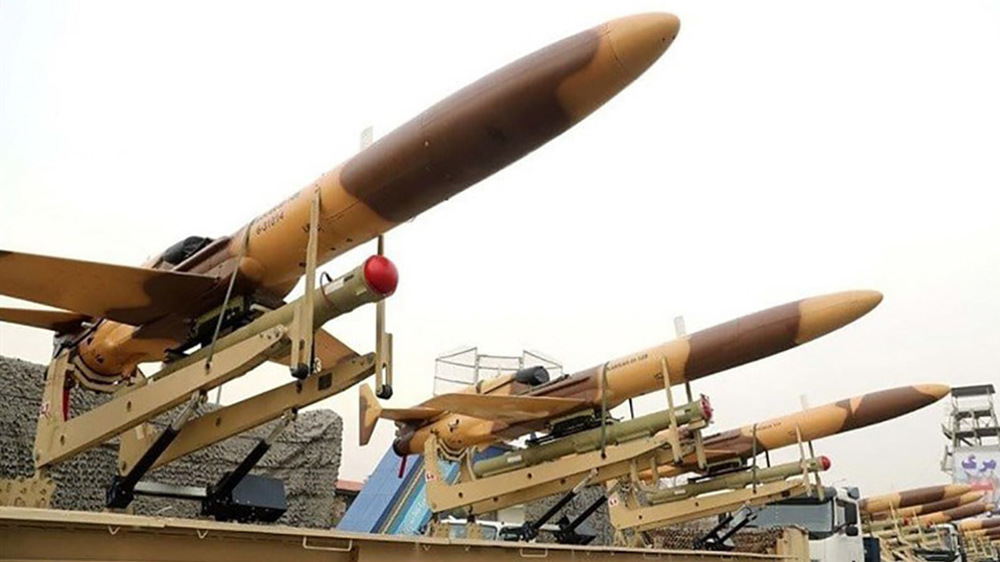
American allies in the Persian Gulf have warned Washington that Iranian missiles pose “a serious threat” to US interests in West Asia, as they intensify their efforts to avert a war with potentially catastrophic consequences for the entire region.
The Washington Post, citing two Western officials familiar with the matter, who spoke on condition of anonymity, reported on Sunday that Persian Gulf allies warned the US that Iran still retains key capabilities that could enable it to strike US targets, including military bases and troop concentrations across the region.
An assessment carried out by a US ally in the Persian Gulf revealed that, despite claims of damage to Iran’s missile forces during the 12-day war with Israel last June, core elements of the program remain intact, and some capabilities have since been restored.
According to the assessment, Iran retains shorter-range missiles, launchers, and parts of its missile production infrastructure--all capable of reaching more than a dozen US military bases in the Persian Gulf, where tens of thousands of American troops are stationed.
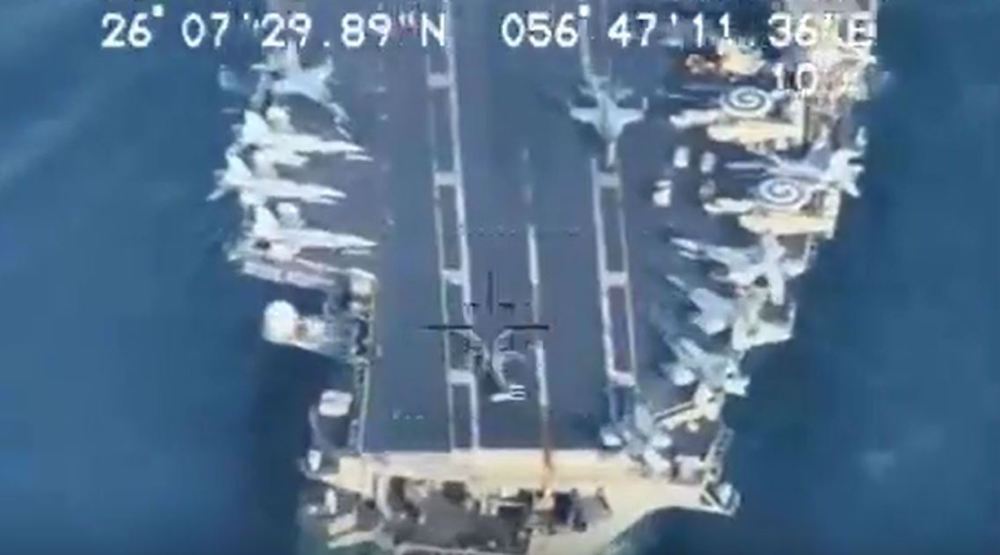
The findings underscore concerns in Washington that Iran could mount effective retaliatory attacks if tensions escalate further.
US allies in the Persian Gulf have made it clear they would not assist a potential attack on Iran. Last month, the United Arab Emirates and Saudi Arabia said US forces would not be permitted to use their territory or airspace for operations against Iran.
Amir Mousawi, a former Iranian diplomat now residing in Iraq, told the Post that Tehran has accelerated missile production since the war with Israel and repaired many damaged launchers.
Some launch systems, he added, have been relocated to mountainous areas, complicating efforts to target them.
“Iran has mountains thousands of meters high,” Mousawi said. “It is not possible to reach and damage these capabilities easily.”
David Des Roches, a former Pentagon official at the Thayer Marshall Institute, pointed out that Iran possesses the largest missile arsenal in West Asia.
He said that Iran has more missiles than the total number of interceptor missiles available to the countries in the Persian Gulf Cooperation Council, adding that regional air defenses are not fully integrated and are primarily focused on limited sites, leaving them vulnerable to saturation attacks.
Iran’s military posture has been a central factor in US decision-making as Washington continues to expand its regional presence.
US President Donald Trump began threatening military action against Iran following recent economic protests in the country, which were quickly hijacked by foreign-backed rioters. He called on the rioters to seize state institutions and promised that “help is on its way.” He later shifted his rhetoric, however, urging Tehran to return to negotiations and reach a nuclear deal.
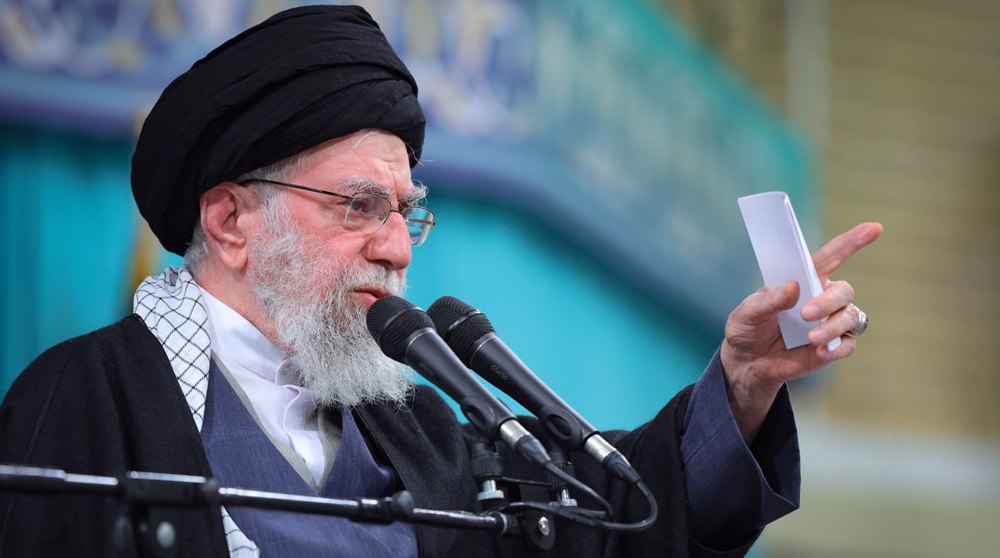
Earlier in the day, Leader of the Islamic Revolution Ayatollah Seyyed Ali Khamenei warned that any war initiated by the US against Iran would turn into a regional war.
Also on Saturday, Ali Larijani, secretary of the Supreme National Security Council (SNSC), said progress had been made toward establishing a framework for negotiations between Iran and the US despite heightened threats of military confrontation.
Tensions remain high as US Central Command keeps sending warships, fighter jets, and troops to the region under the pretext of “regional security.”
Iran has warned that any aggression will meet a swift and forceful response.
Iran hails expulsion of US forces from Iraq, demands accountability for two decades of crimes
Iran, Iraq to resume flights after US sanctions waiver
Leader's advisor warns UAE: 'Half-century-old state' better off not challenging Iran



Yemeni forces strike Aramco facilities in Riyadh in response to Saudi aggression
Iran hails expulsion of US forces from Iraq, demands accountability for two decades of crimes
Iran, Iraq to resume flights after US sanctions waiver
VIDEO | ‘Crime against humanity’: Saudi airstrikes hit maternity and child hospital in Yemen
Somali president: We won’t allow Israeli presence on our land 'under any circumstances'
Iran's top officials congratulate athletes on Asian Games victories
VIDEO | Press TV's news headlines
VIDEO | Crowds gather in Baghdad to celebrate withdrawal of US-led coalition


 PressTV NEWSLETTER
now
PressTV NEWSLETTER
now
 This makes it easy to access the Press TV website
