Iraq's former PM Maliki rejects ‘blatant US interference’ after Trump warning
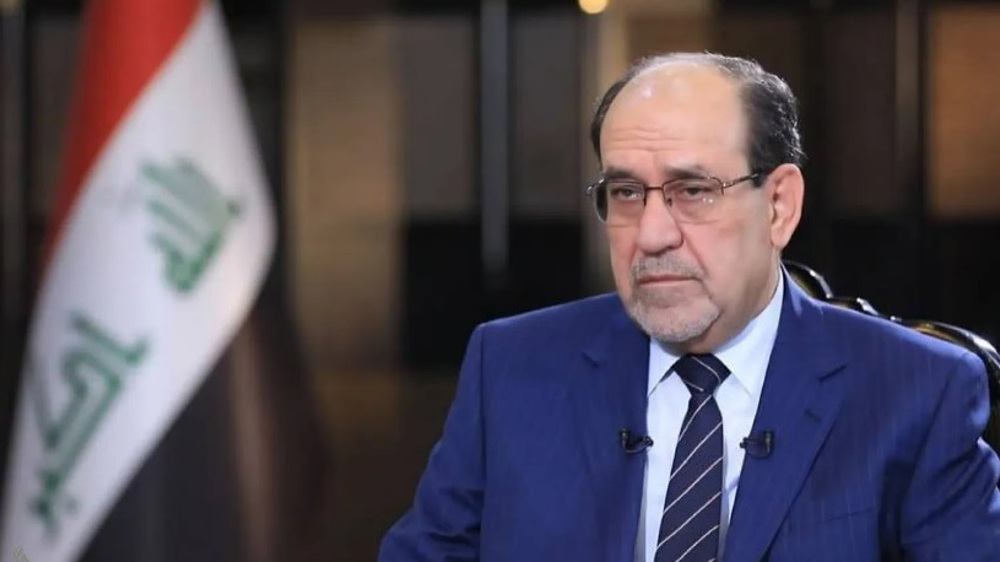
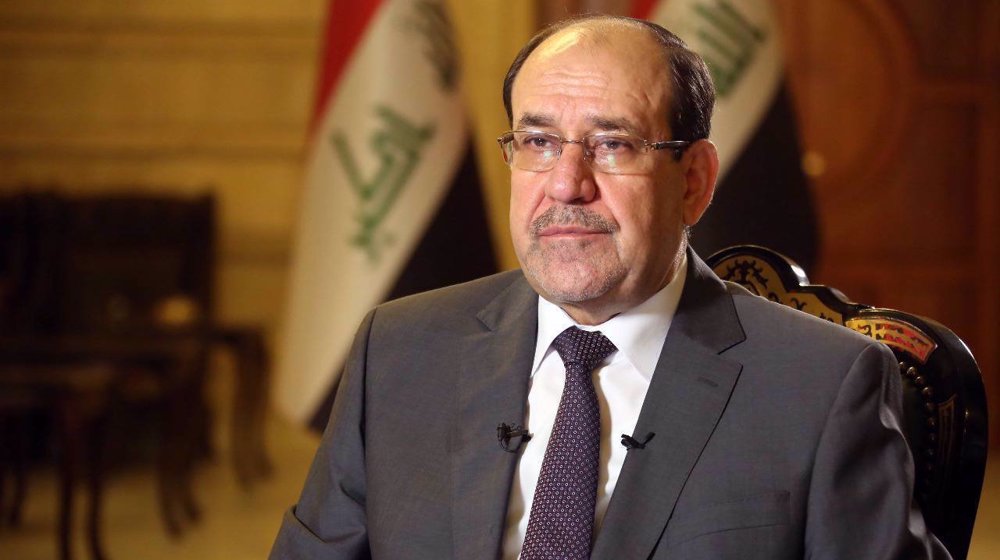
Former Iraqi Prime Minister Nouri al-Maliki has dismissed “blatant US interference” in the country's domestic affairs, a day after US President Donald Trump warned that Washington would withdraw its support for Baghdad if the veteran politician returns to power.
“We categorically reject the blatant American interference in Iraq’s internal affairs,” the 75-year-old Maliki wrote in a post published on the social media platform X on Wednesday.
“We consider it (US interference) a violation of sovereignty, contrary to the democratic system in Iraq after 2003, and an infringement on the decision of the Coordinating Framework for selecting its candidate for the position of Prime Minister.”
“The language of dialogue between countries is the only political option for dealing with them, not resorting to the language of dictates and threats,” Maliki said.
“Out of respect for the national will” and the Coordination Framework’s decision “guaranteed by Iraq’s constitution,” Maliki said he “will continue his efforts until the end, in a way that serves the supreme interests of the Iraqi people.”
Trump warned on January 27 that Iraq could face consequences if Maliki is reinstated.
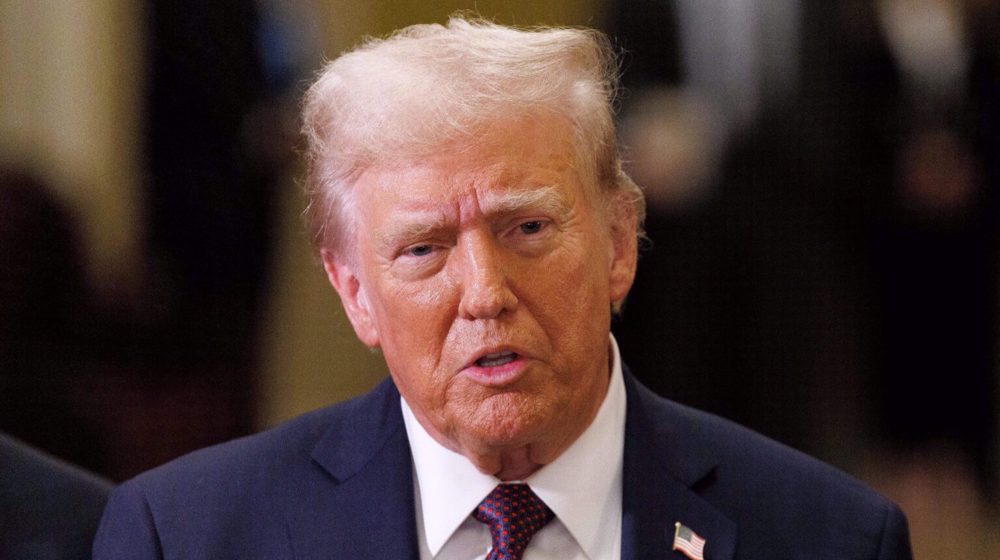
The warning came after Maliki was endorsed by the Coordination Framework, a coalition of Shia parties, to run for the premiership.
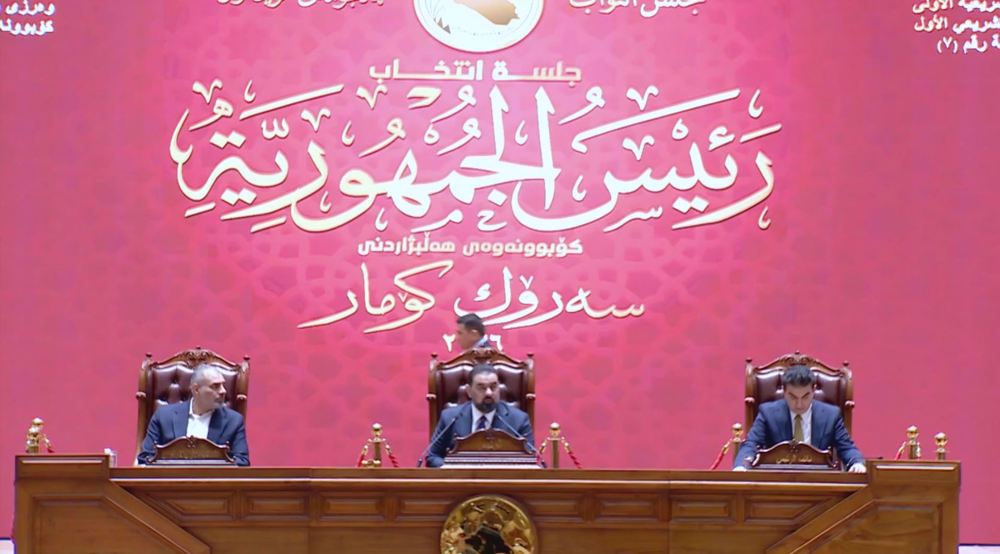
The Iraqi parliament was scheduled to elect the prime minister on Tuesday, but the vote was delayed. The president will then task the prime ministerial nominee from the largest bloc with forming a government within 15 days.
Maliki served as Iraq’s prime minister from 2006 to 2014 and as vice president between 2014 and 2015 and again from 2016 to 2018. He currently heads the Islamic Dawa Party political movement.
He is a senior figure in Iraq’s political scene and maintains close ties with various factions, including parties linked to the Popular Mobilization Units (PMU) that have opposed foreign interference in the Arab country’s affairs. The PMU was formed in 2014 to fight the Daesh Takfiri terrorist group and was later incorporated into Iraq’s armed forces.
Prime Minister Mohammed Shia' al-Sudani has opted not to seek a second term, a decision that stands to reshape Iraq’s political landscape.
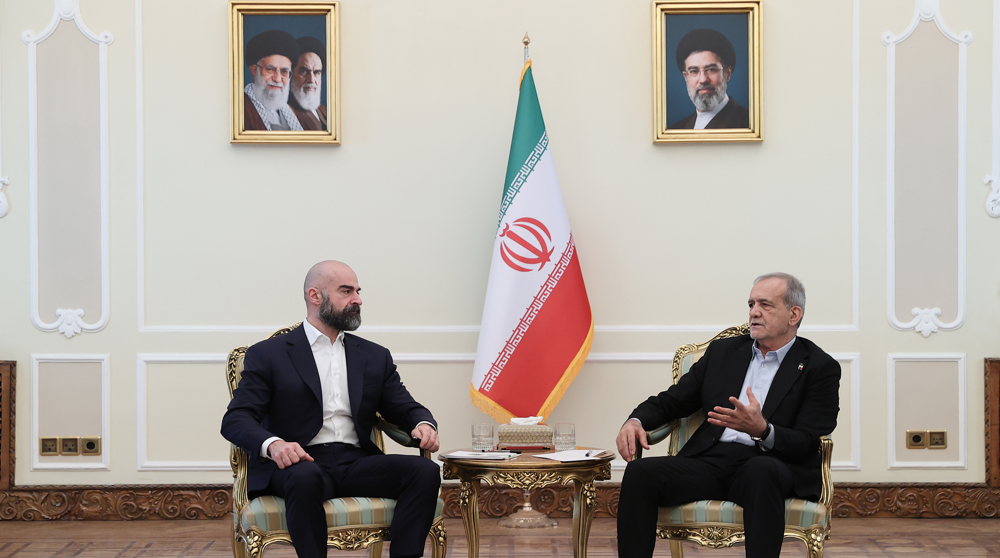
Pezeshkian: Iran ready to resolve issues with neighbors through diplomacy
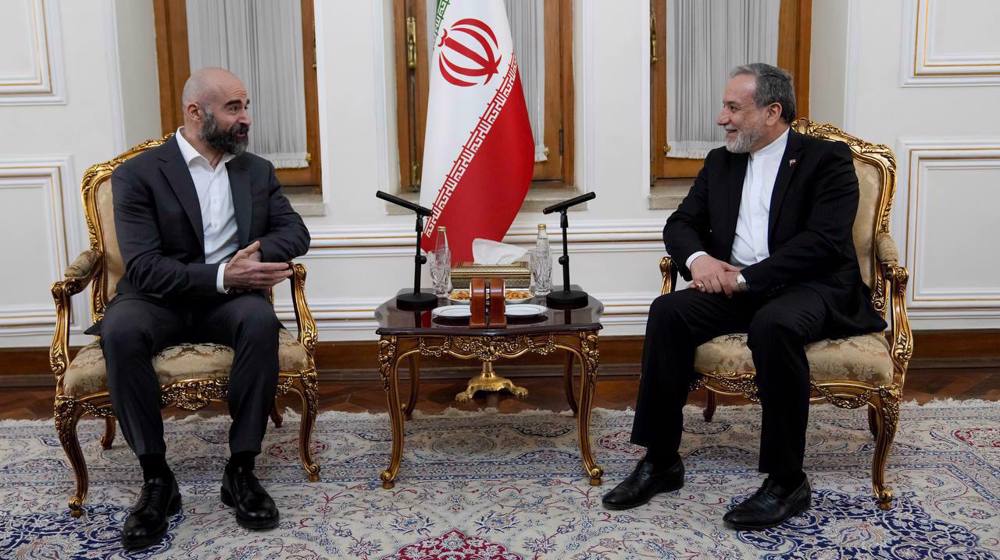
Iraqi Kurdistan says will not allow territory to be used to threaten Iran
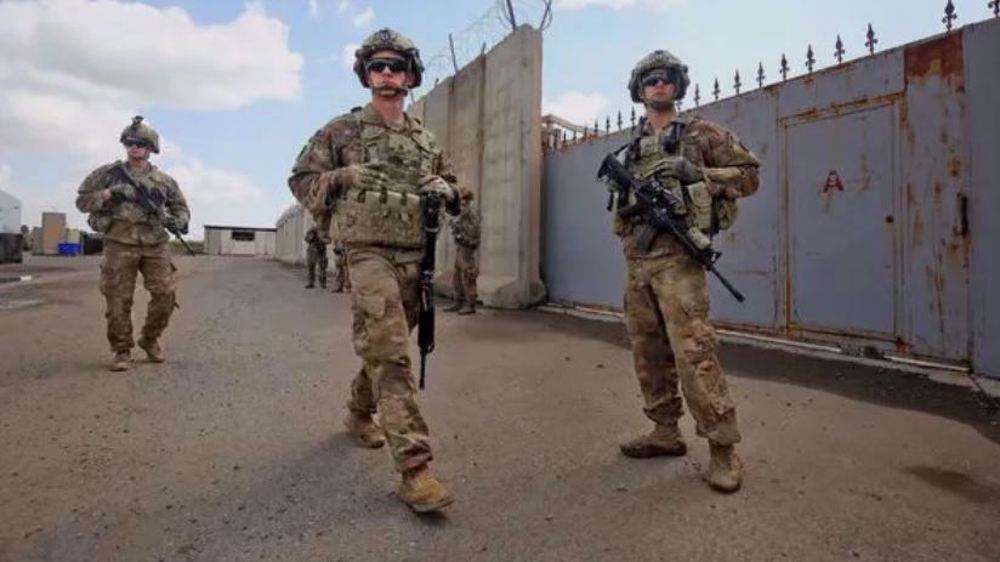
Iraqi MP: US forces’ September 30 withdrawal certain; foreign troops no longer needed



VIDEO | Pakistan, China co-chair historic SCO bank framework talks
VIDEO | Press TV's news headlines
VIDEO | News Review: US accused of understating troop deaths in war on Iran
Trump’s ‘war of choice’ against Iran ‘a disaster’: House Democratic leader
Iran’s nuclear doctrine not changed, but NPT withdrawal possible: Top security official
Blast rocks military site in Syria’s Dayr al-Zawr, killing 11 HTS forces
EU urges US to reconsider visa denial for Palestinian UN delegation
Iran dismisses White House accusations as ‘flight from reality,’ ‘act of projection’



 PressTV NEWSLETTER
now
PressTV NEWSLETTER
now
 This makes it easy to access the Press TV website
