‘Enough orders from Washington’: Venezuela’s interim president condemns US pressure
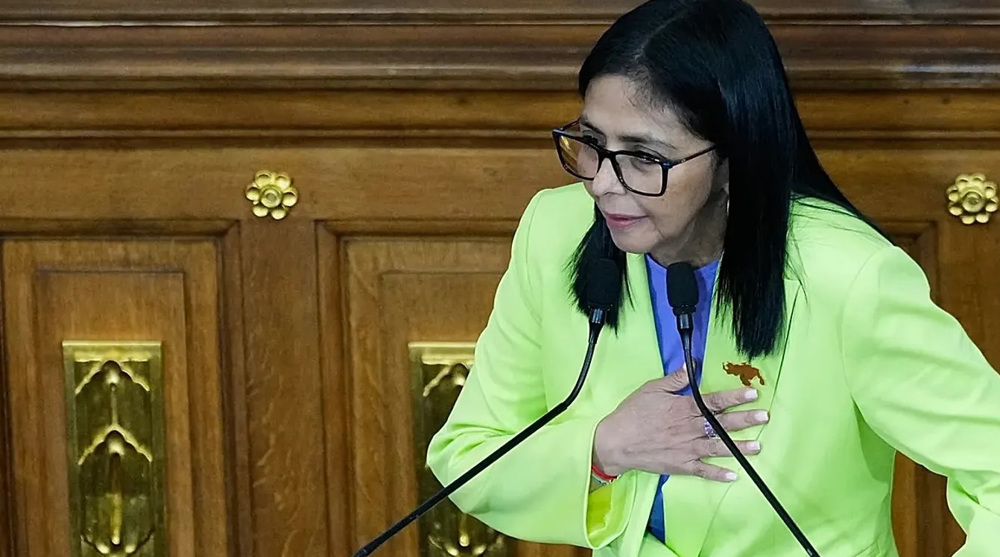
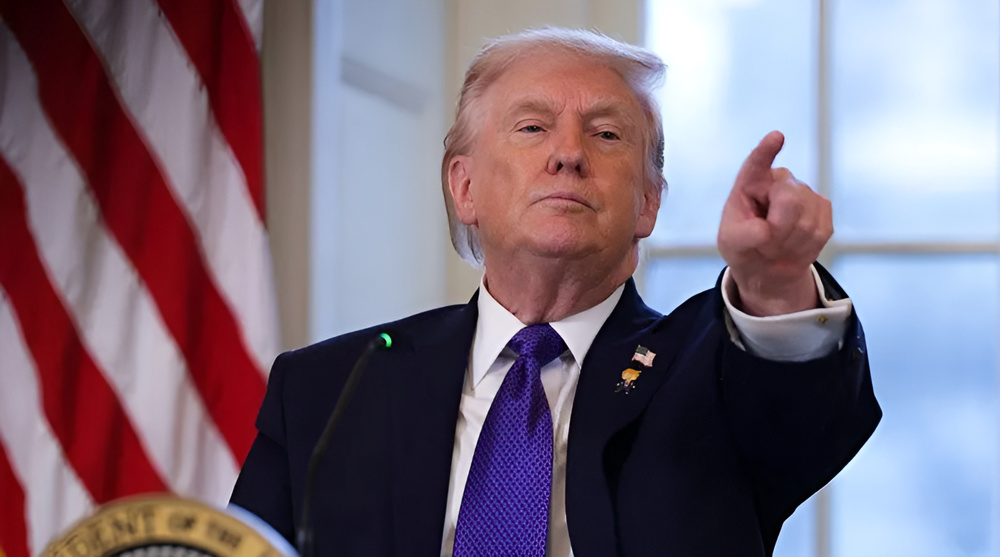
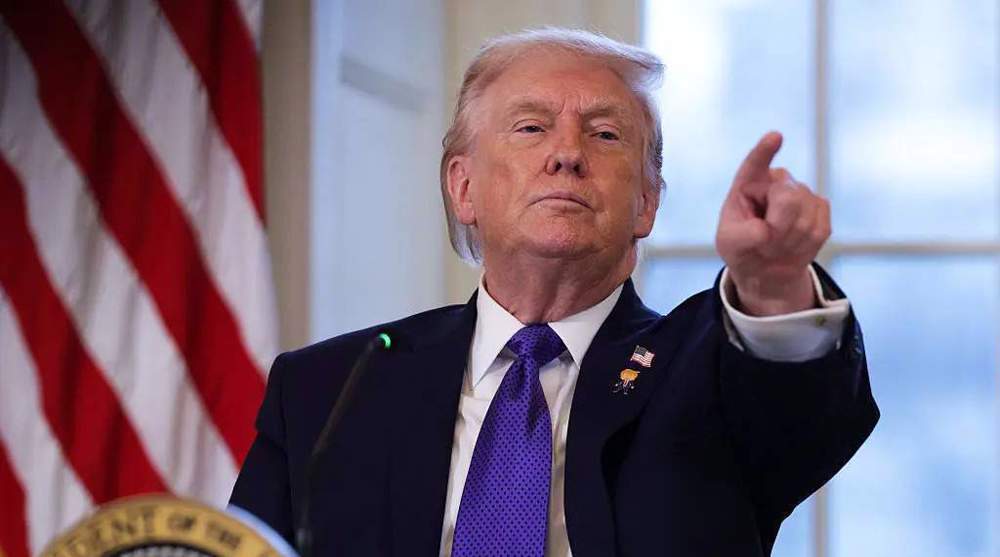
Venezuela’s interim president has struck a defiant tone in response to US President Donald Trump’s increasingly aggressive approach towards the South American nation, following the abduction of President Nicolas Maduro and a widening campaign of US military operations.
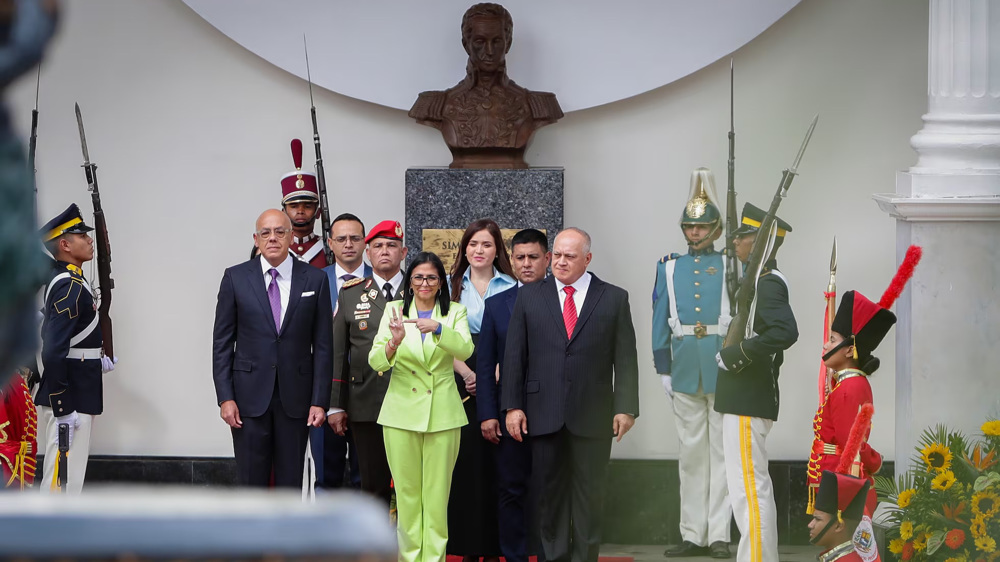
Speaking to oil workers in the eastern state of Anzoátegui on Monday, Delcy Rodriguez delivered a direct message to Washington, rejecting foreign interference in Venezuela’s political affairs.
“Enough orders from Washington on politicians in Venezuela. Let Venezuelan politics resolve our differences and internal conflicts. Enough of foreign powers,” she said.
Rodriguez said her government would address long-standing disputes with the US “face to face,” through what she described as Bolivarian diplomacy, emphasizing sovereignty and direct engagement rather than coercion.
“We are not afraid, because what must unite us as a people is guaranteeing peace and stability for this country,” Rodriguez said, stressing that Venezuela would not be intimidated by external pressure.
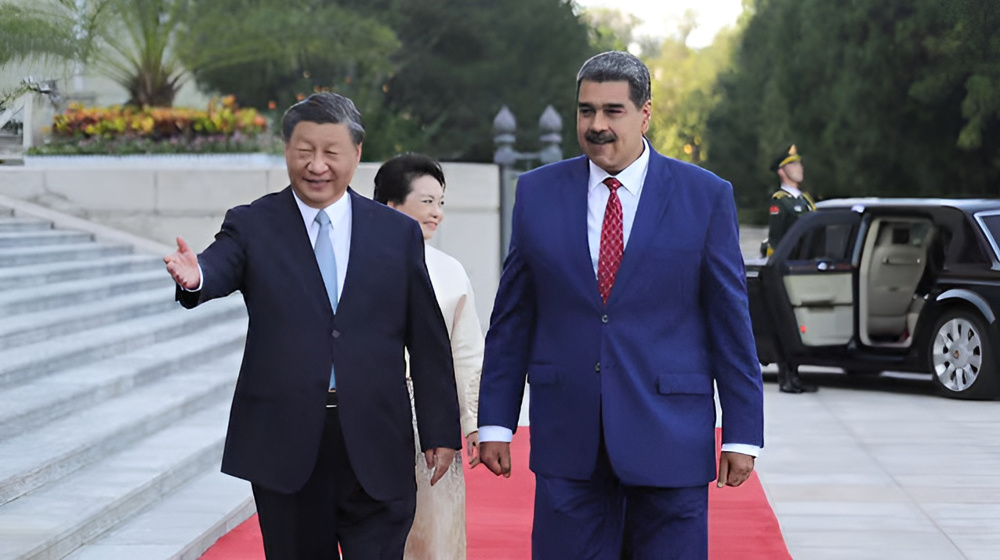
She also said Venezuela had never imagined that a South American capital would be subjected to a military assault by a foreign power, referring to the events of January 3, when US forces attacked Caracas and seized Maduro along with his wife, Cilia Flores. She described the operation as a shocking escalation that crossed long-standing regional red lines.
Rodriguez renewed her call for national unity, urging Venezuelans to settle internal political disagreements through domestic dialogue rather than foreign intervention. She warned that outside involvement had only deepened instability and undermined prospects for peace.
Earlier on Saturday, she again appealed for negotiations with opposition groups in an effort to reach what she described as “agreements” for peace, nearly three weeks after the US-led abduction of Maduro.
“There can be no political or partisan differences when it comes to peace in Venezuela,” Rodriguez said during a state television address from the coastal state of La Guaira.
“Despite our differences, we must speak to each other with respect. Despite our differences, we must come together and reach agreements,” she added.
Meanwhile, US military activity in the region has continued to expand. Last week, the US Southern Command carried out its first known military strike since January 3, targeting a vessel it described as being involved in drug trafficking.
According to the US Southern Command, the strike took place in the eastern Pacific Ocean and hit a boat that was “engaged in narco-trafficking operations.” Two people were killed and one person survived, the military said.
The most recent strikes prior to last week occurred in late December, when the US military said it hit five suspected drug boats over the course of two days, killing eight people.
As with other operations, US authorities have not released verifiable evidence to substantiate their narrative, prompting concerns over transparency, accountability, and the growing human cost of Washington’s actions in the region.
In recent months, the US military has also intensified efforts to seize oil tankers linked to Venezuela, as part of broader operations ordered by Trump. These actions have further strained relations and fueled criticism that Washington is using military power to enforce political objectives.
Iran-Oman Hormuz corridor talks progress despite US obstruction, source tells Press TV
Threat, ultimatum, retreat: Why Trump’s bellicose rhetoric against Iran always ends in backtracking
Far reaching fallout of US war on Iran



VIDEO | Kashmir marks Arbaeen with massive mourning processions
VIDEO | Trump stuck in war quagmire
Saudi airport knocked out of operation after Yemeni strike hits its main radar: Report
US finds a new way to ‘undercount’ casualties from Iranian retaliation: Report
VIDEO | Gaza buries 112 Palestinians killed by Israel, bodies recovered after nearly three years
VIDEO | Gaza hospitals struggle to treat burn victims amid Israeli attacks, aid restrictions
VIDEO | 'The US cannot teach us about sovereignty': Palestinian political analyst
US-led ‘Board of Peace’ violates terms for Israeli withdrawal from Gaza


 PressTV NEWSLETTER
now
PressTV NEWSLETTER
now
 This makes it easy to access the Press TV website
