Recent Iran riots followed a ‘familiar playbook’ as foreign forces hijacked protests: Analyst
By Press TV Staff Writer
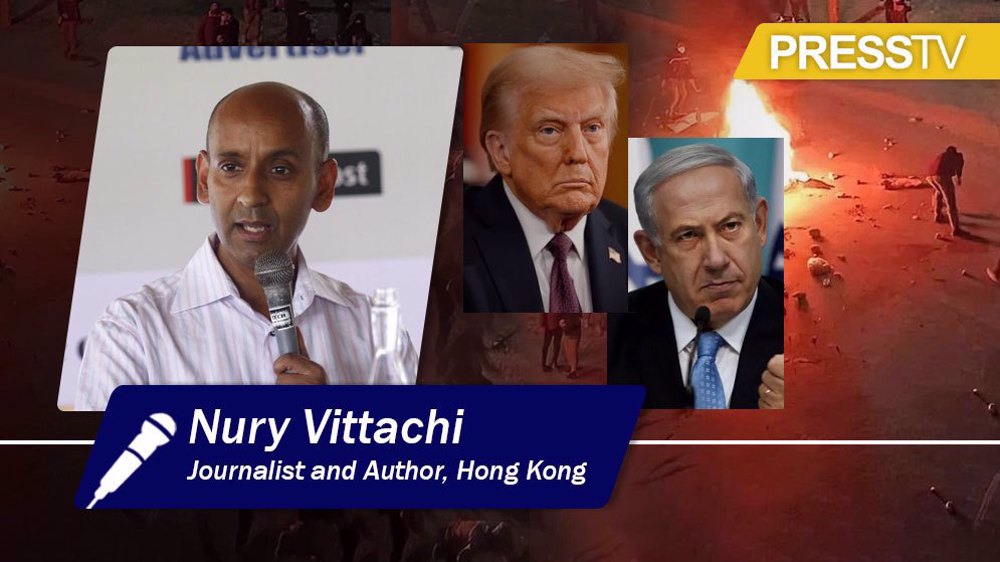
The recent riots in Iran followed a familiar playbook, as legitimate public grievances were swiftly hijacked by the “heavy involvement of foreign forces,” says an analyst.
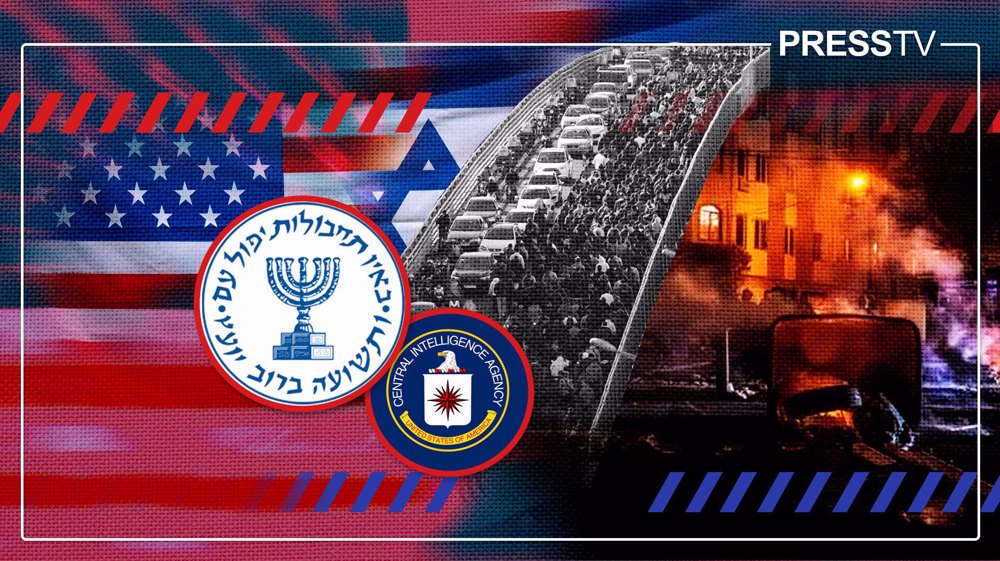
In an interview with the Press TV website, Nury Vittachi, a Hong Kong-based journalist, author, and political commentator, said the deadly unrest and acts of terrorism in Iran in recent weeks bore the unmistakable signs of a coordinated campaign orchestrated by the United States and Israel.
“There is no doubt that there was heavy involvement from foreign forces during the riots. I have seen this same procedure in many locations,” he stated.
Vittachi described a methodical process that unfolds over years, not weeks, as foreign-backed networks lay the groundwork well before unrest erupts, like in the recent weeks.
“These groups spend years doing the groundwork for regime change,” the analyst stated. “They penetrate existing civic groups, and they set up organizations themselves – NGOs, or trade unions or educational groups, for example.”
The strategy, he added, is not to invent discontent but to embed within it.
“They also get involved in popular causes – women’s rights, democracy promotion,” he said. “They use real grumbles and grievances from the public.”
Labor issues, in particular, play a central role. “A special focus they use a lot is ‘labor rights,” Vittachi said, pointing to how economic pressure becomes a political accelerant.
Youth groups are another priority, he said. “The foreign forces particularly value getting involved with youth groups, because young people are more violent.”
In Iran, protests erupted late last month as merchants took to the streets, driven by soaring inflation and economic hardships largely fueled by illegal Western sanctions.
WATCH: Shocking evidence of the presence of trained mercenaries in the Isfahan riots
— Press TV 🔻 (@PressTV) January 16, 2026
Follow https://t.co/B3zXG73Jym pic.twitter.com/jKJasAW2zN
Even Western scholars acknowledge this connection. John Mearsheimer, a leading American expert in international relations, directly linked the merchants’ protests to the impact of Western sanctions.
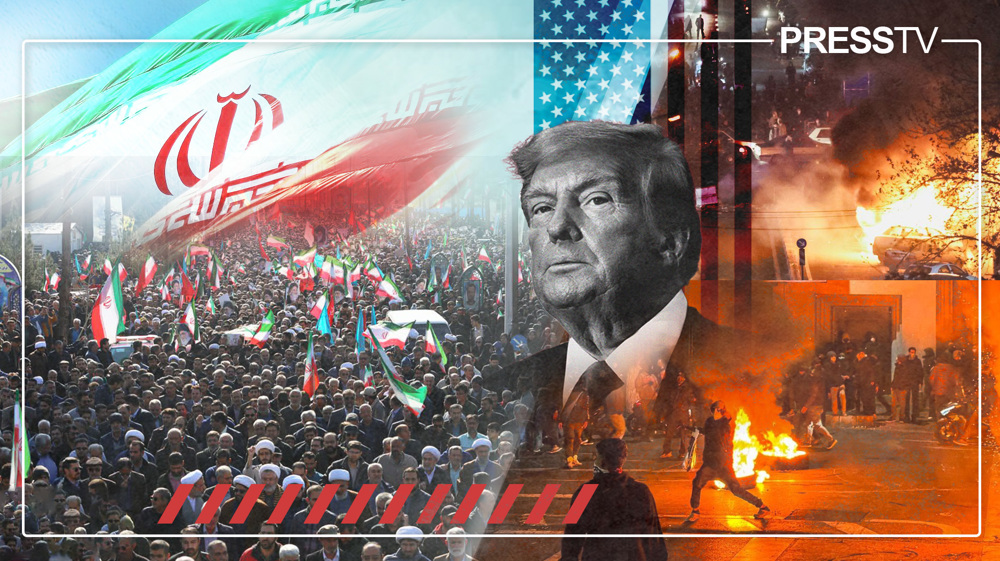
The nature of the demonstrations shifted sharply on January 8 as largely peaceful gatherings turned violent. Armed groups attacked banks, shops, bus stations, and mosques. Security forces and civilians were killed. Authorities note that this was the moment outside actors moved to hijack the protests.
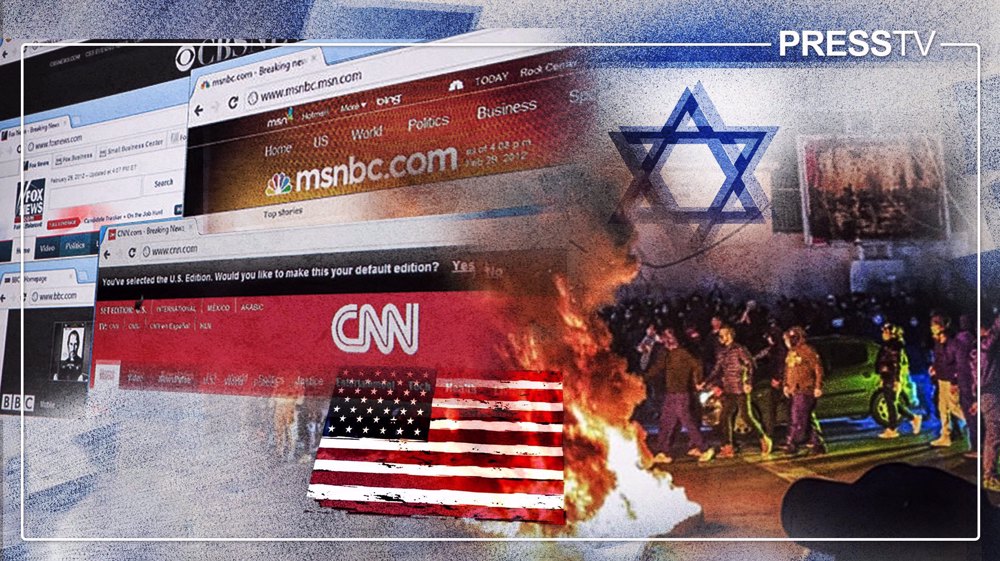
Vittachi pointed to media activity as another clear indicator. “Another sign of trouble is that new media groups are set up, or old ones get new finance,” he said. “The foreign forces regularly finance entire media companies so that their anti-government messages are spread far and wide.”
Money, he stressed, is central. “Remember, the foreign forces are rich – so it is easy for them to get support by organizing events, giving out grants, paying people to support them, and so on.”
Information gathering also plays a role, as Vittachi described the use of seemingly benign research fronts. “Another thing they do is set up ‘market research’ groups,” he said. These serve a dual purpose. “One is that it helps them gather information without being accused of being spies.”
The other purpose, he added, is narrative building. “They use the market research groups to set up surveys. The questions are phrased in such a way that they make the government look bad.”
Those results are then promoted as proof of widespread hatred. “They can say that they have data that proves the government is hated,” he noted.
Technology, Vittachi said, accelerates everything. “Another thing they do is make use of technology,” he remarked, citing encrypted channels that allow rioters to organize beyond the reach of authorities.
Disinformation, he further noted, is worse. “But the most dangerous thing they do is to generate false stories – narratives that quickly spread, saying that the government has killed large numbers of peaceful protesters,” Vittachi said. “They nearly always do this.”
✍️ Feature - Fake deaths and celebs: Inside the farcical info war against Iran amid foreign-backed riots
— Press TV 🔻 (@PressTV) January 21, 2026
By Maryam Qarehgozlouhttps://t.co/ErXUyvFMU5 pic.twitter.com/81LoDsoRxi
Meanwhile, the analyst did not rule out the possibility of renewed US aggression against Iran.
“My sources say that it is very likely that the US and/ or Israel will make a military attack on Iran soon,” he stated. “They will choose a time when it seems that everything has become peaceful again – and that is when they will strike.”
That assessment echoes Mearsheimer’s description of a “systematic strategy.” Sanctions come first. Then protests. Then, a campaign to convince Western audiences the unrest is purely internal. The final step, he warned, is military intervention.
Vittachi’s assessment comes as Iranian authorities, former US intelligence officers, Western academics, and even Israeli media converge on a similar conclusion: the unrest did not remain organic for long.
Larry Johnson, a former CIA officer, called the unrest “a calculated intelligence operation by the CIA and Mossad.” Retired US Army Colonel Douglas MacGregor described how economic protests were escalated through money, satellite communications, and direct incitement of violence.
Israeli media outlets have also acknowledged involvement. The Jerusalem Post reported in a rare admission that “Mossad agents are present at the Iranian protests.”
Jeffrey Sachs, a Columbia University professor, placed the events in a broader historical frame. He said the protests reflected “a very specific type of war that the CIA and Mossad have used many times over the decades.”

BRICS paving way for alternative world order, not a war machine against West: Analyst
Iran’s strategic location, energy resources position it as a key player in BRICS alliance: Analyst
Yemeni military advance along Red Sea alters balance of power amid Saudi siege, aggression: Analyst



Iran slams US for blaming Iran over rising fuel prices, Strait of Hormuz closure
VIDEO | Putin’s United Russia wins landslide victory in parliamentary election
2026 Asian Games: Iran’s karate practitioners win one gold, three silver medals
VIDEO | Record fuel prices in France spark fears of new 'Yellow Vest' uprising
VIDEO | US diesel gas hits all-time record, could cost Trump Congress
VIDEO | Escalating Pakistan-Afghanistan cross-border tensions: Can diplomacy outpace military friction?
Ansarullah: Yemeni armed forces fighting ‘decisive battle’ against Saudi Arabia
Pezeshkian vows to firmly defend Iran’s positions, convey its strength at UN


 PressTV NEWSLETTER
now
PressTV NEWSLETTER
now
 This makes it easy to access the Press TV website
