Smallest coffins are the heaviest: The three youngest victims of foreign-backed riots in Iran
By Humaira Ahad
In Iranian cities such as Tehran, Kermanshah, Nishapur, and Isfahan, peaceful public demonstrations over economic concerns devolved into violence early this month as foreign-backed rioters stepped in.
As the streets descended into chaos and disorder, civilians were directly affected. Parents carrying children, shoppers, elderly residents, and others going about their daily routines were caught in the grip of violence orchestrated by elements backed by foreign spy agencies.
US- and Israel-backed rioters, armed and ruthless, tore through neighborhoods, indiscriminately targeting civilians with weapons, knives, and firearms.
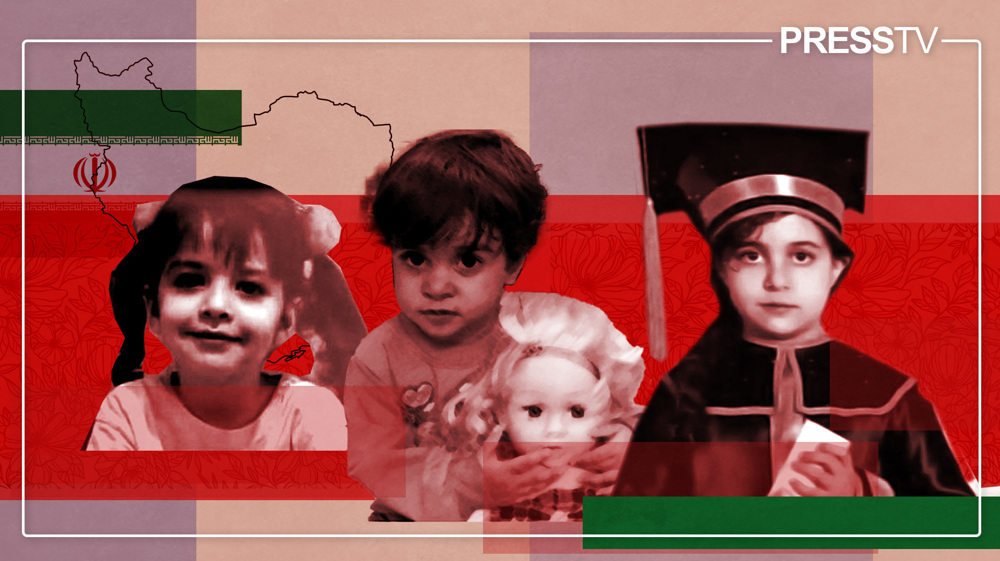
Among the victims were the youngest and most innocent: two-year-old Bahar Seifi from Nishapur, three-year-old Melina from Kermanshah and eight-year-old Anila Abu Talibian from Isfahan.
Their lives – fragile and full of promise – were violently cut short amid a wave of mercenary terror.
Bahar Seifi: Three days of struggle for the youngest martyr
On January 9, 2026, in the historic northeastern city of Nishapur, two-year-old Bahar Seifi was caught in an attack carried out by armed rioters.
She had gone with her brother to take out the trash when armed terrorists fired on her. Targeted by foreign-backed rioters, she fell into a coma. Despite the tireless efforts of doctors, the young child succumbed to her injuries three days later, becoming the youngest martyr of the violent unrest.
Bahar’s mother reflected on those final days when her daughter was on the ventilator.
“It feels as though Lady Fatimah (sa) preserved those three days to help me so my heart could find peace and I could let go of Bahar more easily," she was quoted as saying.
"When the time came to disconnect the medical machines from Bahar, I said to Lady Fatimah (sa): ‘O Fatimah al-Zahra, my daughter, like Lady Ruqayyah (Imam Hussain’s daughter), was a pure and innocent three-year-old. Just as you watch over Lady Ruqayyah, I ask you to take care of my Bahar as well and consider her like little Ruqayyah.’"
Bahar’s grief-stricken mother quietly whispered to her daughter: “My child, although parting from you, my precious daughter, is unbearably painful for me, I entrust you to Lady Fatimah (sa) and take comfort in knowing that she will watch over you.”
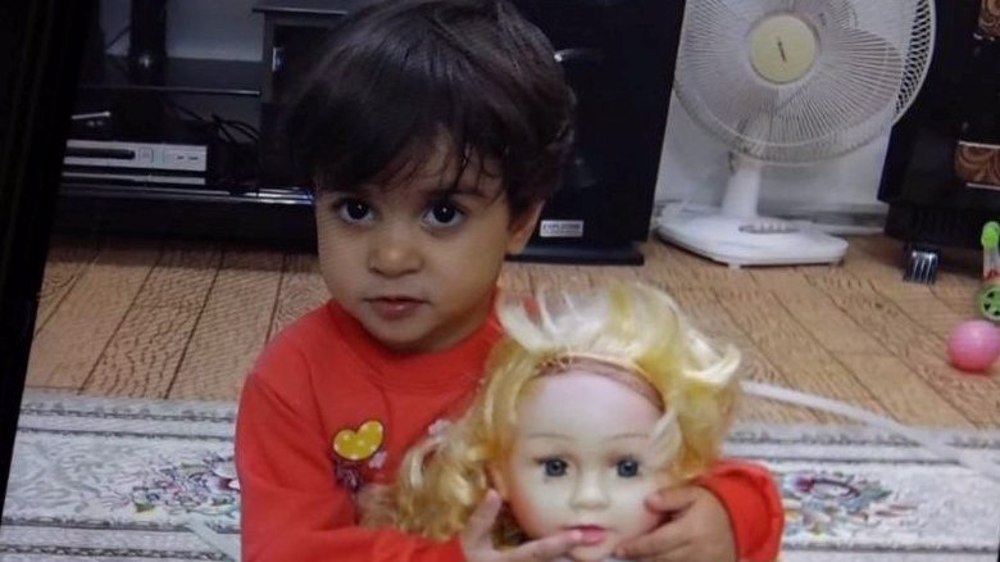
Fighting back tears, Bahar’s mother said, “She was only two years old, pure and innocent. What had this child done to face such an unjust end?”
The bereaved father, Qasem Seifi, called for vigilance, reminding the nation that the loudest critics of Iran often speak from the safety of foreign capitals.
“Those who betray the homeland are refugees in Western countries. They incite people to create chaos and unrest, putting the lives of our fellow citizens in danger. These mercenaries never seek the good of the country and intend to hand the nation over to the enemy,” he noted.
“I ask parents to make their children aware and vigilant against the sedition of foreigners, and not allow them to be influenced by foreign media and join rioters. Although Bahar is no longer among us, I do not want the parents of my homeland to mourn the loss of the ‘springs’ of their lives.”
Speaking about the wider impact of the unrest that gripped the country, Bahar’s father highlighted both the loss of his daughter and the efforts of security forces to restore order, saying that sacrifices had been made to protect the country.
“We have lost many martyrs and commanders to achieve and preserve this security. Now we must not, under the pretext of economic issues, allow this security to be endangered or let our country become prey to the plots of mercenaries and traitors,” he said, emphasizing the cost of maintaining safety.
Melina: Cold, pharmacy, and life stolen
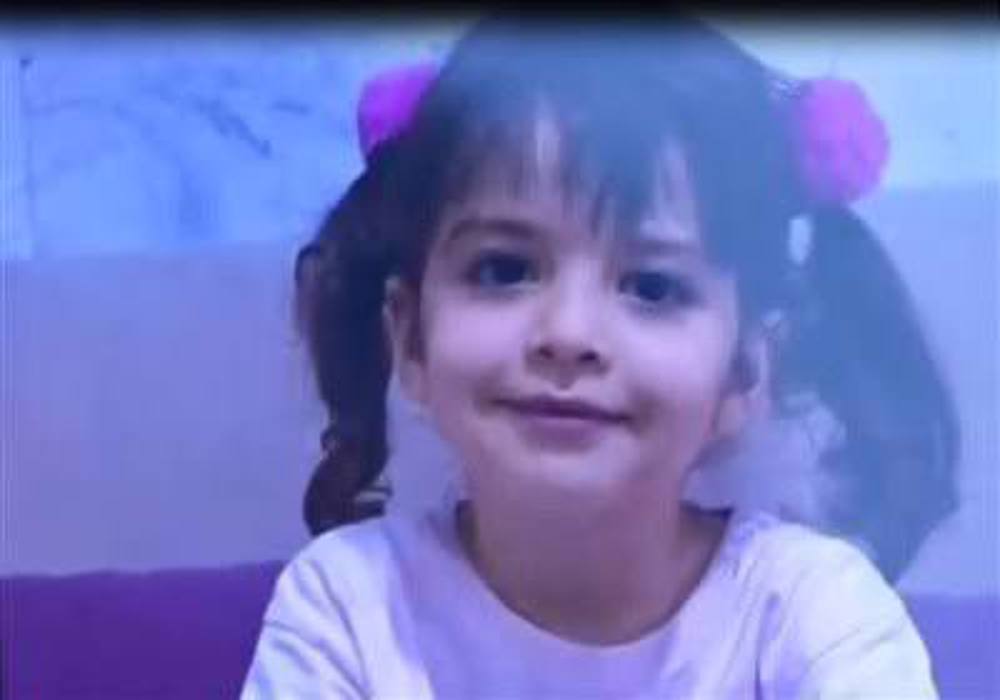
Three-year-old Melina was sick with a cold. Her father, concerned for her health, took her to the pharmacy to get medicines. A tender soul, she was unaware of the chaos unfolding around her.
Her only concerns were the small joys of childhood: playing, giggling, and admiring her braided hair.
On January 8, 2026, as her father carried her through the street, gunfire erupted. A bullet struck Melina, piercing through her body.
Her father recounted the horror and the way his little and happy world came crashing down.
“The moment I realized what had happened, her blood drenched my hands and clothes. I held her lifeless body in my arms," he was quoted as saying.
The devastated father kept on repeating in anguish that his hands were soaked in Melina’s blood: “Her blood on my hands, on my clothes… I will carry this forever.”
For days, Melina’s mother remained speechless, unable to process the sight of her beloved child’s lifeless and bloodied body in her husband’s arms.
At the funeral, Melina’s mother described her daughter’s final moments, noting the dryness in her throat and her likely discomfort before she died.
She recalled that when they asked her to see Melina in a mortuary, her eyes were open, as if she wanted to see her mother one last time. At the time of the burial, her eyes were closed.
In her grief, she drew a connection to Ashura, recalling the accounts of Imam Hussain’s (AS) young daughter, Lady Rukayyah, whose lips had dried from thirst in Karbala.
For Melina's mother, the loss of her three-year-old echoed that historic scene of a child caught in unimaginable suffering.
Both parents said they want the Iranian security forces to apprehend the killers of Melina and other Iranian children who were martyred in the recent terrorism.
Anila Abu Talibian: Dreams shattered
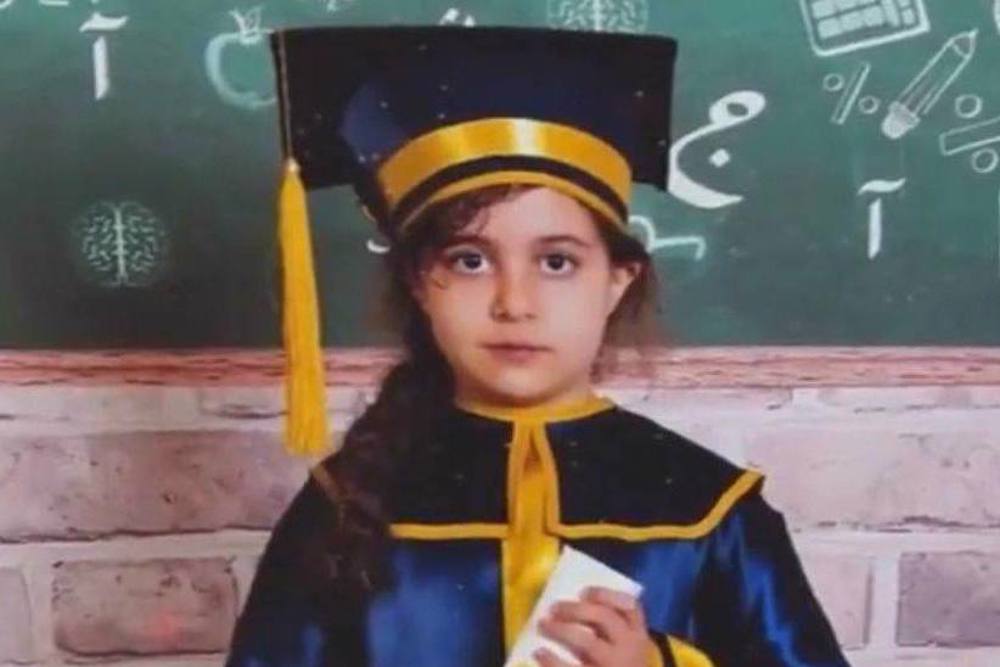
In Isfahan, eight-year-old Anila Abu Talibian’s day began like any other. Her father took her out for an ice cream, a moment of joy for the young girl.
A bullet struck her while she was waiting for her treat in the car, and her grandmother, also inside the car, was injured but somehow survived the attack.
Anila had long dreamed of being famous. “I want to be a princess,” she told her parents, “to give orders to everyone, to be above everything. I want to be a singer, a player, anything that makes me known,” her aunt recalled.
In a tragic turn, Anila gained attention because of her death. Her father said that she "became famous, but through martyrdom.”
In her home, reeling from the loss, her mother prepared a symbolic wedding spread for Anila, placing a crown and a white bridal dress on the eight-year old's body.
Anila’s story mirrors that of Melina and Bahar, a tragic testament to the merciless targeting of children.
The youngest victims became unintended examples of the human cost of these foreign-backed coordinated attacks.
Across multiple cities, the attacks followed a similar pattern. Armed foreign-backed terrorists targeted without distinction, including adults, security personnel, and children.
The terrorists, who took hefty money from their handlers abroad, used bullets, knives, and cleavers, leaving Iranian families vulnerable to sudden violence.
Witnesses described the attacks as deliberate acts of terror rather than protest. The experiences of families who lost young children in these events serve as firsthand testimony to the scale and intent of the violence, they said.
Iranian authorities have maintained that these acts of terror were part of a broader attempt to destabilize the country and give a fresh impetus to their "regime change" project, but it again failed.
Two years after Israel’s pager terrorism in Lebanon: Scars, loss, and the will to carry on
The story of Naqaa Hamed, Press TV’s West Bank correspondent abducted by Israeli regime forces
Art of killing innocents: How US ‘precision’ missiles turned southern Iran wedding into a massacre



Persian Gulf markets plunge as Yemeni forces strike Riyadh
VIDEO | Iran war will break America
Iran Open RoboCup brings together 700 teams and around 2,000 young robotics innovators
VIDEO | News Review: Trump’s move to ban several media outlets from WH draws condemnation
VIDEO | US uses threat of drug cartels to justify Venezuela invasion: Commentator
VIDEO | Police clash with far-right protesters in The Hague
How Iran turned US military and economic aggression into strategic leverage to dictate terms
‘No restraint’ against any aggression: Iran's top military command warns US, its regional allies


 PressTV NEWSLETTER
now
PressTV NEWSLETTER
now
 This makes it easy to access the Press TV website
