Israeli military chief warns Netanyahu, Katz of manpower crisis undermining military readiness
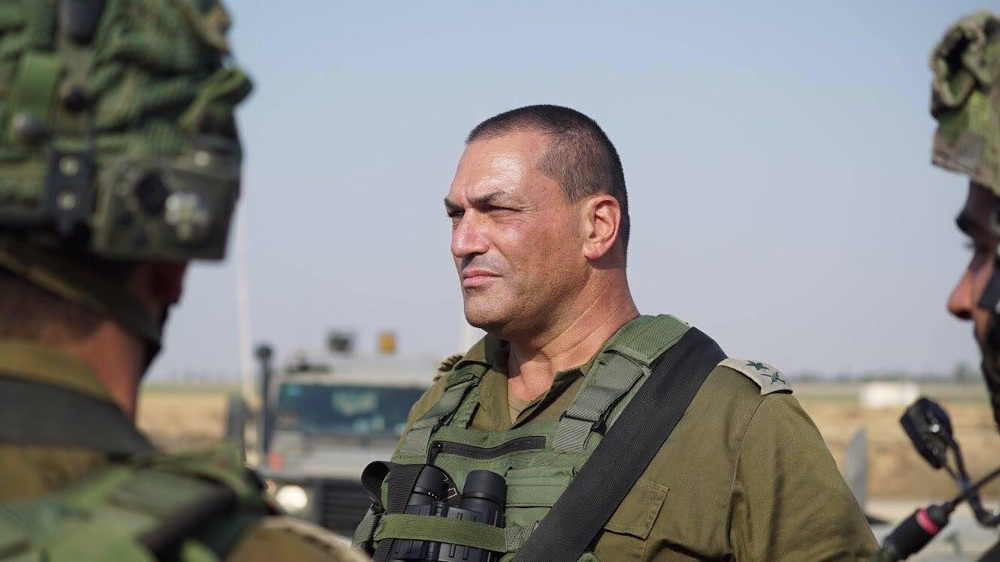
The Israeli military's chief of staff has warned prime minister Benjamin Netanyahu and minister of military affairs Israel Katz that a severe manpower shortage is undermining the regime’s military preparedness.
In a letter dated January 11 and first reported by Israel’s Channel 12, Eyal Zamir cautioned Netanyahu, Katz, and the head of the Knesset foreign affairs committee, Boaz Bismuth, that the military is facing a critical shortage of personnel that threatens its ability to function effectively.
Zamir highlighted deteriorating manpower levels after more than two years of sustained warfare across West Asia, with the heaviest toll coming from the regime's genocidal war on Gaza and outlined how the strain is spreading across the armed forces, weakening operational capacity and long-term readiness.
Israel’s genocidal war in Gaza has killed more than 71,000 Palestinians and wounded over 171,000 since October 7, 2023.
During the same period, the regime has carried out military aggression beyond Gaza, including strikes targeting Iran, Yemen, Lebanon, and Qatar, further stretching its forces.
“The shortage is not theoretical,” Zamir wrote, warning that it could cause tangible harm to the military's readiness as early as next year “due to ongoing security pressures.”
He also pointed to the political paralysis surrounding legislation that exempts ultra-Orthodox (Haredi) Jews from military service, stressing the urgent need to extend the length of compulsory service for conscripts.
An estimated 80,000 ultra-Orthodox men between the ages of 18 and 24 are eligible for service but remain unenlisted, a disparity that has fueled resentment among non-Haredi settlers who have been sent repeatedly to the front lines.
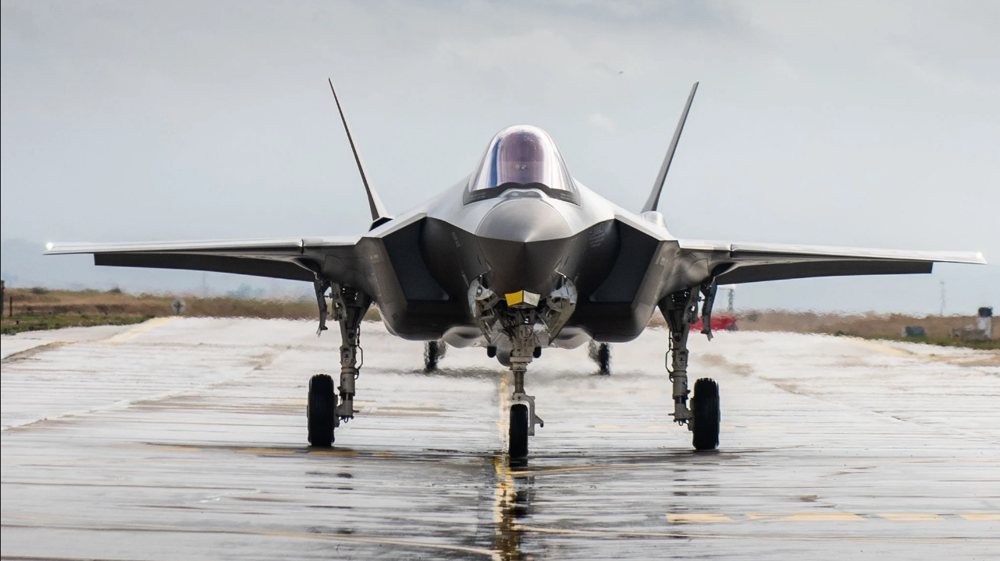
Israeli armed forces have said they urgently require 12,000 additional recruits, most of them combat troops, as standing and reserve units are worn down by the genocide in Gaza and what the military refers to as “other military challenges.”
Zamir warned that delays in legislative action are unfolding during a “security-sensitive” period, when “the army needs large numbers of soldiers to meet the demands of the current phase.”
He added that the consequences of the manpower crisis are expected to intensify and “become even more serious starting from January 2027.”
He explicitly called for the immediate extension of compulsory military service for men to 36 months, emphasizing that the measure should also apply retroactively, further highlighting how the regime’s prolonged wars are forcing ever harsher demands on its own population
Israel to expand Gilo in occupied East al-Quds with 2,300 settler units
Israeli forces attack Press TV reporter covering Qalandiya raid in occupied West Bank
Emails show UN official repeatedly shared confidential information with Israeli diplomats



US judge halts order requiring Trump to hand financial records to BBC
VIDEO | 'Brain injuries destroying the morale of US military'
VIDEO | Press TV's news headlines
US resumes $500 million cash shipment to Iraq amid control of oil revenues
Israel strikes Syria as Turkish FM visits Damascus, exposing rivalry for control
US relocating refueling aircraft from Israeli-occupied lands: Report
Rome talks fail as Israeli artillery rains death on Lebanon
Meta ordered to pay $567 million over child mental health harms in US




 PressTV NEWSLETTER
now
PressTV NEWSLETTER
now
 This makes it easy to access the Press TV website
