

Major American energy firms show little appetite for returning to Venezuela, CNN reports, exposing what critics describe as the hollowness of President Donald Trump’s aggressive rhetoric and his openly stated ambition to control Venezuela’s oil.
Despite Trump’s repeated claims that US oil companies are eager to seize Venezuela’s vast energy resources, the American broadcaster cited industry executives as saying that the reality on the ground makes such ambitions economically reckless and politically toxic.
The reluctance, they say, highlights the gap between Washington’s coercive foreign policy posture and the hard limits imposed by markets, risk and law.
Trump’s renewed push follows years of US pressure on Venezuela that critics describe as economic warfare, including sweeping sanctions, asset freezes, recognition of parallel authorities, and the seizure of Venezuelan state assets abroad.
Trump’s public enthusiasm about US companies taking over Venezuela’s oil sector has alarmed industry insiders rather than inspired them.
Trump says US will be ‘very strongly involved’ in Venezuela’s oil industry https://t.co/nBFQsSqZYP
— Press TV 🔻 (@PressTV) January 3, 2026
One senior energy source told CNN bluntly that “the appetite for jumping into Venezuela right now is pretty low,” adding that companies have no confidence in the political environment Washington itself has destabilized.
Executives cited uncertainty over governance, security and legal protections—conditions worsened, not improved, by years of US intervention.
Another industry source said the Trump administration had put “rhetoric before reality” and stressed political stability is “paramount” when companies weigh investing overseas.
“Just because there are oil reserves – even the largest in the world – doesn’t mean you’re necessarily going to produce there. This isn’t like standing up a food truck operation,” the source added.
While White House spokeswoman Taylor Rogers told CNN that American firms are “ready and willing” to rebuild Venezuela’s oil infrastructure, multiple sources contradicted that narrative.
CNN reported that earlier outreach by Trump officials revealed deep reluctance among energy companies to commit capital, despite pressure from Washington.
Years of sanctions, financial isolation and underinvestment, much of it driven by US-led pressure, have left Venezuela’s oil sector in disrepair.
“Venezuela is broke,” Luisa Palacios, a former Citgo chairwoman, told CNN. “The national oil company is in disarray.”
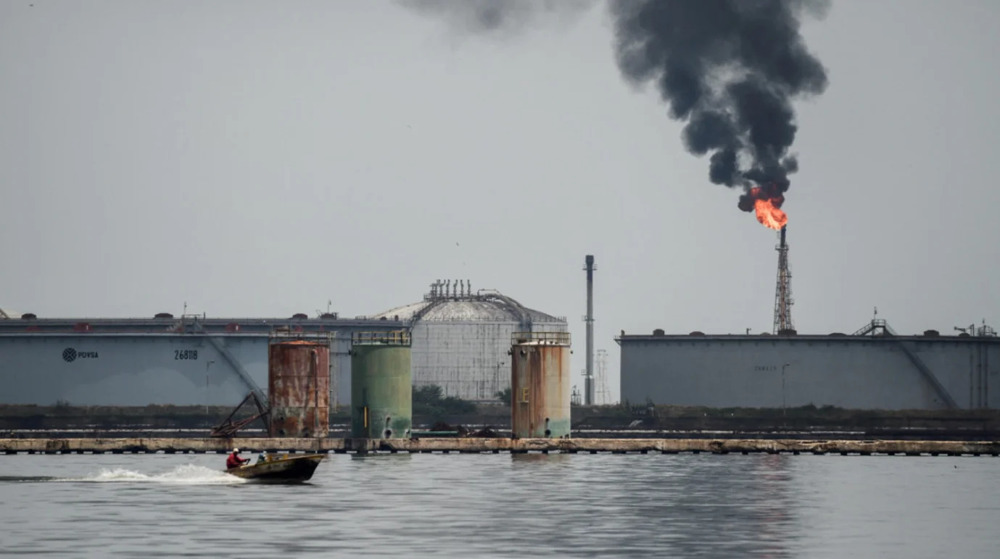
According to estimates cited by CNN from Rystad Energy, merely maintaining current production would require about $53 billion over 15 years. Restoring output to historic levels would demand an eye-watering $183 billion through 2040.
That investment burden is compounded by the fact that much of Venezuela’s oil is heavy crude, far more expensive to process than US shale oil.
At the same time, oil prices remain relatively low, making high-risk projects even less attractive. “The idea that there will be an overnight restart of the Venezuelan oil industry is just unrealistic,” Wolfe Research analyst Doug Leggate told CNN.
Chevron is the lone US major with a significant footprint in Venezuela, producing under a sanctions license extended by the Trump administration. Analysts told CNN it is uniquely positioned, but even Chevron declined to say it would expand operations.
Other companies, such as ExxonMobil and ConocoPhillips, had assets seized during earlier nationalizations. Palacios underscored the distrust that years of US confrontation have entrenched, making the country not a welcome territory even under a subservient regime.
 This makes it easy to access the Press TV website