High tech Abu Mahdi Al-Muhandis corvette class Catamaran
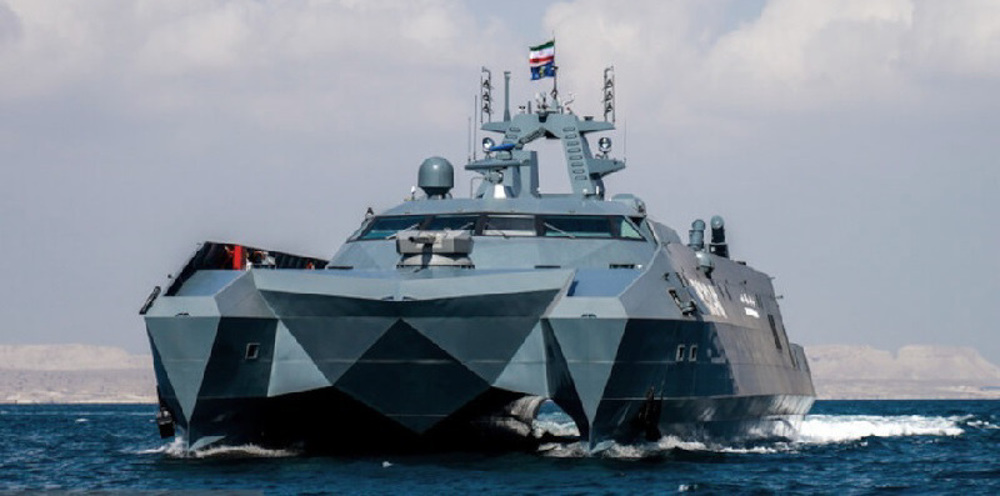
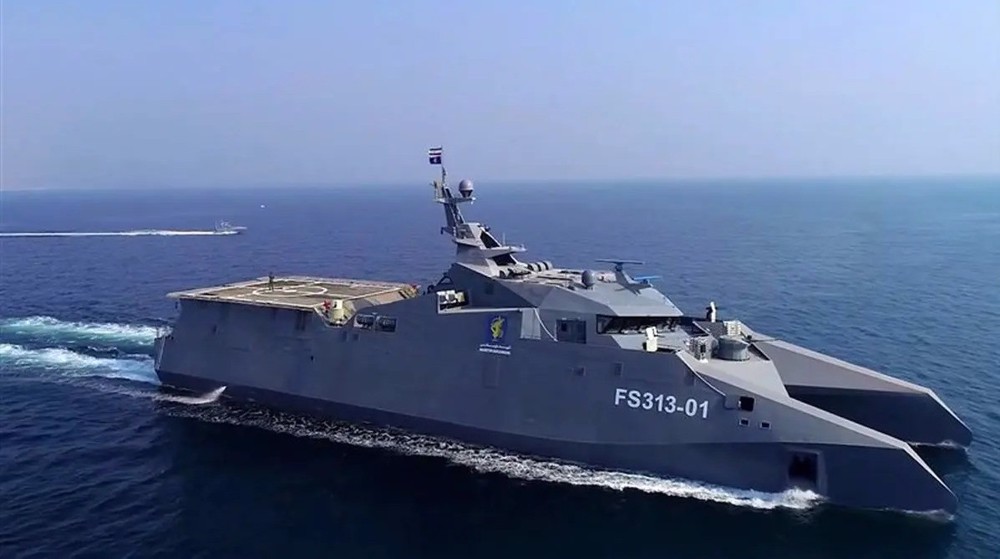
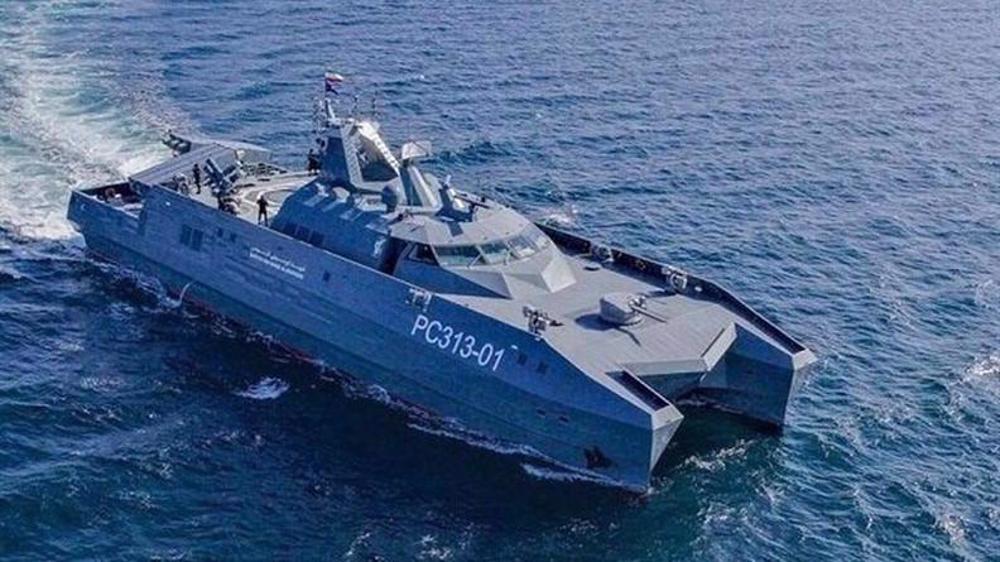
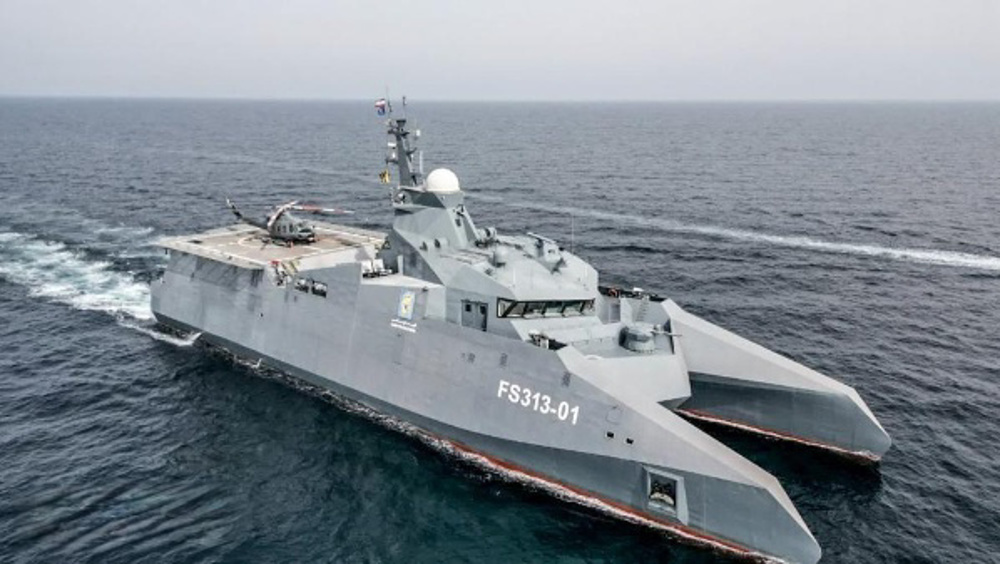
The Abu Mahdi Al-Muhandis, an advanced Iranian corvette, is designed for fast attack and rapid response in confined waters like the Persian Gulf. Its catamaran design, primarily constructed from aluminum, enhances stability, speed (up to 38 knots), and survivability.
This ship is designed for fast attack, rapid response, and survivability in confined waters, particularly environments like the Persian Gulf, where speed and maneuverability matter more than sheer size.
Unlike traditional frigates or destroyers that rely on layered fleets and line deployment cycles, this vessel is meant to operate independently or in small groups, striking quickly and repositioning before detection or retaliation.

Its catamaran design isn't just about speed.
By splitting the hull into two parallel bodies, the ship gains exceptional stability at high velocity and significantly reduced drag, which allows it to maintain speed even in rough seas, something similarly sized single-hull ships struggle with.
This design philosophy reflects a shift in naval thinking, small, fast, hard to track platforms carrying disproportionately powerful weapons; in modern naval warfare, that asymmetry can be more valuable than raw tonnage.
The size of the vessel allows for rapid deployment and tight maneuvering, thus it can operate close to coastlines, navigate crowded waters, and adjust tactics dynamically; something larger vessels cannot do as effectively.
The choice of aluminum in its construction plays a major role here. Aluminum significantly reduces overall weight, which directly translates to higher speed and improved fuel efficiency, but it also enables modular construction, allowing systems to be repaired or upgraded more quickly than traditional steel hulls.
Combined with the catamaran layout, this creates a vessel that is not only fast, but also redundant by design, even in damage scenarios, critical systems can remain operational, a key advantage in the hit and run naval doctrine.
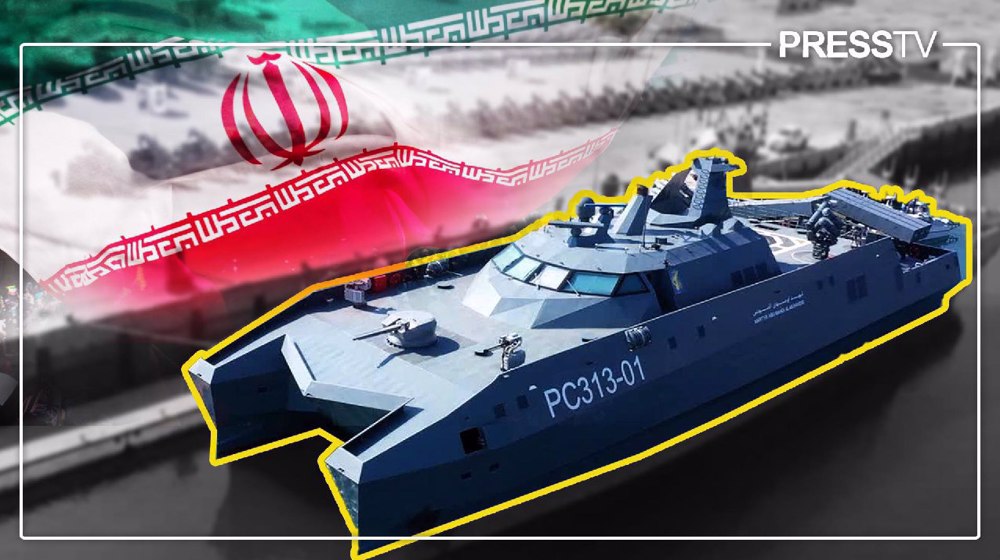
This approach reflects an emphasis on survivability through agility rather than armor. The goal is to avoid being hit in the first place, and if hit, to remain functional long enough to withdraw or continue the mission.
Missile Range figures are often misunderstood and sometimes intentionally left vague. What matters more than a single number is flexibility.
The Abu Mahdi Al-Muhandis is equipped with surface-to-surface missiles designed for different engagement distances, allowing commanders to select the appropriate weapon depending on the target and tactical situation.
Rather than acting as a long-range strike platform like a destroyer, this ship focuses on precision strikes within regional waters, where intelligence, speed and positioning matter more than extreme range.
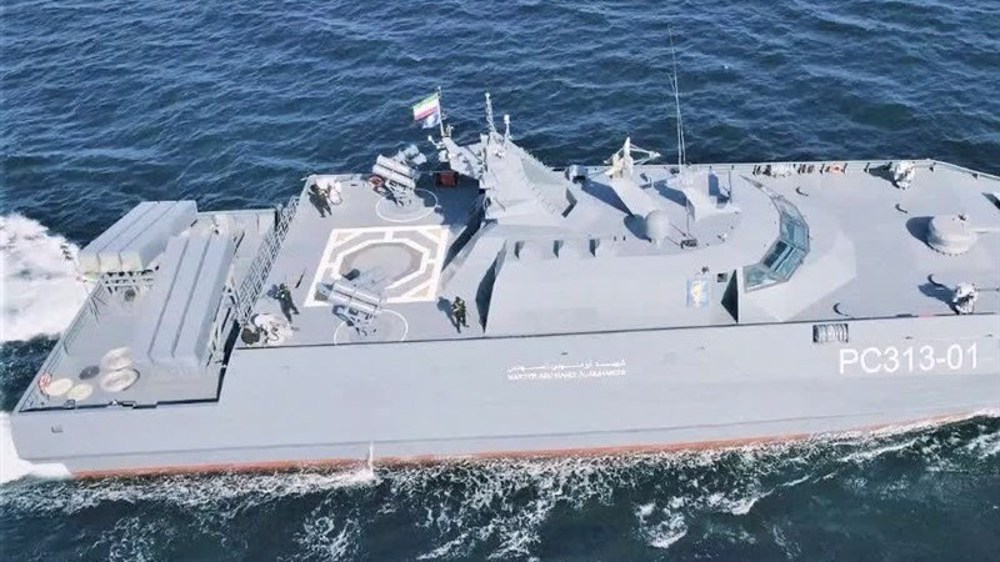
With its speed approaching 38 knots, the ship can reposition rapidly, launch and disengage before an enemy can respond effectively. In narrow maritime zones, that combination of speed and firepower creates a serious deterrence, even against larger opponents.
The UAV deck adds another layer to the ship's operational reach. Vertical Take Off drones allow the crew to extend surveillance far beyond the horizon without relying on external assets; these drones can scout ahead, monitor nearby vessels and relay real-time intelligence back to the ship, effectively turning the Abu Mahdi Al-Muhandis into a mobile sensor platform, not just a weapons carrier.
In modern naval operations, information dominance is as important as firepower. The integration of UAVs ensures this ship is not operating blindly, even at high speed or in contested waters.
The automatic cannons mounted around the Abu Mahdi Al-Muhandis serve a very specific purpose: close-in defense.
These systems are designed to react faster than human operators tracking incoming threats, such as drones, small boats, or low-flying projectiles, in seconds.

What matters here isn't range, it's reaction time. In modern naval combat, especially asymmetric warfare, threats often appear suddenly at close distances. AI-assisted targeting systems allow these weapons to detect, track, and engage multiple targets simultaneously, even while the ship is moving at high speed.
Each cannon is integrated into a networked control system inside the ship, enabling coordination across all five mounts, which ensures overlapping coverage and prevents gaps in defense.
By automating this process, the ship gains a rapid, reactive layer of protection that significantly increases its survivability against both conventional and unconventional threats, even when facing multiple targets at once.
This isn't just a warship, it's a design philosophy.
The Abu Mahdi Al-Muhandis shows how speed, modular construction, unmanned systems, and layered firepower can be combined into a compact platform built for modern maritime conflict.
In an era where naval dominance is no longer defined by size alone, ships like this redefine how presence, deterrence, and capability are projected at sea.

Paris silencing pro-Palestine voices

In longest-ever State of Union address, Trump tries in vain to convince nation US is 'winning'

Peter Mandelson suspected of misconduct in public office as UK envoy to US



Two US aircraft targeted in West Iraq
Iran defends right to self-defense in Strait of Hormuz, slams US aggression
IRGC hits Israeli military sites, US bases in major offensive
IRGC Navy’s strike damages US aircraft carrier Abraham Lincoln
Iraq's resistance groups strike down US Air Force KC-135 aircraft
Iran FM criticizes US for failure to engage constructively on nuclear matters
Iran warns Trump over threat to target electricity infrastructure
Iraqi mobilization forces blast deadly US strikes across Iraq




 PressTV NEWSLETTER
now
PressTV NEWSLETTER
now

 This makes it easy to access the Press TV website
