UN experts urge UK to protect Palestine Action hunger strikers’ lives, rights

A group of UN human rights experts have expressed grave concern for the lives and fundamental rights of hunger-striking prisoners affiliated with the British pro-Palestinian group Palestine Action, warning they risk organ failure and death after seven weeks of hunger strike.
“Hunger strike is often a measure of last resort by people who believe that their rights to protest and effective remedy have been exhausted,” the seven experts who work independently of each other said on Saturday.
As the pro-Palestinian detainees commence the second month of their strike, reports indicate that their health condition has significantly worsened, putting them at a critical risk of severe complications, such as organ failure, irreversible neurological damage, cardiac arrhythmias, and death.

“The State’s duty of care toward hunger strikers is heightened, not diminished,” the experts said. “Authorities must ensure timely access to emergency and hospital care when clinically indicated, refrain from actions that may amount to pressure or retaliation, and respect medical ethics.”
The UN experts noted that respect for the right to health is applicable to everyone, including persons deprived of their liberty.
States, they said, must respect individual autonomy, ensure continuous, independent medical monitoring, provide accurate information about health risks, and take all necessary steps to protect life and prevent irreversible harm, without resorting to coercive or punitive measures.
The experts also expressed concerns regarding the treatment of the hunger strikers, including reported delays in accessing medical care, use of excessive restraint during hospital treatment, denial of contact with family members and legal counsel, and lack of consistent independent medical oversight, particularly for detainees with serious pre-existing health conditions.
“These reports raise serious questions about compliance with international human rights law and standards, including obligations to protect life and prevent cruel, inhuman or degrading treatment,” they said.
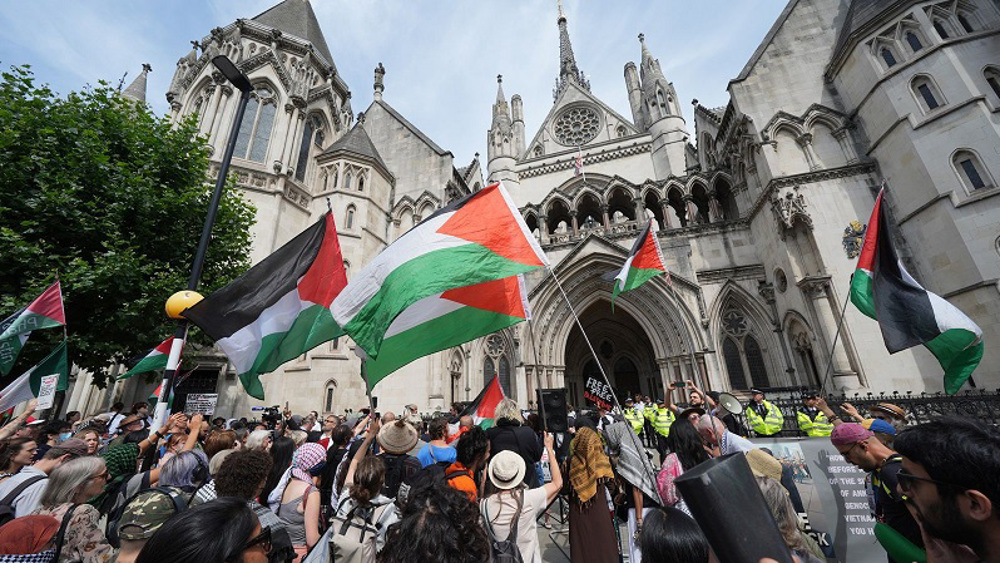
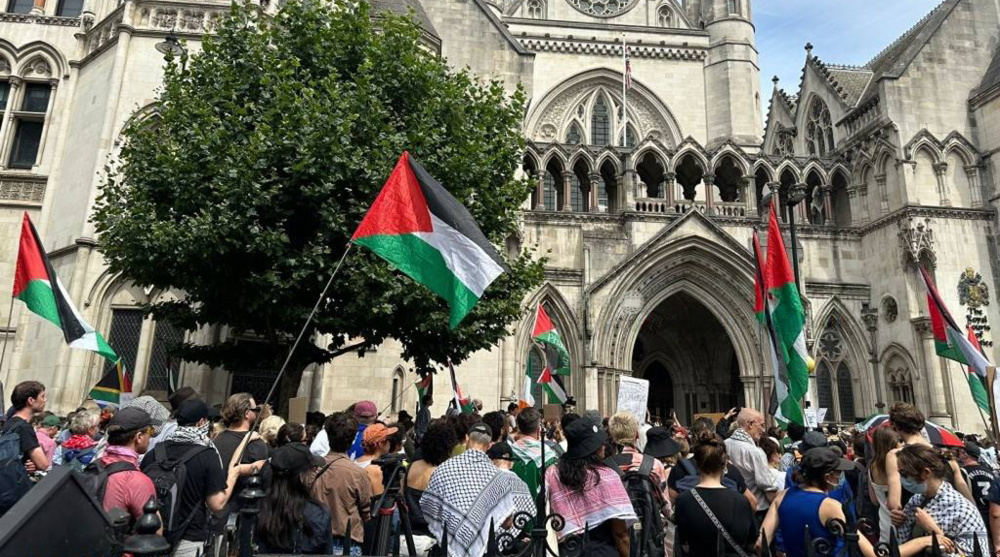
They also expressed serious concern as to the overbreadth of the definition of terrorism under UK law, the proscription of Palestine Action under the Terrorism Act 2000, and the subsequent mass arrests and criminal charges, including terrorism-related offenses, brought against individuals for support for Palestine Action.
“These hunger strikes must be understood within the broader context of restrictions on pro-Palestinian activism in the UK,” the experts said, noting that the detainees are held in connection with protest-related activity.
They urged the United Kingdom to immediately guarantee appropriate healthcare for all hunger strikers, and engage in meaningful dialogue and action to address not only the protestors’ demands, but also underlying rights violations, and an end to the repression of Palestine activism.
Among the UN experts who signed the statement are Francesca Albanese, the UN special rapporteur for the Palestinian Territories, and Gina Romero, UN special rapporteur on the freedom of peaceful assembly.
Four of the eight hunger strikers have paused their action, while four others vowed to continue.
The United Nations’ appeal for immediate action follows the statement from attorneys representing eight hunger-striking prisoners, indicating that the UK’s Justice Secretary, David Lammy, declined their request for urgent negotiations.
The attorneys are going to initiate legal proceedings against the UK government for its refusal to engage in discussions with them.
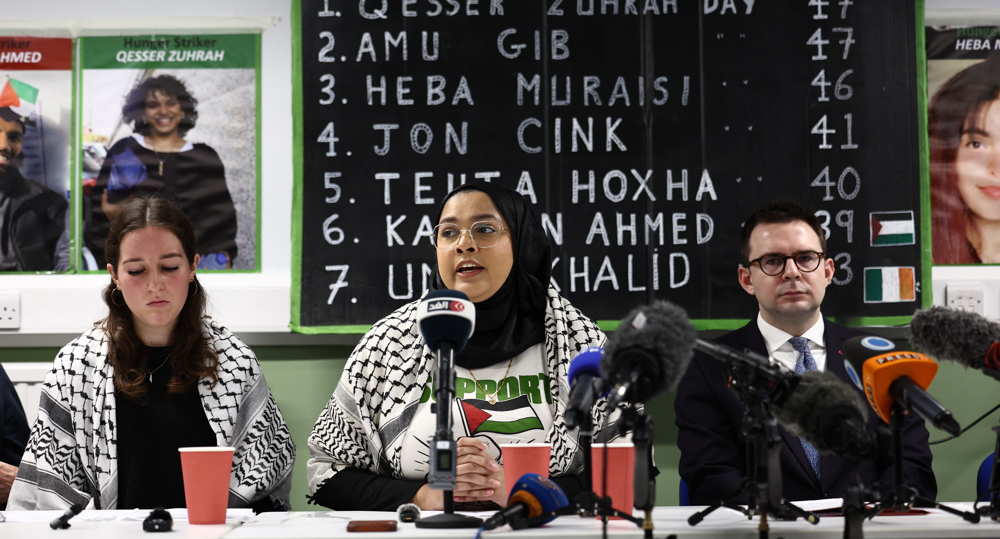
The detainees, who are on hunger strike, are being held on remand in five prisons over their alleged involvement in break-ins at factories of Israeli arms manufacturer Elbit Systems and a Royal Air Force base in Oxfordshire. The eight detainees deny the charges.
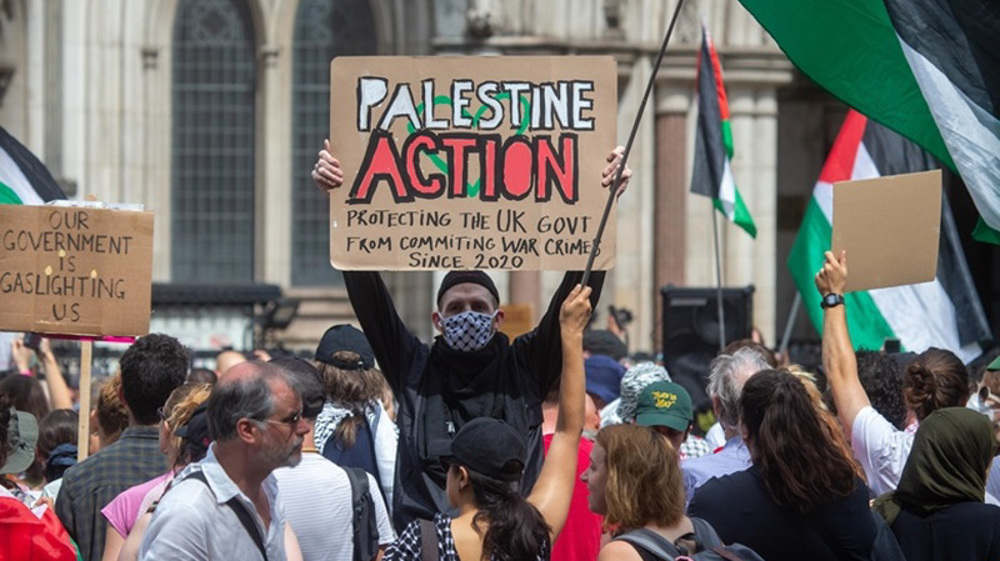
The hunger strikers’ demands include immediate bail, the right to a fair trial, and the de-proscription of Palestine Action, which condemns the UK government over complicity in Israel’s war crimes in Gaza.
The protesters have called for an end to their censorship in prison, with authorities restricting access to mail, phone calls, and books.
In July, the UK government banned Palestine Action under the “Terrorism Act,” citing the group’s actions against companies associated with Israel’s military industry.
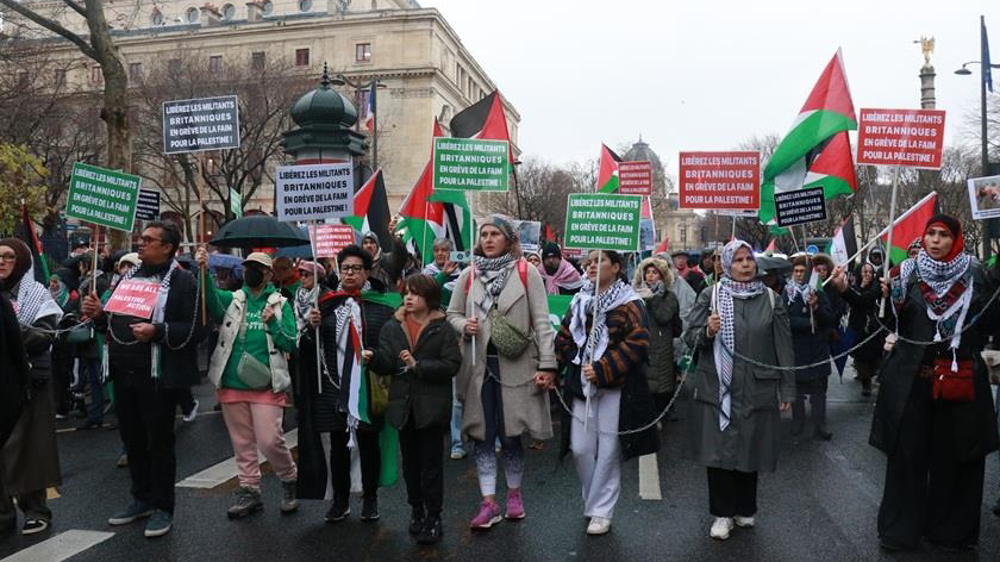
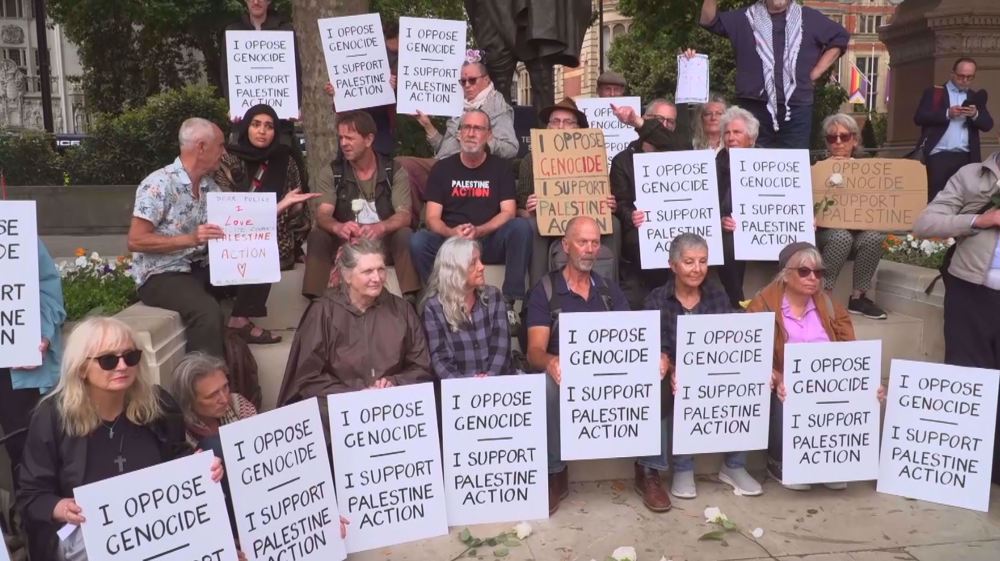
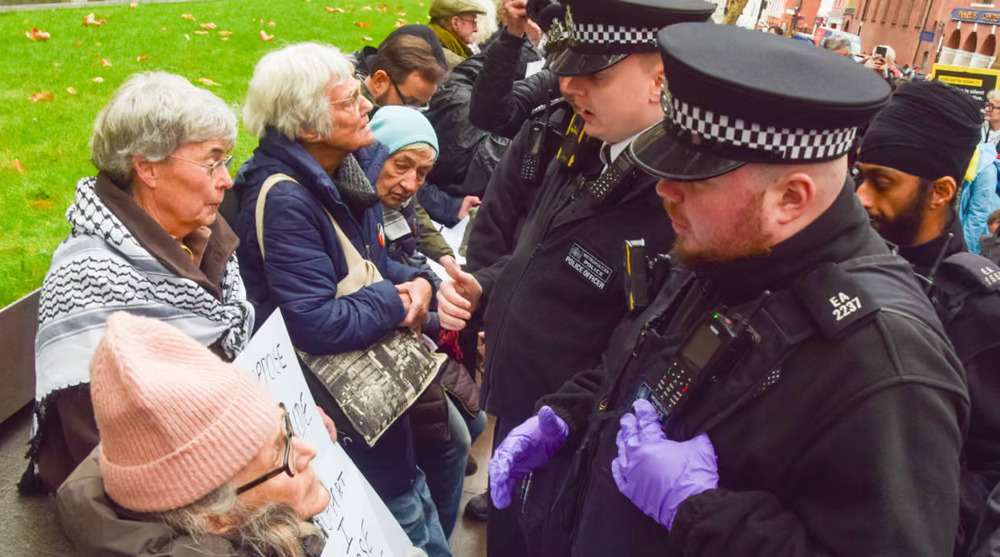
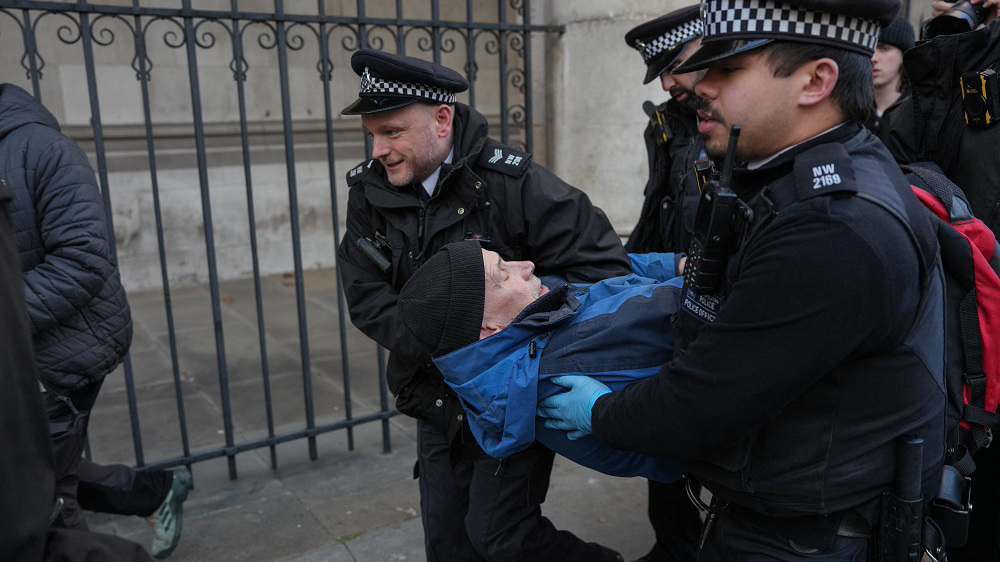
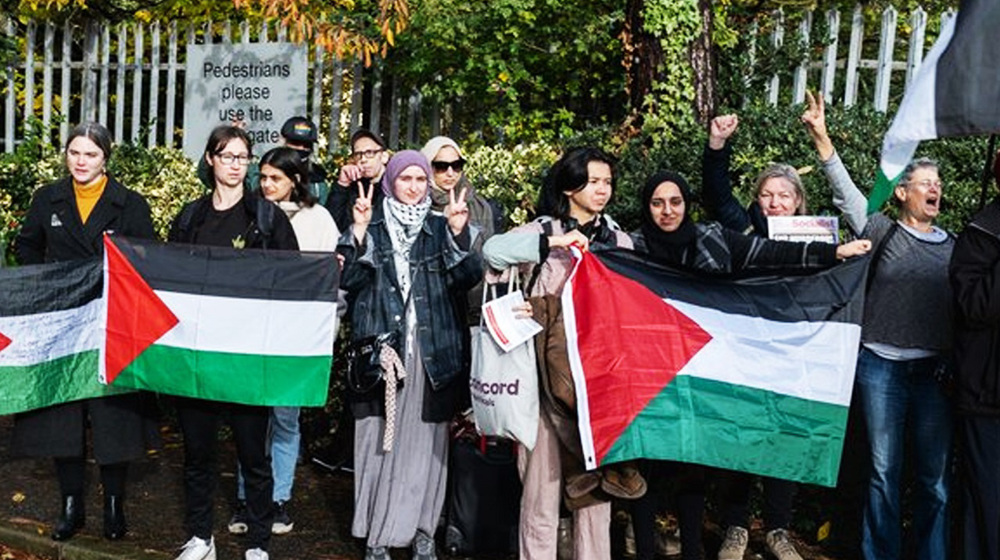
Following the group’s ban, hundreds of individuals across the United Kingdom have been arrested for protesting against the measure.
In Gaza, Israel treats children’s kites as weapons, pushing the genocidal war into new territory

Israel launches new incursion into south Syria days after Mossad chief meets HTS diplomat
Hamas: Israel systematically destroying all means of life in Gaza



Iran and resistance won against US, Israel: Ansarullah leader
US petroleum reserve plunges to 40-year low, sparking alarm over energy security
Iran launches 600 MW of renewable power projects nationwide
Iran’s Royan Institute ranks among world’s top 10 reproductive medicine centers
Iran defense chief warns of ‘expanding’ battlefield as US pushes economic war
Mustafa Prize to hold seventh edition in Aug 2027, expand outreach across Muslim world
VIDEO | 'Saudi Arabia will face a major defeat'
US has no place in future of West Asia: Iran’s top security official





 PressTV NEWSLETTER
now
PressTV NEWSLETTER
now
 This makes it easy to access the Press TV website
