Bangladesh deploys security forces as protests grow over killing of student leader
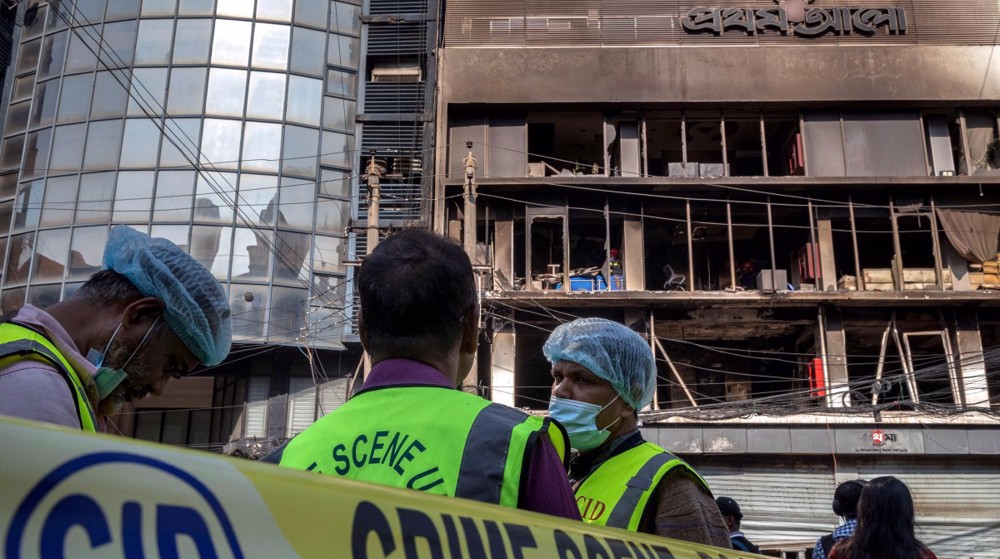
Bangladesh’s interim government has increased security deployments across Dhaka and other major cities as protests intensified following the murder of student leader Sharif Osman Hadi, a prominent figure in last year’s uprising.
Demonstrations continued on Friday, for a second consecutive day, after news emerged that Hadi, 32, died in a hospital in Singapore on Thursday.
He had been shot by masked gunmen in Dhaka last week and was flown abroad for treatment before succumbing to his injuries.
Thousands of protesters gathered in the capital and in cities including Gazipur, Sylhet and Chattogram, demanding the arrest of those responsible for the killing.
Some demonstrators carried national flags and placards, while others blocked highways, including a major road in Gazipur, north of Dhaka.
Hadi was a spokesperson for the student group Inqilab Mancha, also known as the Platform for Revolution, and was preparing to contest a parliamentary seat in elections scheduled for February 2026. He was known for his outspoken criticism of India.
Protests turned violent late Thursday, with several buildings vandalised or set on fire.
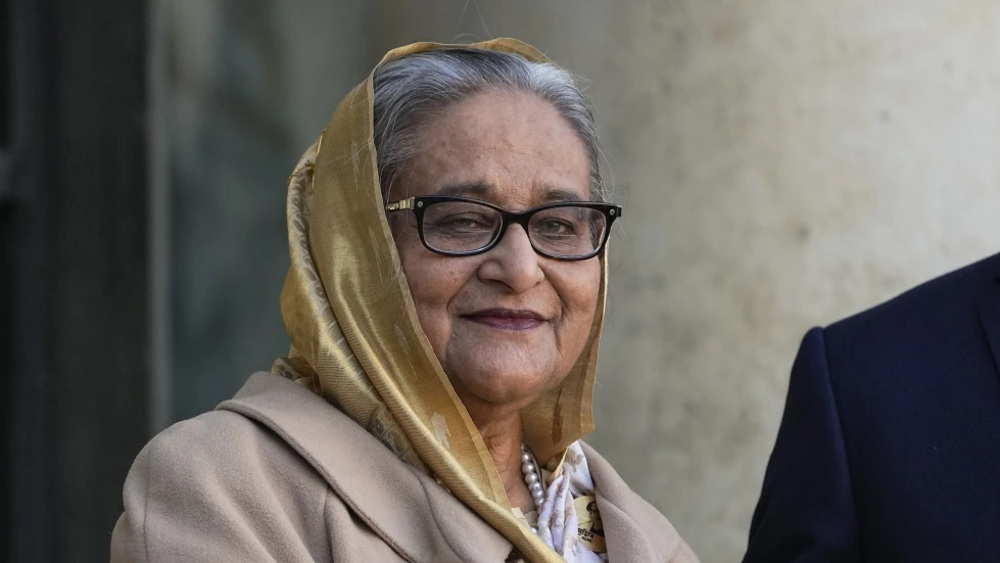
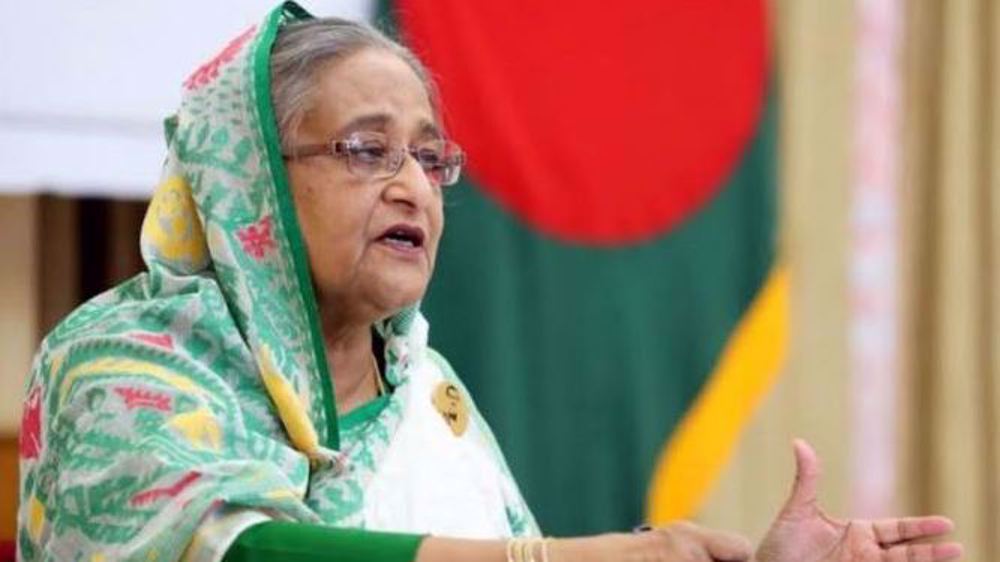
Targets included the offices of leading newspapers Prothom Alo and the Daily Star, which critics have accused of favouring India, where former prime minister Sheikh Hasina has taken refuge since being ousted during the 2024 uprising.
A Dhaka court has handed a death sentence to former Bangladeshi Prime Minister Hasina, ruling her guilty of crimes against humanity linked to the student-led protests that shook the country last year.
— Press TV 🔻 (@PressTV) November 17, 2025
Follow: https://t.co/mLGcUTSA3Q pic.twitter.com/eGvO4G30Nv
Staff members at the Daily Star were temporarily trapped as smoke filled the building before firefighters brought the blaze under control.
Sajjad Sharif, executive editor of Prothom Alo, described the incident as “an attack on freedom of the press, expression, dissent and diversity of opinion.”
Police and paramilitary forces increased patrols overnight in Dhaka and other cities amid fears of further unrest.
Footage aired on local television showed protesters also attacking the residence of a former minister and blocking traffic in parts of the capital.
The interim government, led by Nobel Peace Prize laureate Muhammad Yunus, condemned the vandalism and urged restraint.
In a statement, it said: “This is a critical moment in our nation’s history when we are making a historic democratic transition,” adding that the process must not be derailed by violence.
In a televised address following Hadi’s death, Yunus said, “His passing represents an irreplaceable loss to the nation’s political and democratic sphere.”
He called for calm, promised a transparent investigation and warned that continued unrest could undermine the credibility of the upcoming vote.
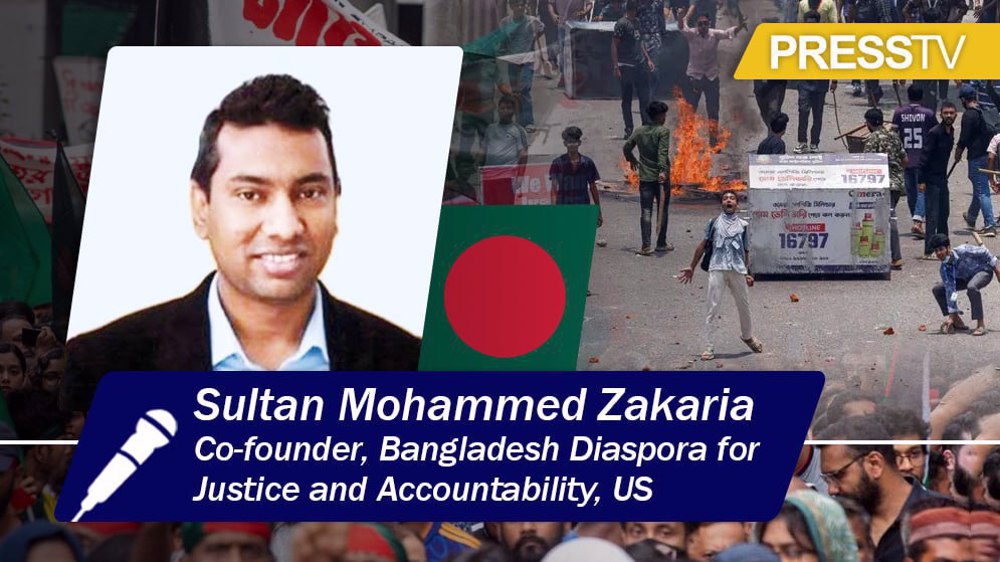
Bangladeshi police said a manhunt was underway, with photographs of two key suspects released and a reward offered for information leading to their arrest.
Hadi’s body was repatriated to Bangladesh on Friday. Inqilab Mancha said in a social media post that the vehicle carrying his remains was heading to Shahbag in central Dhaka.
At the family’s request, the group said the body would be taken to Dhaka University Central Mosque on Saturday rather than immediately.
The interim government declared Saturday a day of state mourning, ordering flags to be flown at half-staff and special prayers to be held nationwide.
The Committee to Protect Journalists also called on authorities to ensure the safety of media outlets and journalists and to hold those responsible for the attacks accountable.
The unrest comes as the interim administration faces pressure over delayed reforms and as Hasina’s Awami League remains barred from participating in the February 12 election.
Three students killed, eight wounded in Philippines school shooting
Death toll from Philippine ferry fire rises to 76

Anti-Israel protest cancels planned Jewish New Year celebrations in Thailand



VIDEO | Trump's America is dying for Israel
US visa ban on Iranian president’s media team is bid to hide the truth: FM spokesman
VIDEO | Iran fully prepared to respond to new aggression
US aggression, economic warfare amount to crimes against humanity: Iran's UN envoy
Protests erupt in US as ICE agent shoots Venezuelan driver
US pressure fuels cooperation among Muslim states: Pezeshkian
Major TV networks suspend White House pool coverage after Trump ban
US visa ban on Palestinian UN delegation violates international agreements: Hamas



 PressTV NEWSLETTER
now
PressTV NEWSLETTER
now
 This makes it easy to access the Press TV website
