Russian senators dismiss attempts to reinstate sanctions on Iran as invalid
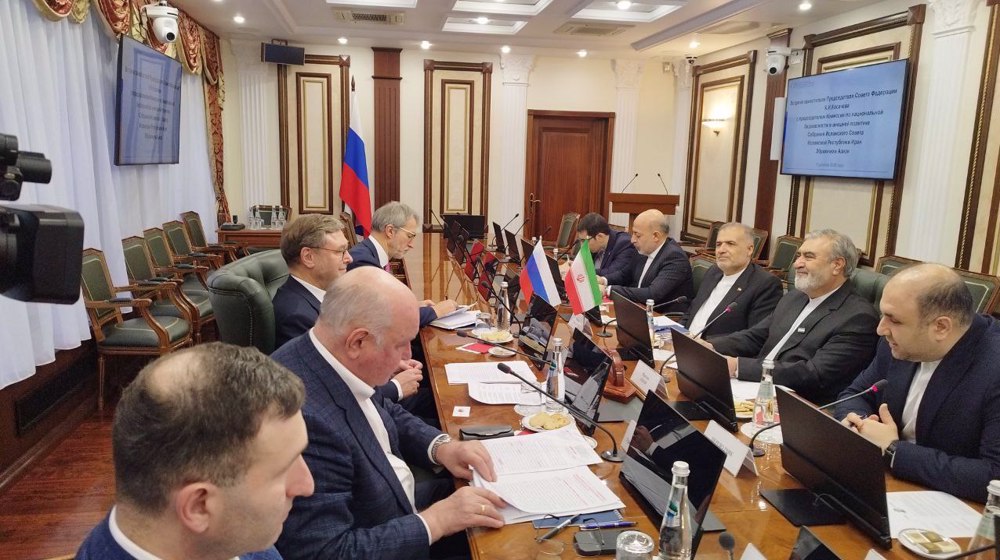
Two Russian senators have strongly rejected the European Troika’s attempts to restore sanctions against Iran as “invalid,” warning that such moves lack any legal or political credibility.
Konstantin Kosachev, Deputy Speaker of the Federation Council, and Grigory Karasin, Chairman of the International Affairs Committee of the Council, made the remarks on Monday during a meeting with an Iranian parliamentary delegation.
The Iranian parliamentary delegation, headed by Ebrahim Azizi, Chairman of the National Security and Foreign Policy Committee of the Iranian Parliament, is in Moscow to attend the 18th General Assembly of the Collective Security Treaty Organization (CSTO) Parliamentary Assembly.
Kosachev strongly condemned the hostile actions of the West toward Iran, stating that, in Russia’s view, the validity of sanctions related to Iran’s nuclear program under UN Security Council Resolution 2231 expired on October 18, 2025, and therefore any attempt by European states to revive these sanctions lacks credibility.
Karasin also slammed Western hostile measures, asserting that attempts to restore sanctions on Iran are "unrealistic and invalid."
“The Western parties have no basis for pursuing the issue of snapback and the return of sanctions on Iran,” he underlined.
In 2015, the resolution endorsed a nuclear agreement signed between the Islamic Republic and world powers earlier that year.
Its expiration on October 18 marked the termination of all the previous UNSC resolutions that had mandated the imposition of nuclear-related sanctions on Iran over Western and Israeli allegations against the country’s peaceful nuclear energy program.
The UK, France, and Germany, however, triggered the nuclear accord’s so-called “snapback” mechanism before the resolution’s expiration in a move fully encouraged by the United States.
The effort prompted the Council to announce restoration of the bans – a move deemed categorically illegal by Tehran, Beijing, and Moscow.
Kosachev also underlined that despite Russia’s steps in talks with the United States aimed at resolving the Ukraine conflict, Moscow harbors no illusions about the future of relations with the West.
Citing regional and global challenges — including in the Middle East, the Caucasus, and South America — he called for strengthening multilateral cooperation to address these issues.
Kosachev noted that with the 20-year Strategic Partnership Agreement between Tehran and Moscow now in force following its ratification by both countries, bilateral relations have reached their "highest level."
For his part, Azizi reiterated the importance of strengthening trilateral cooperation among Iran, China, and Russia, saying that deeper strategic ties among the three powers would help unlock their vast potential and promote collective security.
He also described the 20-year deal as the foundation for a "new phase" in Iran–Russia cooperation, noting that its full ratification in both parliaments has created a "favorable opportunity for both governments to advance bilateral cooperation and leverage shared capacities."
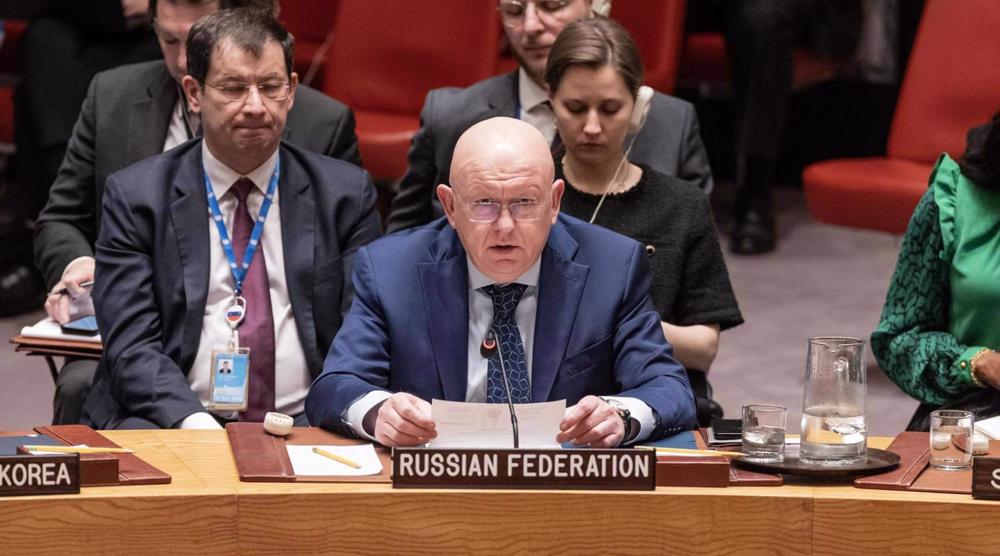
Commenting on developments in the Caucasus region, Azizi highlighted that Iran, Russia, and other regional countries should strengthen common ground and guide regional developments in favor of their nations, free from external and extra-regional interference.
“The Americans entered the South Caucasus region with an alleged peace plan and are also seeking to pursue desperate measures in Central Asia with the aim of advancing their interests; in these circumstances, the countries in the region should be vigilant and not allow the security of the region to be disrupted,” he added
Elsewhere in the meeting, Karasin pointed to the importance of the upcoming summit of Caspian Sea littoral states, which will be hosted by Iran, noting that the Caspian coastal countries must turn their shared maritime space into an opportunity to strengthen collective interests and prevent opportunistic external interference.
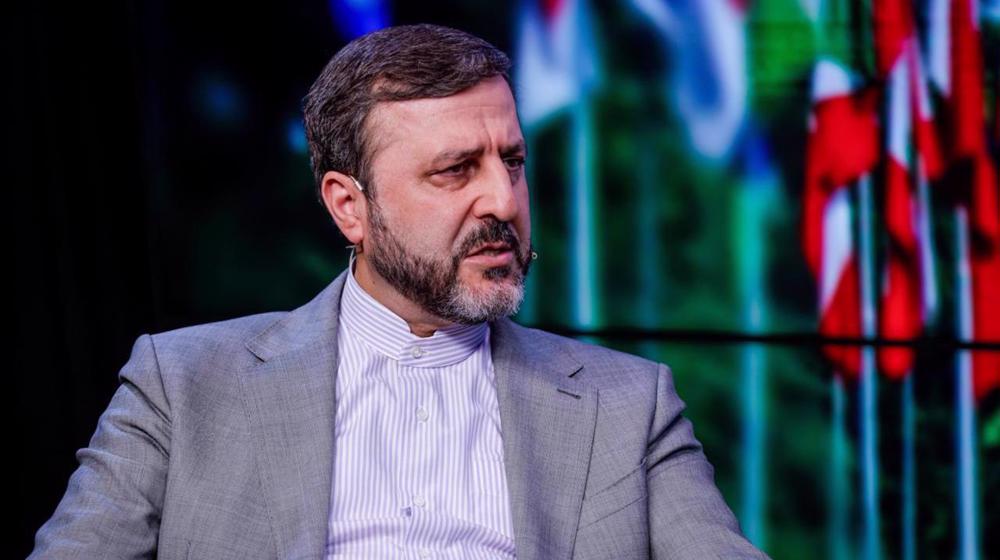
Europe was part of the infrastructure of US aggression against Iran: Deputy FM
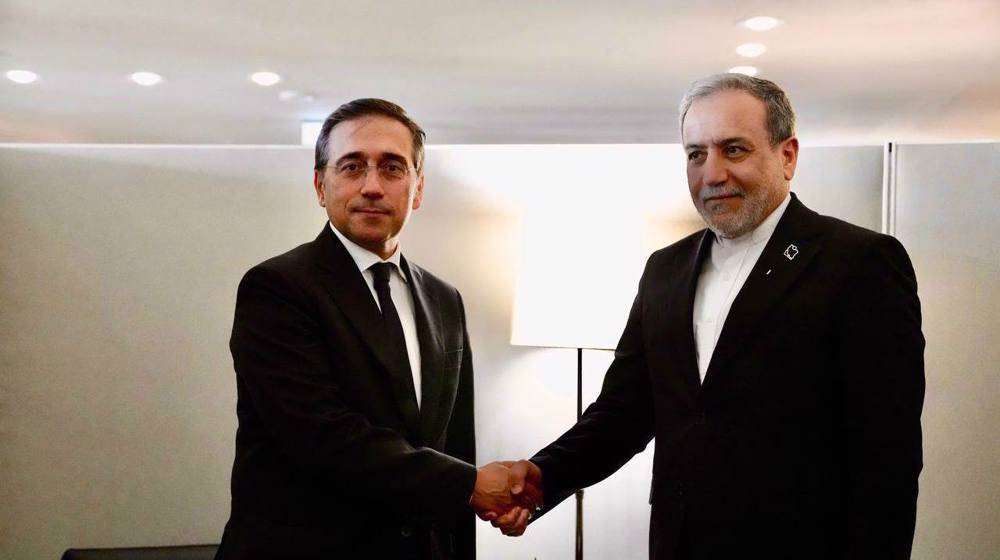
Araghchi in New York: Europe must confront US aggression
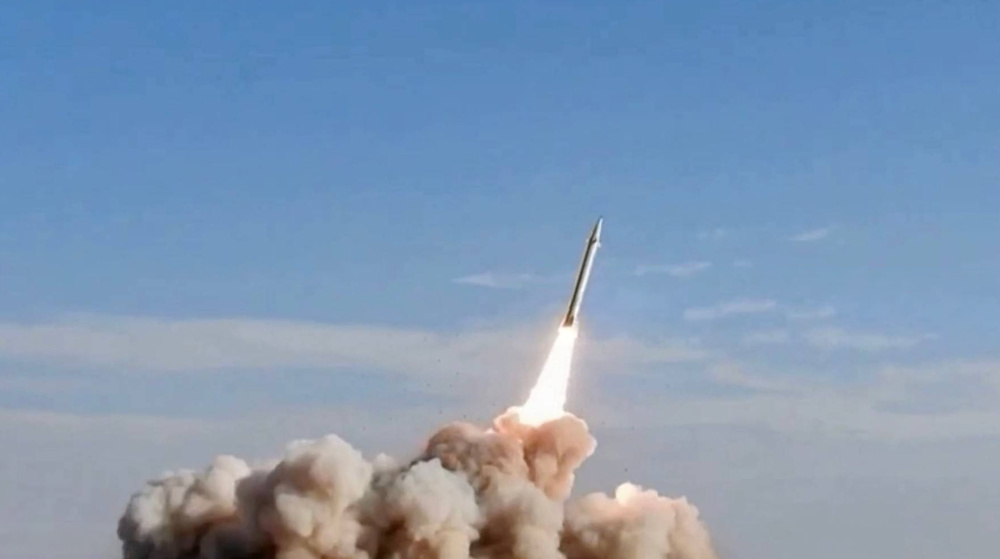
IRGC: Iran’s strikes force US toward dispersal, concealment, minimal presence



VIDEO | Pakistan executes precision strikes on 10 Afghan sites following drone incursion
VIDEO | Education in Yemen: Years of Saudi-led aggression failed stop learning
Minab’s school bell rings through grief as 168 empty desks stand as silent witnesses
Europe was part of the infrastructure of US aggression against Iran: Deputy FM
VIDEO | The pain of not being able to provide
VIDEO | US ill intentions further exposed
Araghchi in New York: Europe must confront US aggression
IRGC: Iran’s strikes force US toward dispersal, concealment, minimal presence


 PressTV NEWSLETTER
now
PressTV NEWSLETTER
now
 This makes it easy to access the Press TV website
