
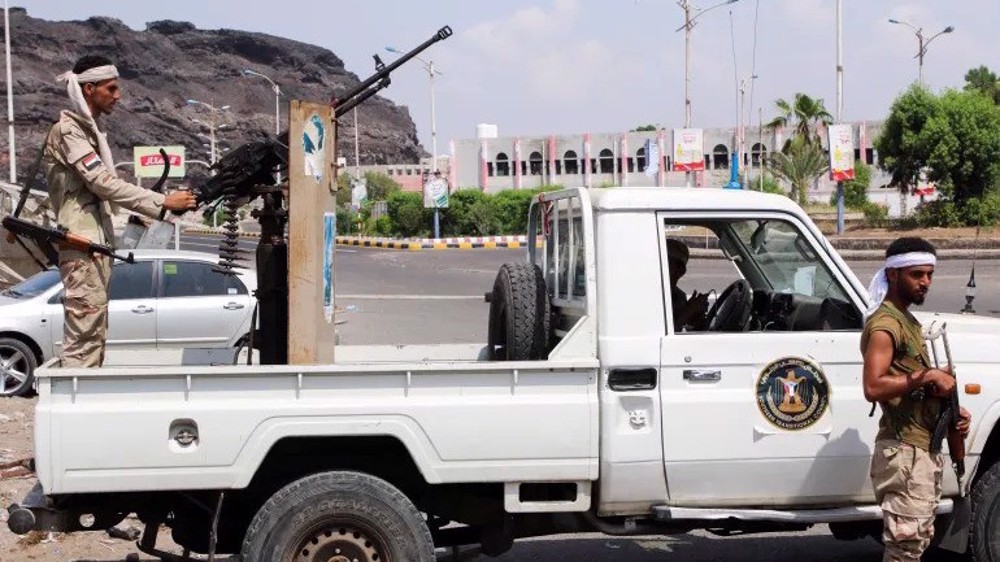
Intense fighting is underway as UAE-backed forces attempt to advance towards strategically significant areas in Yemen's oil-rich Hadramout governorate, previously controlled by Saudi-backed Yemen’s fugitive government.
Violent clashes erupted on Thursday as the UAE-backed forces sought to move towards the crucial al-Ghuraf area. This latest round of conflict follows the UAE-backed announcement of capturing Seiyun, the region's second-largest city, on December 3.
Videos posted by local activists showed UAE-backed forces storming the presidential palace in Seiyun on Wednesday.
Sources indicated that these forces were stationed in the Jathma area of the Seiyun plateau before targeting the headquarters of the Saudi-backed government in the city center.
Wadi Hadramout has witnessed large-scale offensives since Wednesday morning, accompanied by intense artillery fire. Tensions have escalated in recent weeks between the UAE and Saudi-backed forces in Yemen's largest province.
The UAE-backed administration previously called for the separation of the southern region from Yemen, controlling parts of the south, including Aden. It congratulated the people of the south on the liberation of Wadi Hadramout, stating, “We aim to control all of Hadramout.”
Hadramout, Yemen’s largest province, constitutes over one-third of the country's area and boasts oil and mineral wealth, along with a 450-kilometer coastline. The situation marks a significant escalation between Saudi and UAE-backed forces.
The UAE has been a major partner in the US-sponsored Saudi-led war against Yemen and the Ansarallah-led government in Sana’a, which began in 2015. Despite this, Riyadh and Abu Dhabi have engaged in a rivalry for control and influence over Yemen’s resources and strategic ports.
Critics accuse both countries of attempting to divide Yemen for their benefit. Observers suggest that the ongoing competition for control is disguised as support for local autonomy, with Hadramout becoming a focal point for this rivalry.
Yemen has faced external interference for decades. The Ansarullah movement controls much of the northwest, including the capital, Sana’a. This resistance has gained international attention for its operations against Israel and shipping in the Red Sea amid Israel's ongoing genocidal war in Gaza.
The US and Israel have conducted deadly attacks in Sana’a, resulting in civilian casualties.
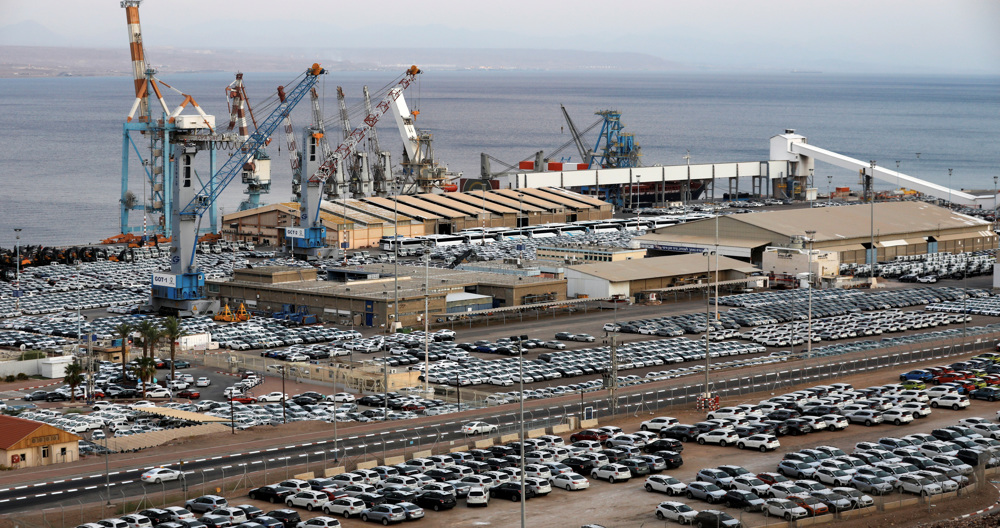
Emirati-backed forces control parts of Marib and Shabwa, where troops loyal to the Saudi-backed government are also present.
The UAE has coordinated with Israel to establish a significant military presence in Yemen’s islands. Satellite imagery shows a rapid expansion of Emirati military and intelligence bases across Yemen's islands and along the coast of Somalia since October 7, 2023, coinciding with Israel's aggression in Gaza.
Israeli sources indicate that relations between the UAE and Israel were advanced prior to formal diplomatic ties, although kept discreet.
New military installations have emerged in various locations, including areas controlled by Emirati-backed forces and regions in Somaliland and Puntland.
Key infrastructures have been developed on Abd al-Kuri Island and Samhah, part of Yemen’s Socotra archipelago.
Last year, satellite imagery revealed the construction of a new UAE airstrip on Abd al-Kuri Island.
Ansarallah and the Sana'a government have accused Abu Dhabi of forcibly evicting the people of Abd al-Kuri as part of the plan to transform the area into an Israeli-Emirati military and espionage hub.
In 2022, Socotra made headlines due to the controversy of Israeli tourists visiting the Yemeni island under a UAE-issued visa.
There are also Emirati sites at the airports of Bosaso and Berbera in Puntland and Somaliland, as well as Mocha in Yemen, and the island of Mayun in the Bab al-Mandab Strait, where 30 percent of the world’s oil passes.
Sources say all these sites have “been developed in close coordination with Israel.”
 This makes it easy to access the Press TV website