Aerials show Hurricane Melissa’s destruction in Jamaica’s Black River
Drone footage from Thursday (October 30) showed damaged buildings left without roofs, uprooted trees and debris in a residential area in Jamaica's Black River after Hurricane Melissa hit the island.
Hurricane Melissa was the first major hurricane since 1988 to directly hit Jamaica, where authorities reported at least four deaths in the southwestern region where the hurricane struck land as a powerful Category 5 storm.
Wind speeds were well above the minimum level for the strongest hurricane classification.
U.S. forecaster AccuWeather said Melissa was the third most-intense hurricane observed in the Caribbean, as well as its slowest-moving, compounding damages for affected areas.
Scientists say hurricanes are intensifying faster with greater frequency as a result of warming ocean waters caused by greenhouse gas emissions. Many Caribbean leaders have called on wealthy, heavy-polluting nations to provide reparations in the form of aid or debt relief.
Satellite imagery showed swaths of trees and homes devastated in the hardest-hit areas of Jamaica, sparse remaining greenery defoliated and most structures destroyed.
Jamaica's military called on reserve personnel to report for duty ahead of deployments for relief and rescue operations.
Over 70% of electrical customers in Jamaica remained without power as of Thursday morning, said Energy Minister Daryl Vaz, with power lines felled across the island's roadways.
Many schools remained without power or water, officials in the capital Kingston said.
(Source: Reuters)
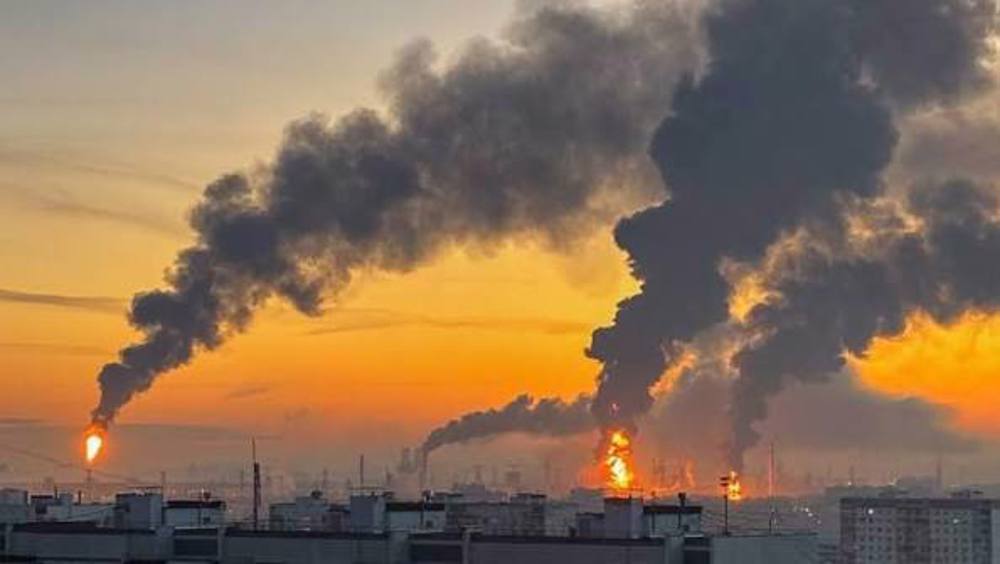
Smoke rises after drone strikes hit oil refinery in Moscow
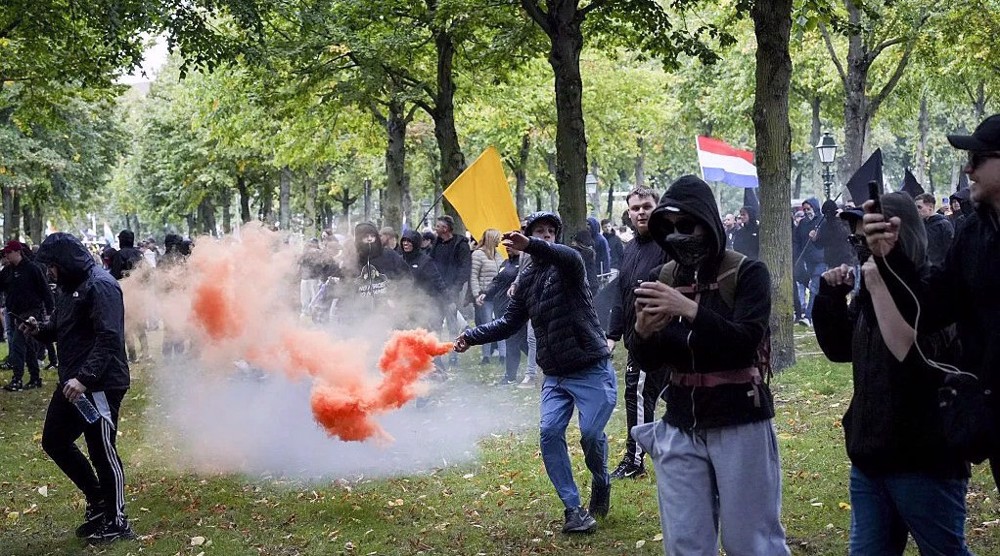
Police clash with far-right protesters in The Hague

Protesters flood Buenos Aires in rally against Milei's economic policies



Resistance operations rise across West Bank as Israel bulldozes trees, land
Jordan: The Kingdom of Compromise (Part 4)
2026 Asian Games: Iran wins four more medals as Olfati repeats vault silver
Russia slams IAEA board’s ‘disgraceful’ resolution against Iran
‘Growing isolation’: 77 delegations walk out of Netanyahu’s UN speech
Iran will respond ‘strongly’ if US continues aggression, Pezeshkian warns
VIDEO | Protest against Israeli football team in Austria
Online voices rally behind Pezeshkian’s UN speech, condemn Western double standards


 PressTV NEWSLETTER
now
PressTV NEWSLETTER
now
 This makes it easy to access the Press TV website
