Persian gum: Iran’s solution to global plastic pollution
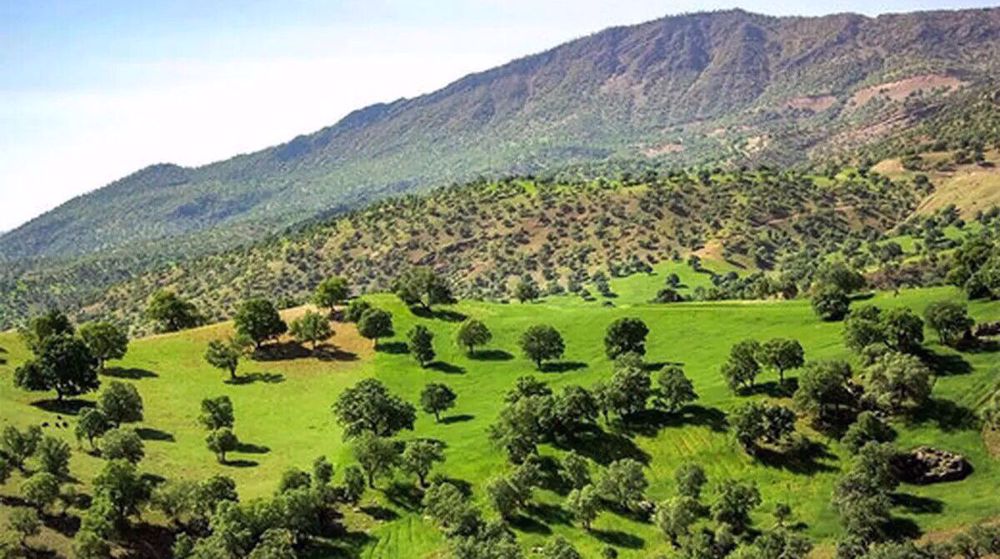
On the hillsides of Iran's Zagros Mountains, a natural resin is being harvested from wild almond trees known locally as angum and internationally as Persian gum.
Once used mainly in traditional medicine and cosmetics, this sticky exudate is now catching the attention of scientists, food producers, and environmentalists around the world.
As countries scramble to replace plastics with biodegradable materials, Persian gum is emerging as an unlikely but promising solution. For Iran, it could become a small but meaningful contributor to an economy looking to diversify beyond oil.
Persian gum is a plant-based substance with a unique set of qualities. It dissolves in water, forms thin, transparent films, and can carry natural preservatives and flavorings.
When used as a coating for fresh fruits, vegetables, or meats, it helps slow spoilage, reduce moisture loss, and protect against bacteria.
These properties are making it increasingly popular in the food packaging industry, which is under growing pressure to find alternatives to petroleum-based plastics.
Globally, the market for edible films and coatings is growing rapidly. Valued at around $2.7 billion in 2021, it is expected to double in less than a decade, driven by consumer demand for greener packaging and tighter regulations against plastic waste.
While materials like starch, alginate, and cellulose have long been used in this field, Persian gum offers a fresh option with some unique advantages. It is not only biodegradable and non-toxic, but also has natural antioxidant and antimicrobial properties thanks to its plant origin.
For Iran, the rise of Persian gum as a commercial product could open up new economic opportunities, especially for rural communities.
The gum is tapped from wild almond trees that grow naturally in mountainous regions, where large-scale farming is often difficult. This gives Persian gum the rare advantage of being both a low-cost and low-impact crop.
It doesn’t need irrigation, fertilizer, or intensive labor. Local farmers can collect the gum seasonally, providing a source of income in areas that are often economically marginalized.
At present, Persian gum is still far from being a major export. Much of it is produced and consumed locally, and its use in food packaging remains largely experimental. But that could change quickly.
In recent years, Iranian researchers have published dozens of studies highlighting the gum’s potential in packaging, food preservation, and even drug delivery.
Domestic companies are beginning to explore ways to scale up production, and there is growing interest from startups looking to develop eco-friendly products using natural Iranian ingredients.
If properly developed, Persian gum could be part of a broader strategy to boost Iran’s non-oil exports. The country already has a strong foothold in the production of other natural resins and gums, such as gum tragacanth and mastic, which are used in pharmaceuticals and cosmetics.
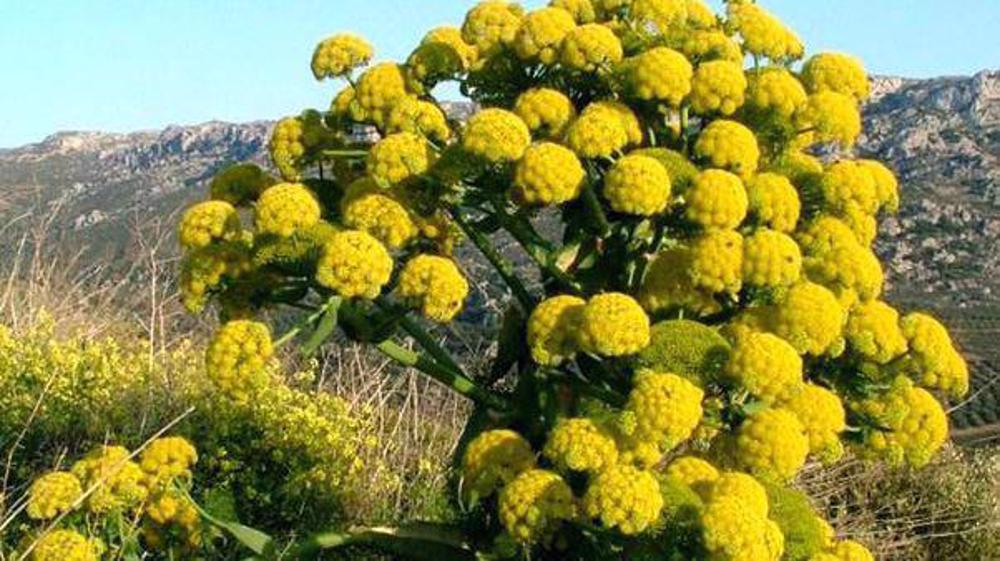
Persian gum fits neatly into this portfolio. What’s more, it could help Iran tap into the growing global market for sustainable materials, which is expanding faster than many traditional export sectors.
The story of Persian gum is a testament to how nature’s gifts can offer solutions to modern challenges. In a world grappling with plastic pollution and the need for sustainable resources, this resin embodies a simple concept that the answers often lie in harnessing the potential of the natural world responsibly.
Persian gum’s rise is a reminder that innovation does not always come from high-tech labs or synthetic creations. Sometimes, it flows quietly from the bark of ancient trees, waiting for the right moment to connect with a world hungry for change.
As more industries seek to embrace sustainable materials, the humble Persian gum could step out of the shadows and become a vital part of the global economy’s future.
At present, there are few large-scale processors of Persian gum in Iran. Small producers dominate the market, and many lack the equipment or expertise to meet international food safety standards.
But there are signs of progress. Some universities are working with local industries to develop purification and film-forming technologies, and a handful of companies have begun pilot projects to create edible coatings for fresh produce.
If successful, Persian gum could play a modest but strategic role in Iran’s economic recovery. It wouldn’t replace oil or gas, but it could offer a valuable source of income for rural communities and a path toward more sustainable exports.
As international sanctions continue to limit Iran’s access to many global markets, niche products like this—where the country has a natural advantage— offer an alternative growth model.
Persian gum is unlikely to become a household name any time soon, but that may not matter. For now, it only needs to find a place on the packaging lines of supermarkets or in the ingredient lists of health-conscious brands.
With global demand for green materials rising, and Iran sitting on a natural source that’s both abundant and underused, the conditions are right for this little-known tree resin to take root in the global economy.

Imam Reza (AS) holy shrine begins accepting crypto donations

Iran offering aircraft maintenance services to Venezuela: Aviation chief

China expands use of Iranian rail corridor for cargo transit



Medicinal plants hold key to Iran’s drought-resistant revenue
Venezuela dismisses EU sanctions renewal as ‘complete failure’
Fast track: Iran rolls out locally-made metro trains, driving self-reliance and eyeing global export
VIDEO | Press TV's news headlines
VIDEO | ECOWAS leaders vow united front against coups
VIDEO | BDS protest targets French retailer Carrefour in Granada
Iran: Israel's backers complicit in Gaza genocide
US issues warning to Netanyahu over Gaza ceasefire violation: Report


 PressTV NEWSLETTER
now
PressTV NEWSLETTER
now

 This makes it easy to access the Press TV website
