Press TV's news headlines
US-Israeli Gaza genocide
Dozens more Palestinian civilians have lost their lives in Israel’s fresh strikes in Gaza, as the regime’s genocidal war rages on across the blockaded territory. Nearly 110 Palestinians were killed in Israel’s indiscriminate strikes on Saturday. In Gaza City, which has been the focal point of the regime’s latest aggression, four civilians were killed in an airstrike on a residential building in the al-Daraj neighborhood. The regime also committed a new massacre south of Gaza City, killing nearly two dozen civilians in the bombing of a residential area in the city’s al-Sabra neighborhood. Many others were injured or went missing. An earlier strike killed four Palestinians west of Gaza City. Three civilians also lost their lives in a drone strike on a tent for displaced families west of the Nuseirat refugee camp, in central Gaza. Medical sources reported two new deaths from malnutrition, raising the total toll to 442. The death toll from the Israeli genocide now exceeds 65,200, with over 166,270 others injured.
Onslaught on Gaza City
An international human rights organization has slammed Israel’s use of explosive-laden vehicles in Gaza City, calling it a massive destruction tactic used against the Palestinians in Gaza. The Euro-Mediterranean Human Rights Monitor said the Israeli army detonates more than seventeen explosive-laden vehicles daily in Gaza City’s residential neighborhoods. It noted that each explosive-laden vehicle used by Israeli forces causes a detonation equivalent in force to a 3.7-magnitude earthquake on the Richter scale. The organization said such weapons fall under the category of prohibited weapons, and their use in residential areas constitutes a war crime, and even a crime against humanity. The Euro-Med stressed that the use of such destructive methods is aimed at completely obliterating residential neighborhoods and infrastructure, preventing any possibility of reviving life in Gaza City.
Iran’s response to sanctions
Iran says the European troika’s QUOTE injudicious actions will effectively block the country’s course of cooperation with the International Atomic Energy Agency. Iran’s Supreme National Security Council made the statement after the UN Security Council failed to pass a resolution to prevent the troika’s snapback of sanctions. The SNSC said the move comes despite the country presenting plans to resolve the nuclear issue. The top security body stressed that Iran’s policy is increased cooperation for regional peace and stability. The SNSC also said the Foreign Ministry has been mandated to continue diplomacy to protect national interests. Iran’s President has also condemned the move by the European troika, stressing that these bans will never stop the country’s development.
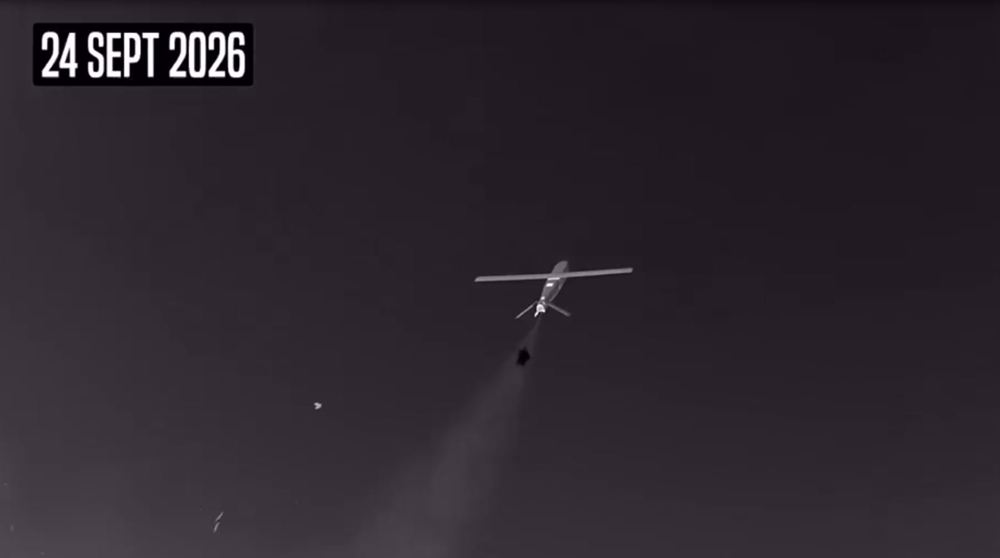
Afghanistan-Pakistan tensions escalate as Islamabad launches fresh airstrikes on border areas
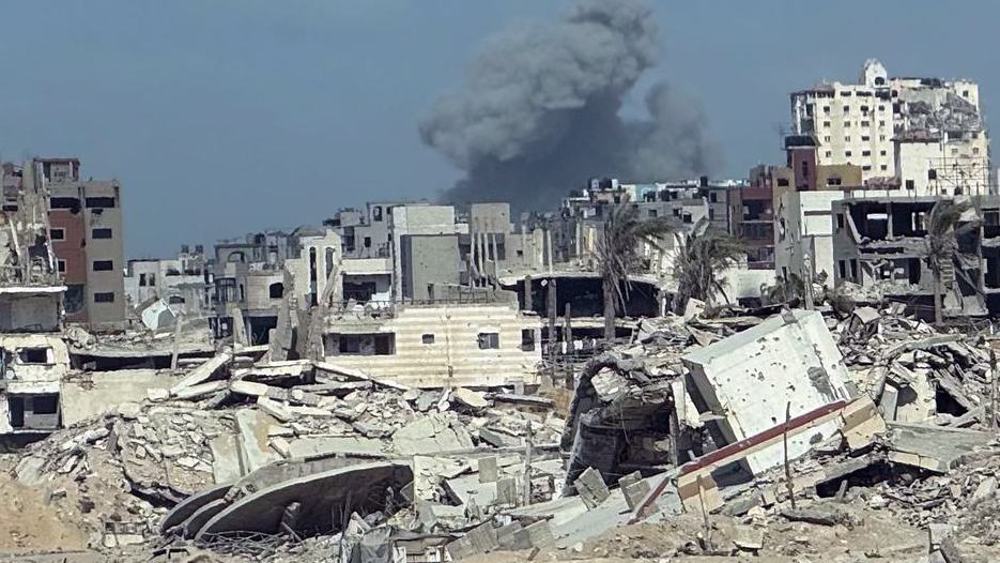
Between diplomacy and obstruction: Battle over Gaza's reconstruction plan
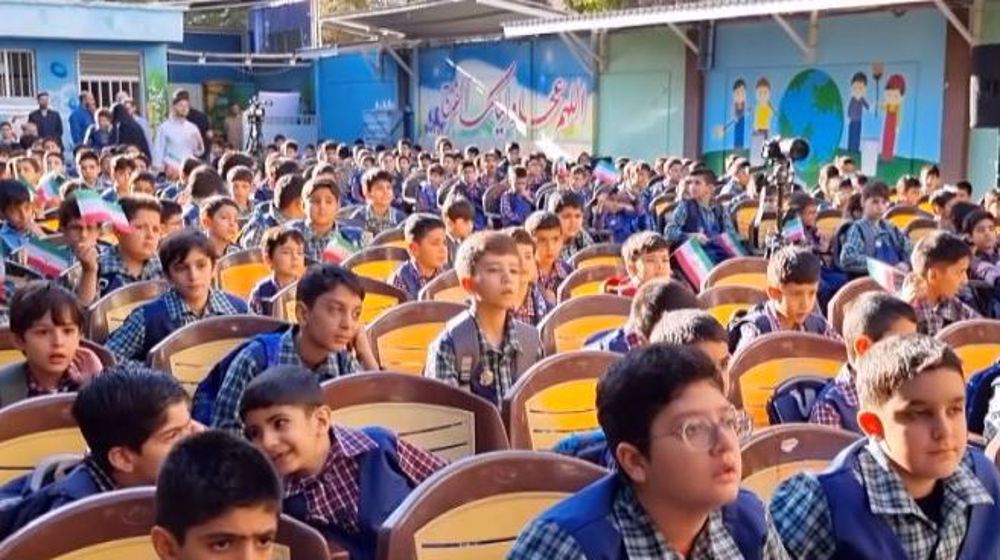
Iranian children honor martyred classmates as new school year begins



VIDEO | Pakistan executes precision strikes on 10 Afghan sites following drone incursion
VIDEO | Education in Yemen: Years of Saudi-led aggression failed to stop learning
Minab’s school bell rings through grief as 168 empty desks stand as silent witnesses
Europe was part of the infrastructure of US aggression against Iran: Deputy FM
VIDEO | The pain of not being able to provide
VIDEO | US ill intentions further exposed
Araghchi in New York: Europe must confront US aggression
IRGC: Iran’s strikes force US toward dispersal, concealment, minimal presence


 PressTV NEWSLETTER
now
PressTV NEWSLETTER
now
 This makes it easy to access the Press TV website
