Week of Islamic unity in Iran: 15,00th birth anniv. of Prophet Muhammad
It's one of the simplest yet most powerful words in the Islamic world, unity. And every year for one week Iran marks it in a very special way, from the 12th to the 17th of Rabi' al-Awwal on the Islamic calendar, the days between two dates claimed as the birth date of the Prophet Muhammad.
Iranians commemorate not division but togetherness. They call it the week of unity.
But beyond the ceremonies and conferences lies something far more important, the lived reality of Shia and Sunni Muslims in Iran, A reality often denied, distorted or dismissed by a Western narrative that thrives on suspicion and conflict.
This week, we go behind the headlines, behind the propaganda, to witness what Unity really is and why it matters.
The idea of a week of unity was conceived in 1980. Iman Khomeini, the leader of the Islamic Revolution, made a bold move; where history saw differences, he saw opportunity.
Sunnis celebrate the Prophet's birth on the 12th of Rabi' al-Awwal, Shias on the 17th. Instead of letting that divide deepen, he declared the days in between a bridge, a week of unity.
To start with, we talked to Mr. Abdolhossein Khosrowpanah, an Iranian Shia cleric and a professor of philosophy at the Research Institute for Islamic culture and thoughts.
He is also secretary and member of the Supreme Council of the Cultural Revolution since January 2023. He asserts unity is not a matter of choice. It is both a religious obligation and a rational necessity.
Muslim unity is both a religious and rational obligation; creating division, whether by Shia or Sunni, is sinful.
Imam Khomeini and the leader of the revolution, Ayatollah Khamenei, have always emphasized this, seeing unity not just as a defensive necessity, but as a foundation for building a new Islamic civilization.
History shows that whenever Muslims were united, ... science and culture flourished.
Abdolhossein Khosrowpanah, Supreme Council of the Cultural Revolution
Imam Khomeini did not ask Sunnis to become Shias, or Shias to become Sunnis, he asked Muslims to be Muslims together to emphasize what we share, God, the Prophet, the Holy Quran and the hope for justice.
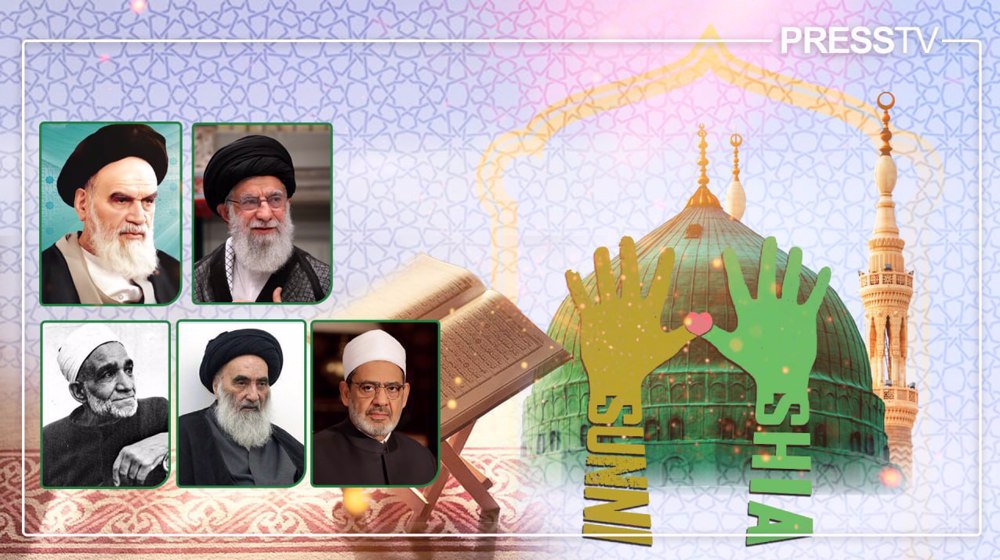
Mr. Khosrowpanah emphasized, however, that unity does not mean erasing differences. He said that Sunni and Muslim scholars must join forces to confront the greater challenges of our time.
None of our great scholars, whether Ayatollah Burujardi, Imam Khomeini or the leader of the revolution, ever said unity means one sect must abandon its beliefs.
Shia and Sunni scholars can and should discuss differences respectfully and academically. But today, there are far more pressing challenges than sectarian disputes; secularism, relativism and atheistic ideologies are pushing youth toward disbelief and moral turpitude. These are the critical issues where Shia and Sunni scholars must cooperate.
Likewise, in advanced sciences such as quantum technology, biotechnology or artificial intelligence, no single Muslim country can succeed alone. By dividing responsibilities and collaborating they can avoid falling into modern forms of dependency and subjugation.
Abdolhossein Khosrowpanah, Supreme Council of the Cultural Revolution

The Holy Quran itself calls for this bond in chapter three, verse 103: 'Hold fast to the rope of Allah altogether and do not be divided'; a command, not a suggestion.
We also had the opportunity to meet with Mr. Molavi Mohammad Eshaq Madani, a prominent Sunni scholar and former member of the Assembly of Experts for leadership.
He emphasized the importance of unity, not only between Shia and Sunni Muslims, but also among all followers of divine religions.
The Holy Quran commands: 'Hold firmly to the rope of God and do not be divided'. If we fight among ourselves, we weaken and lose our strength.
The Prophet said, 'be brothers forever. Do not strike each other's necks'. He compared believers to bricks in a wall, each strengthening the other.
The Holy Quran also reminds us that all prophets, Noah, Abraham, Moses, Jesus and Muhammad, peace be upon them, brought the same divine message.
Just as we respect our Prophet, we are obliged to honor all the prophets.
Molavi Mohammad Eshaq Madani, Sunni Scholar
The Prophet Muhammad, peace be upon him, built his community on this principle, in Medina, tribes and cultures blended into one ummah.
It was unity, not wealth or power that turned Islam into a global force.
But Unity has always had enemies. For centuries, colonial powers understood that a united Muslim world was the one thing they could not control. Their answer, divide and rule.
Our enemies, whoever they may be, use division as a tool for domination. The old saying goes, divide and rule.
Even before Islam, this strategy was used, for example, when Jewish tribes settled in Medina, though small in number, they fueled conflict between the Aws and the Khazraj tribes, allowing themselves to dominate.
And it was the prophets of Islam who united these tribes and the plotters then became his enemies.
Division has always been a weapon of domination, and it is still being used against us today.
Molavi Mohammad Eshaq Madani, Sunni Scholar
The strategy was brutally effective, stoking suspicion, fabricating lies, turning brothers into rivals. Shias were branded as heretics, Sunnis painted as oppressors. The damage was not accidental. It was engineered
For Mr. Khosrowpanah the concept of unity extends beyond Iran. He sees the global resistance movement as its natural outcome, a front where Sunnis, Shias, and even Christians, stand together against occupation and oppression.
The global resistance movement is another fruit of unity. The Zionist regime targets both Sunni and Shia leaders alike, whether it be the sheik Ahmad Yasin, Ismail, Hania, Sayyid, Hassan Nasrallah or general Qassem Soleimani, their struggle is shared.
Before the revolution, even Lebanon's Shia community was fragmented, manipulated by colonial powers. Today, however, resistance unites Shias, Sunnis, and even Christians in Lebanon. Attempts to disarm Hezbollah fail because many Sunnis and Christians also see its weapons as essential for Lebanon's security.
This shows that the theory of unity directly leads to the theory of resistance.
Abdolhossein Khosrowpanah, Supreme Council of the Cultural Revolution
Professor of philosophy at the Research Institute for Islamic culture and thought, Mr Khosrowpanah also pointed to the ambitions of the Zionist regime, whose plans for expansion threatened the entire Muslim world.
Division, he warns, only makes it easier for such enemies to prevail.
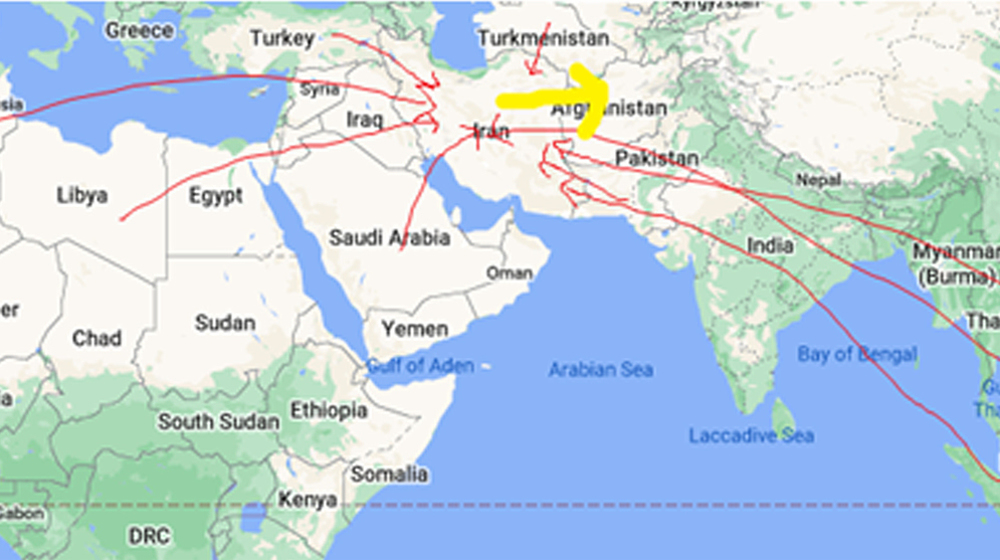
We also face a common external enemy, the Zionist regime, which seeks not only to occupy Palestine, but to expand from the Nile to the Euphrates threatening parts of Syria, Iraq, Turkey, Egypt, Qatar and even Iran.
Such ambitions endanger all Muslims, Shia and Sunni alike. Unity is necessary to resist this cancerous tumor. The Quran warns that division weakens us, and once weakened, enemies can easily destroy us. Their goal is not limited to Gaza. They seek to fragment nations and enslave peoples.
Abdolhossein Khosrowpanah, Supreme Council of the Cultural Revolution

Western empires knew very well that if Muslims stood as one, foreign domination would crumble. So they invested in Division, sometimes with guns, sometimes with whispers.
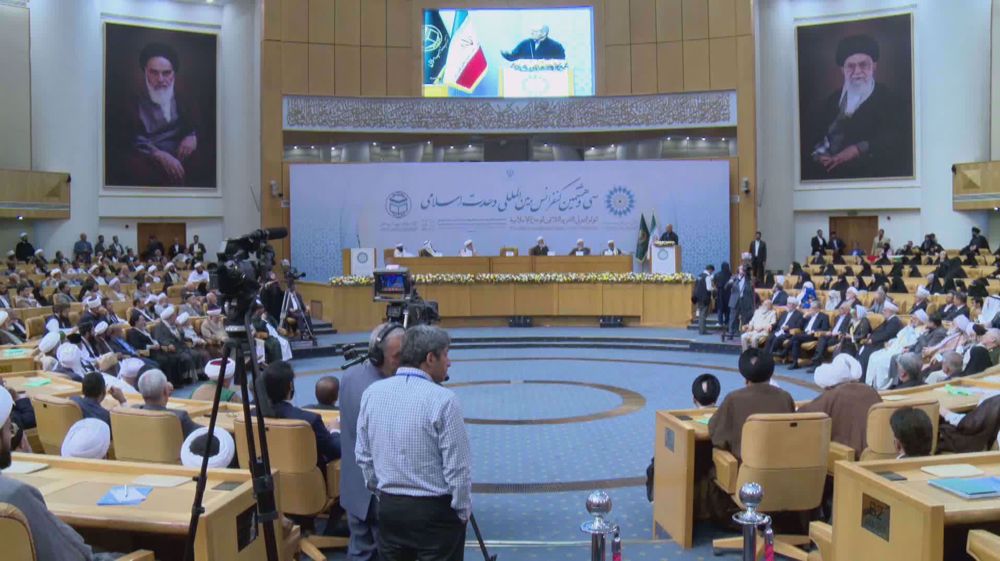
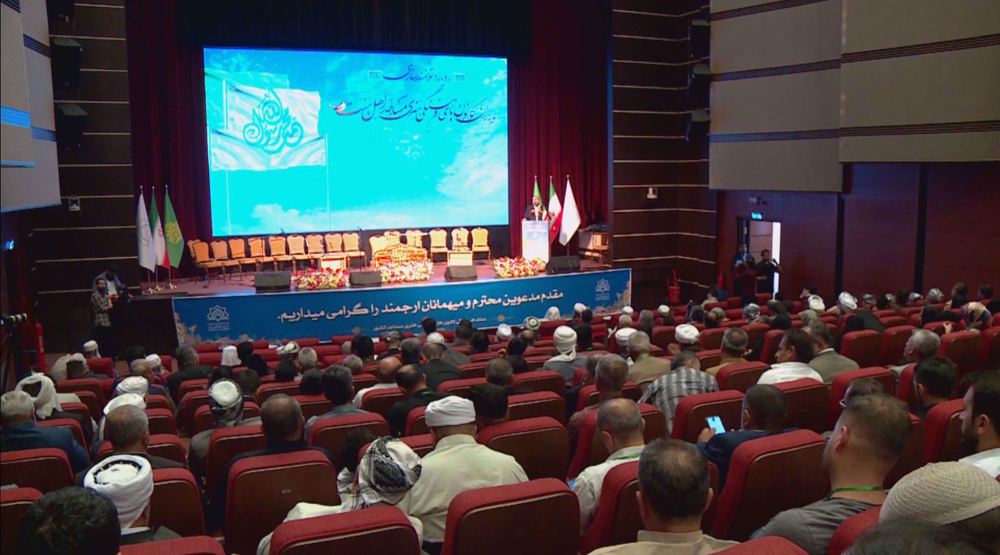
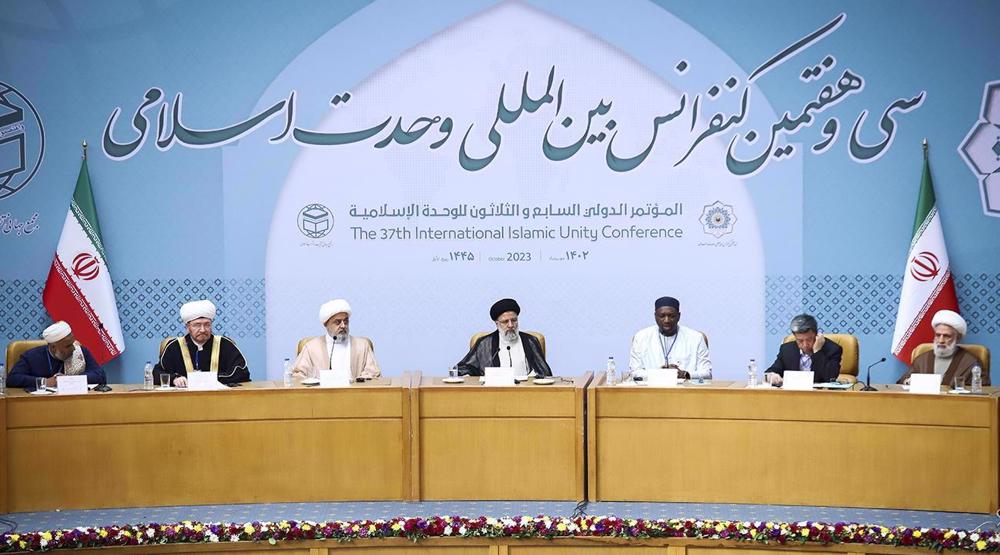
We met several Muslim scholars from different countries who had come to Iran to participate in a conference marking the week of unity.
Among them was Sidi Mohamady Quedraogo from Burkina Faso
For the West, it makes no difference whether a Muslim is Shia or Sunni. Their goal is to weaken Islam as a whole.
I see Islam like a body. Shias and Sunnis are its limbs. If the limbs fight each other, the enemy can easily sever the head.
Disagreements among Muslims should never destroy their shared purpose.
Our goal must be unity, otherwise, the enemies of Islam will exploit our divisions, as we see today in Gaza and elsewhere.
Sidi Mohamady Quedraogo, Researcher, Borkino Faso
Today, the echoes of that policy live on in extremist groups, in sectarian wars and in the headlines of Western media eager to portray Islam as fractured and Iran as divided.
But here's the truth. On the ground in the streets of Iran, the story is very different. Ms Zainab al-Salem, a Muslim researcher from Iraq who has been living in Iran, shares the impressions of visitors to Iran who discover a society very different from the image shown abroad; lively, secure and thriving through Islam.
For her, Iran's strength is living proof of the power of unity.
A relative of mine recently visited Iran from Canada. She was surprised to see how lively, joyful and secure life is here, completely different from the negative image presented abroad.
True life and dignity come from living by Islam, its beliefs and its values. Iran is proof of this; in medicine, education, science and culture, it thrives through Islam.
Foreigners may deny this, but those who visit with their own eyes see the truth. Iran's strength is the strength of Islam and unity here is real, in a way the outside world does not show.
Zainab al-Salem, Researcher from Iraq
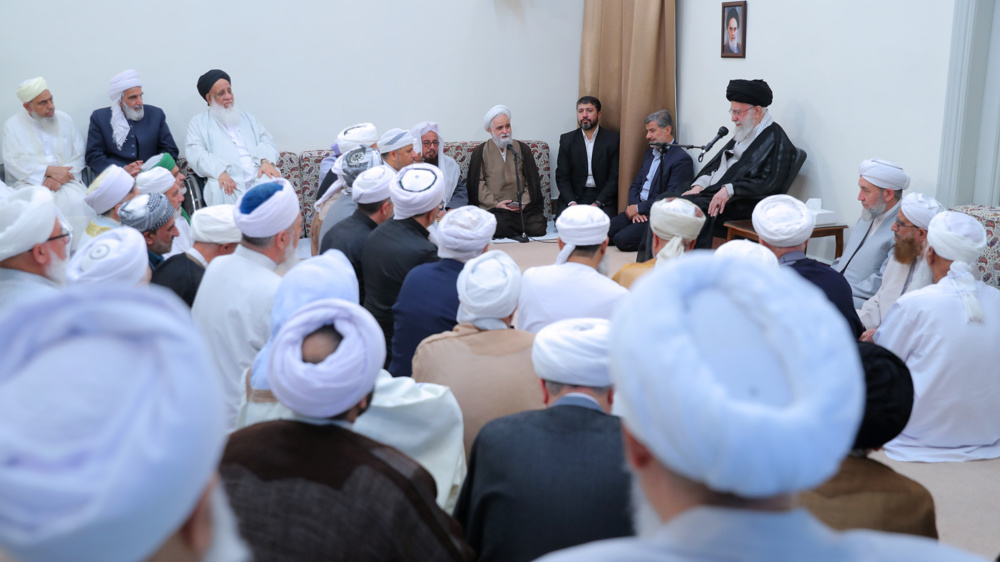
Meanwhile, another guest from Pakistan shared his experience of living in Iran, Mr. Seyyed Hassan Reza Naqvi, a PhD candidate at the University of Tehran has been residing in the capital for the past five years.
I have close ties with Iranian Sunni students in Chabahar, Zahedan, Golestan and Gorgon, as well as with Pakistani students across Iran, since I'm responsible for the Urdu speaking Student Association.
From what I have observed, the relations between Shia and Sunni youth in Iranian universities are an example for the rest of the Muslim world.
In some countries, Shias make up 25% of the population, yet they have no presence in government, not even as a mid level manager or a military officer. In another country, Shias make up nearly half the population, yet they have no governors.
By contrast, in Iran, the governor of Sistan and Baluchistan is a Sunni Baluch. Sunnis also serve as members of parliament, professors in universities and officials across different sectors, Sunni and Shia students face no restrictions.
This culture of inclusion and mutual respect in Iran should be presented as a model to other Muslim countries. Unlike elsewhere, sectarian sensitivities do not dominate relations here. Students treat one another like brothers. Personally, I'm very happy to see it.
Seyyed Hassan Reza Naqvi, Pakistani Researcher
During the eight year Iran Iraq War, when Saddam Hussein's Baathist army invaded with Western backing, Shia and Sunni Iranians fought side by side, thousands of Sunnis gave their lives defending their homeland.
In the trenches, unity was not a slogan. It was survival. When the bullets came, they didn't ask if they were Shia or Sunni. They were Iranians. They were Muslims, they were brothers.
From the beginning of the Islamic Revolution, Iran has faced attacks, whether from terrorist groups like the MEK, separatist groups in Kurdistan or extremist movements in Baluchistan.
These groups shed both Shia and Sunni blood, during the eight year war, Sunni scholars and fighters stood shoulder to shoulder with Shias in defense of Iran. At Every stage unity has been the key to survival.
Abdolhossein Khosrowpanah, Supreme Council of the Cultural Revolution
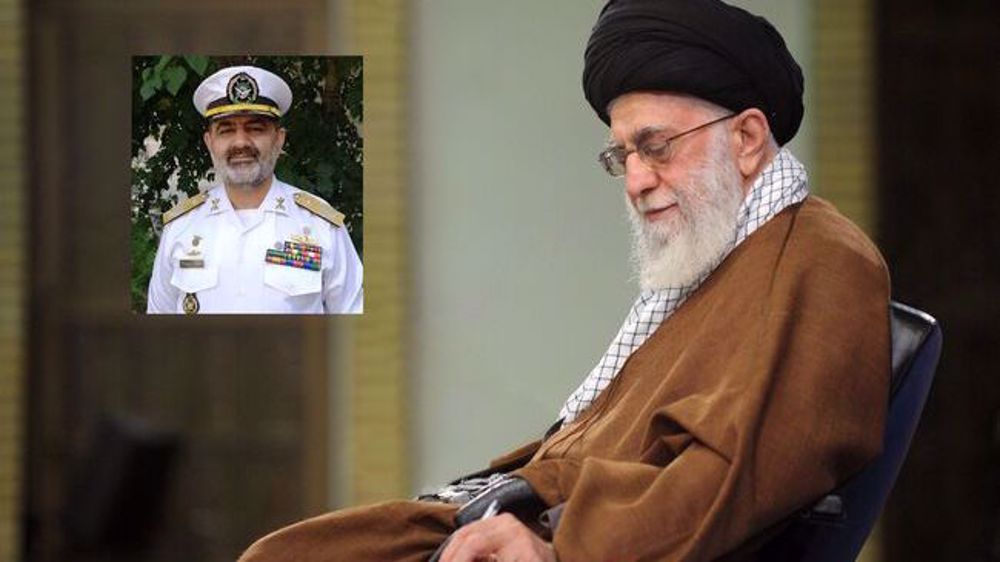
Today, that unity is visible at the highest levels. An example is Shahram Irani, a Sunni from Kurdistan, who commands Iran's navy. His rise to leadership is more than personal success. It's proof that segregation walls are not what outsiders claim.
In Iran's Sunni majority regions, from Kurdistan to Sistan and Baluchistan, mosques are active. Friday prayers are held, and Sunni representatives sit in Parliament. Their voices are not silenced. Their faith is not hidden.
But this is not the story told in the West. Instead, Iran is painted as a land of sectarian oppression, where Sunnis are silenced, where unity is a mask, where division festers beneath the surface.
One of the most important lessons we can learn from Iran is the model of representation and coexistence; here, even non Muslims, I mean Christians and Jews, can vote and hold seats in parliament.
This is a remarkable example that other countries should adopt.
It shows that Iran recognizes humanity and human dignity rooted in both the Holy Quran and the teachings of the Prophet and his family.
Sidi Mohamady Quedraogo, Researcher, Borkino Faso
And when misinformation fails, violence is manufactured. Groups fueled by foreign support, preach sectarian hatred, bomb mosques, and claim to speak for Islam, but their mission is not faith. It is fracture.
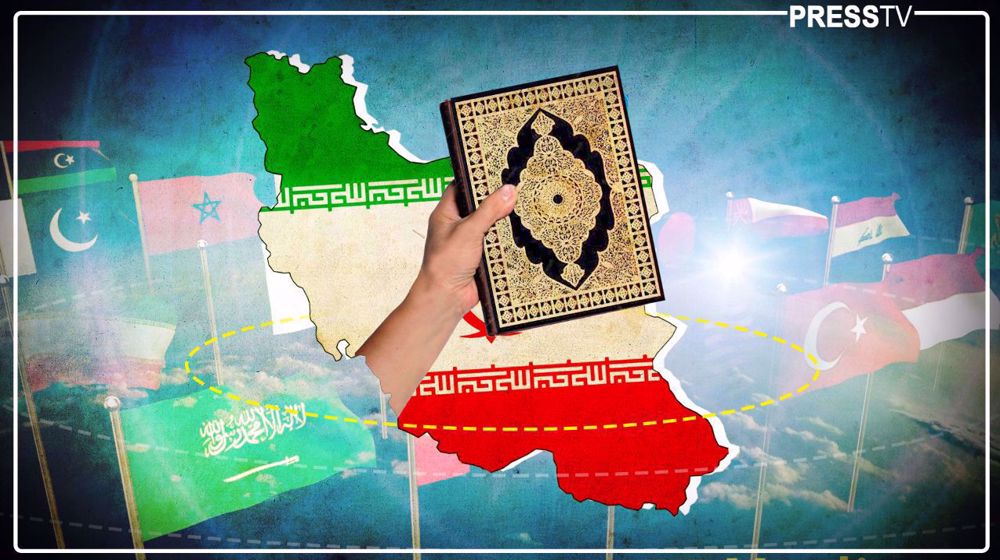
Mr. Naqvi recalled the early days of Israel's war in Iran, when he witnessed a spirit of unity, not only between Shia and Sunni Muslims within Iran, but also between the people of Iran and Pakistan, standing together in the face of a common enemy
During the early days of the war. on the second day, the Pakistani embassy asked all students to return home since universities and dormitories had closed. They even arranged transportation to the Mirjaveh and Rimdan border crossings.
At that time, there was no Internet access except in the embassy where I stayed connected. Many families, including parents of Sunni students, called me. Some pleaded with me not to send their sons and daughters back to Pakistan. They said, if you send them, send their bodies. This is a battle between truth and falsehood. We do not want our children to abandon it, even if they cannot fight, at least let them remain present.
I remember crying as I heard this from Sunni families who were ready to see their children martyred alongside Iranians, rather than withdrawn.
It was a true manifestation of unity between Shia and Sunni Muslims.
Seyyed Hassan Reza Naqvi, Pakistani Researcher
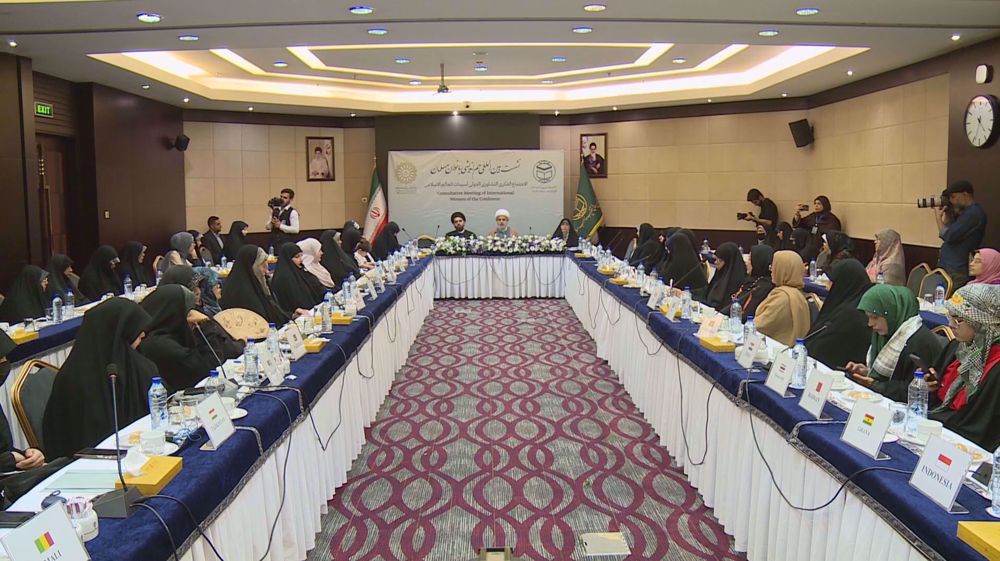
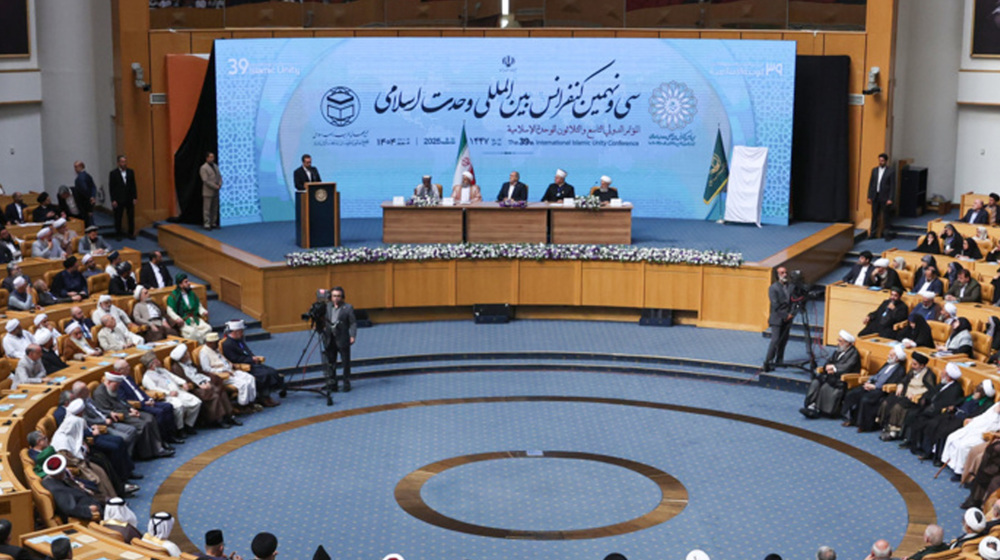
Every year in Tehran, during the week of unity, a wide variety of events bring together scholars and leaders from across the world. Sunnis and Shias from dozens of nations. They sit at the same table, argue, debate and agree on one simple truth, that Islam is stronger when united.
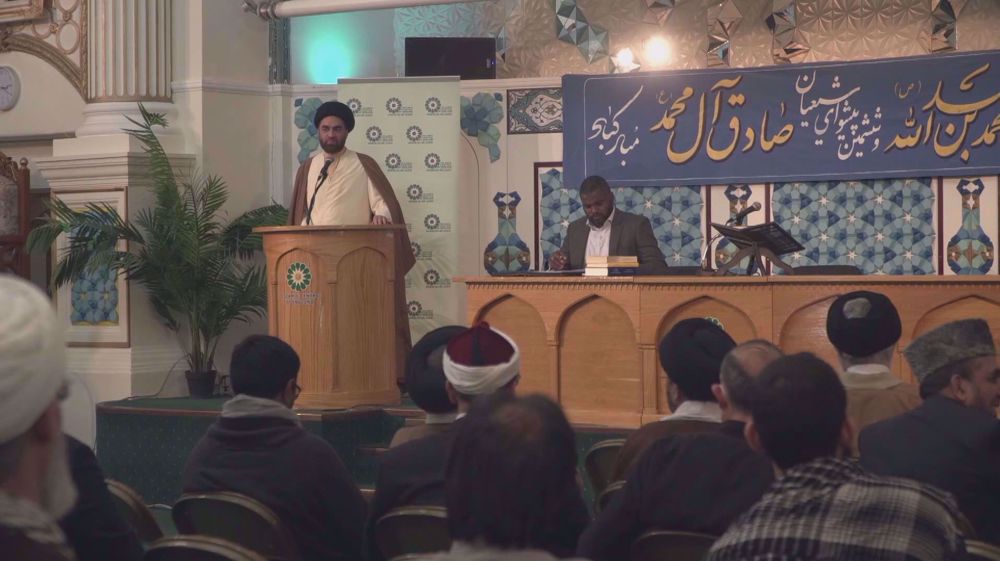
The week of unity in Iran is an inspiring experience. Here Sunnis and Shias, Hanafis, Shafi'is, followers of the Ahl al-Bayt, all sit together, study together and emphasize the Quranic command that says, 'Hold fast to the rope of God, all together, and do not be divided'.
The message is clear, unity must not remain words, but must be put into practice. If Muslims work for this goal, they will achieve honor and strength.
Sidi Mohamady Quedraogo, Researcher, Borkino Faso
I came from Iraq to present a paper at this conference. Since this morning, I have learned so much from the discussions, and I am convinced that Muslims must join hands against common enemies, America, Britain, Israel, who constantly plot to divide us.
My paper is about Tawheed, or monotheism. I believe that when people truly understand Tawheed, they will also understand the necessity of unity, because unity is rooted in God's oneness.
Zainab al-Salem, Researcher from Iraq
They come not to erase differences, but to fight a bigger enemy, ignorance, extremism and the colonial echoes of divide and rule.
In the words of the leader of the revolution, Ayatollah Seyyed Ali Khamenei, “this is not politics. It is faith. God Himself has commanded us to unite”.
If Muslims were united, Syria, Iraq, Yemen, these tragedies would never have happened, and when the Iranian nation faced foreign aggression, Molavi Madani said, Sunni scholars and communities stood firmly beside their Shia brothers, defending the homeland with one voice and one spirit
During the so called 12 day war imposed on Iran by the Israeli regime, Sunni scholars unanimously supported the Islamic Republic and its leadership. Not a single Sunni joined the enemy.
On the contrary, they condemned the aggression and defended the country alongside their Shia brothers, the unity and defense of our homeland is a shared value for all Muslims in Iran.
Molavi Mohammad Eshaq Madani, Sunni Scholar
But Unity faces its greatest enemy not on battlefields, but in the hearts and minds; ignorance, suspicion, myths. Some Sunnis are told Shias worship their Imams. Some Shias believe Sunnis reject the Prophet's family. Both claims are false, both designed to wound.
Such misconceptions don't survive where people actually live together. In Iran, Sunnis and Shias share neighborhoods, workplaces, even families. When you know your neighbor, you don't believe the lies.
The idea that Sunnis do not respect the Prophet's family is a blatant lie. Even in remote villages, if you ask a Sunni what they recite in prayer, they will say: Oh, God bless Mohammad and the family of Mohammad'. This is universal among Sunnis of all schools.
In Sunni, collections of Hadith, the virtues of Imam Al, the lady Fatemeh, Imam Hassan and Imam Hossein, are all recorded, and no Sunni denies them.
Our Friday Sermons regularly refer to Imam Hasan and Imam Hussain as the leaders of the youth of paradise.
We also have in our religious literature a Hadith from the prophet that only a hypocrite would harbor hatred from Imam Ali, while the true believer loves him.
Molavi Mohammad Eshaq Madani, Sunni Scholar
The Week of Unity is more than a date on the calendar. It's a reminder that Islam's strength is not in its divisions, but in its bonds.
Iran's Shia and Sunni communities are not rivals; they are partners in faith, in nationhood and in destiny. Yet beyond Iran's borders, powerful forces still invest in doubt, in division, in denial.
But walk the streets of Tehran, Mashhad, Zahedan or Sanandaj, and the truth becomes undeniable. Sunnis and Shias live together, pray together and stand together.
The Islamic Republic of Iran's achievements in defense technology, space exploration, genetics and medicine, are the result of contributions from both Sunni and Shia scientists.
Many Sunni scholars and professionals chose to remain in Iran, to serve their country, rather than emigrate.
In provinces like Kurdistan, Golestan and Sistan Baluchestan, Sunni communities play a major role in agriculture, food security and other sectors.
Abdolhossein Khosrowpanah, Supreme Council of the Cultural Revolution
Unity is not an illusion. It is not a slogan. It is a reality, and it is a reality the world's powers fear most.
As Muslims remember the prophet of mercy, perhaps the greatest tribute they can offer him is one Ummah united, not just for a week, but for a lifetime.
Around 80 years ago Allameh iqbal Lahori gave a message suitable for the week of unity, which I wish to repeat today in one of his poems he warns, "Oh, you who cannot distinguish the hidden from the obvious, be alert. Oh, you entangled in disputes over Abu Bakr and Ali. Be alert".
The point is that Muslims should not waste their energy fighting over such issues.
Imam Khomeini, the founder of the Islamic Republic, expressed the same thought when he said, "Your enemy is not concerned about whether you pray with folded hands or open hands. He wants to cut off your hands entirely". If Shias and Sunnis unite, they can defeat the enemies of Islam, enemies whose identity is now obvious to the entire world.
United, the Muslim Ummah can present Islam as a genuine force of salvation and guidance for humanity.
Seyyed Hassan Reza Naqvi, Pakistani Researcher

Trump impeachment on the horizon post-midterms
Iranian nuclear chief barred from IAEA conference
Ansarullah takes over Bab al Mandab Strait



VIDEO | Press TV's news headlines
Iran summons German ambassador over Berlin’s hostile positions, interventionist activities
Israeli occupation court extends detention of Press TV journalist Naqaa Hamed
Iran rejects Sweden’s allegations, orders Swedish diplomat to leave within 48 hours
UN fact-finding mission finds ‘reasonable grounds’ US committed war crimes in Iran
Al-Houthi: Saudi claims of Yemen targeting Mecca 'heinous lie', manifest slander
Iran dismisses Saudi claim that Yemen attempted to target Mecca
‘Organized, illegal, aggressive’: Press TV slams abduction of West Bank journalist by Israeli forces



 PressTV NEWSLETTER
now
PressTV NEWSLETTER
now
 This makes it easy to access the Press TV website
