Discover Iran: Abdanan, Ilam's wonderland of ancient fortresses, lakes and Zagros mystique
By Humaira Ahad
- Abdanan is home to ancient Sassanid and Islamic fortresses, showcasing Iran's architectural resilience and strategic mountain landscapes.
- The Siah Gav twin lakes are Iran’s only twin-lake system, offering geological wonders, rare species, and therapeutic mineral waters.
- Waterfalls like Mehuteh and Takhtan sustain nomadic life and attract eco-tourists with their natural beauty and seasonal flows.
The road opens up to green valleys, oak-covered slopes, and smoke from kaneg (tent hearths) rising in the distance.
Black tents of nomadic tribes dot the hills, and the smell of saji bread being baked on burning oak wafts through the breeze. It’s a region where ancient life has never been fully interrupted.
The journey to Abdanan, a city in western Iran's Ilam Province, nestled between two majestic mountain ranges, Kabirkuh and Dinar, is a passage through thousands of years of history.
The city is often regarded as a living museum of geology and mythology.
Abdanan’s location is a marvel of geography: the city lies between two towering ranges, as its roads snake through the steep, serpentine passes of Kabirkuh, creating both isolation and mystique.
The route from Ilam is winding. The deeper one drives, the more the Zagros range closes in, until the modern world begins to feel distant.
Abdanan, quietly emerging as one of Iran's most fascinating destinations, offers visitors a surprisingly rich tapestry of sights—from ancient fortresses to pristine lakes and cascading waterfalls.
Echoes of forgotten fortresses
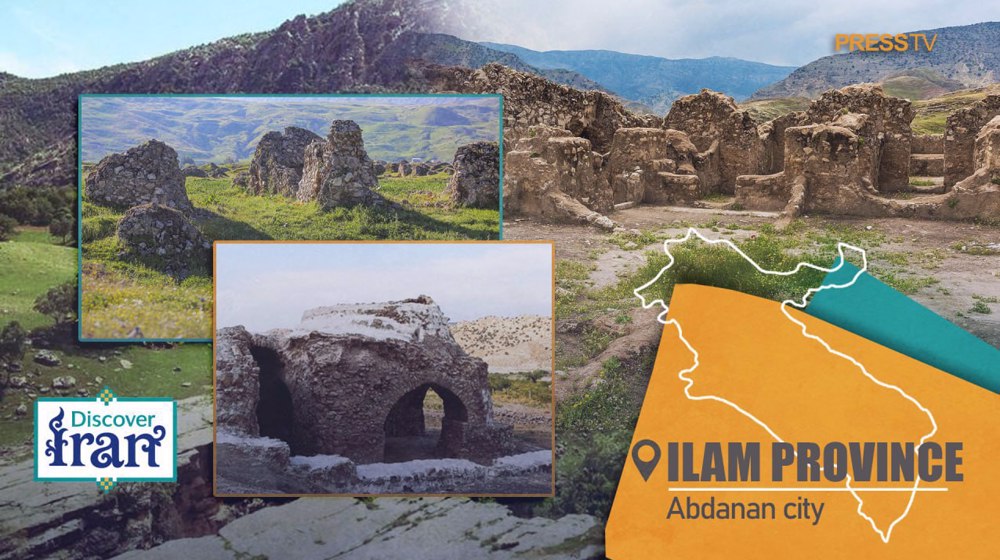
Perched over the land, Hezar Darb Castle is one of Iran’s most mysterious fortresses.
It dates back to the Sassanid era and was constructed using hewn stone and river pebbles, with its massive archways and walls still standing after centuries of exposure to winds and wars.
With underground chambers, upper floors, and ventilation shafts built into its ceilings, the castle's architecture conveys Iran’s rich past.
Discovering Iran: Ilam's canyons, castles and fire temples
— Press TV 🔻 (@PressTV) July 31, 2025
Follow Press TV on Telegram: https://t.co/LWoNSpkc2J pic.twitter.com/79jER7u3tP
Hezar Darb, a national heritage site, remains one of Abdanan’s crown jewels. Visitors can stand atop its remnants and see the valleys unfold. A vantage point once used to spot approaching enemies is now perfect for watching birds flying across the Zagros skies.
Just 15 kilometers from Abdanan lie the ruins of Julian Fortress, known locally as "Zhiliv."
Set atop a natural ridge overlooking the plain, this fortress is believed to be more than 1,500 years old. It has been built from stone and plaster, and the irregular but strong structure is adapted to the hill's shape.
To the north, along the Abdanan–Murmuri road, Hezarani Castle stands partially buried in time. Built atop a 10-meter-high natural hill, its once-long stone corridors now lie broken, though traces of its Sassanid-era layout remain visible.
Like its cousin fortresses, Hezarani stands as a testament to survival, having braved various foreign invasions.
High on the southern slopes of Mount Dinar, overlooking the Murmuri plain, lies Panj Barar Fortress, an Islamic-era structure built with massive stones gathered from local rivers.
Though partly in ruins, it still dominates the skyline of this southern frontier.
Siah Gav twin lakes: Eyes of the earth
Located northeast of Abdanan near the Sarabbagh District, Siah Gav (Black Cow) twin lakes are Iran’s only twin-lake system, and one of its rarest geological wonders.
The lakes, connected by an 8-meter-wide, 70-meter-long natural channel, offer crystal-clear water.
Locals say the lakes are named after the village of Siah Gav. Some believe the mineral-rich dark water gave rise to the name “Black Cow,” while others speak of prehistoric water beasts once roaming these depths, or liken the lakes’ crescent shape to the horns of a bull.
Beautiful scenery of Ilam Province, western #Iran#MustSeeIran#BeautifulIran pic.twitter.com/Kq6zAZCTzC
— Press TV 🔻 (@PressTV) November 18, 2018
The Siah Gav twin lakes are home to rare fish species, fossils, and reptiles. One of the unique traits is their cool, refreshing waters in summer and warm temperatures in winter.
The taste of the water varies depending on the rock composition, evaporation levels, and flow.
Due to underground mineral springs, the water is rich in various mineral salts and sulfur, which some locals claim have therapeutic effects, especially for digestive ailments.
The area offers rich biodiversity, especially in spring and autumn, and is a sanctuary for migratory birds.
Abdanan’s cascading waterfalls
Abdanan’s waterfalls have for centuries defined the rhythm of life in the region.
Among the most famous is the Mehuteh Waterfall, located near Mahuteh village in the south. Here, water from Mount Dinar flows into a narrow gorge, forming a scenic and vital lifeline for nomadic communities and local agriculture.
To the northwest, in Takhtan village, another waterfall springs from the southern slopes of Kabirkuh. The Takhtan Waterfall also offers drinkable water, channeled for local use. A gentle one-hour hike leads to its base—a favorite route for eco-tourists.
Many smaller seasonal cascades that sprout during springtime rainfall form a hydrological symphony in the area.
In an era when travel increasingly becomes checklist-based and commodified, Abdanan offers an encounter with authenticity.
Here, the land still speaks in its original dialect through stone, water, and wind.
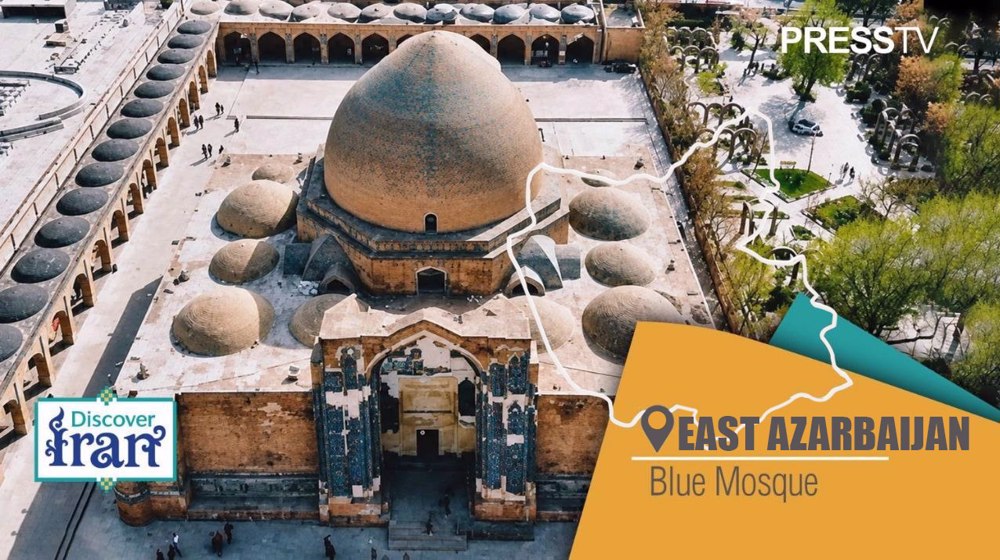
Discover Iran: Tabriz’s Blue Mosque, where glorious history meets timeless Iranian architecture

Discover Iran: Tabriz’s centuries-old trading culture drives carpets, leather, industry and exports
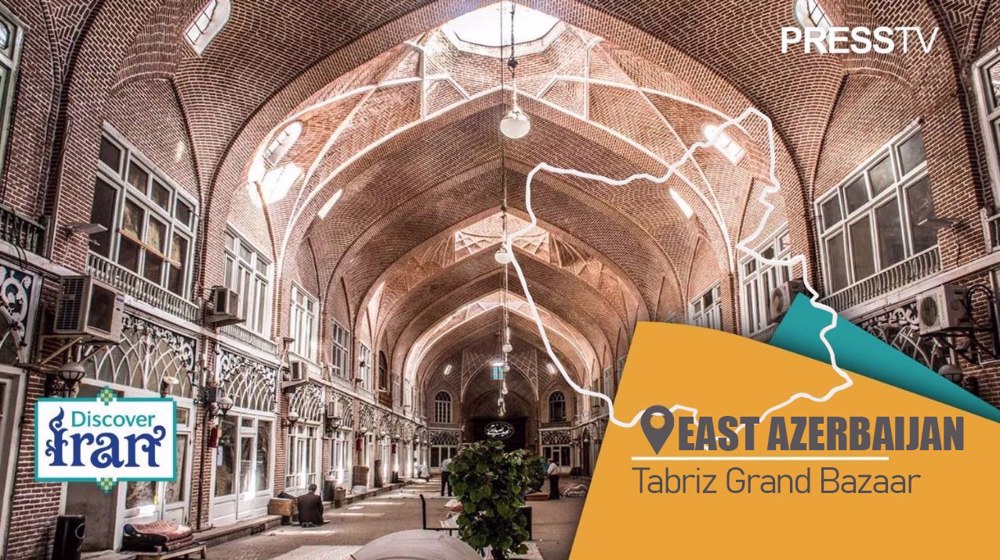
Discover Iran: Tabriz Grand Bazaar, where centuries of trade, culture and craftsmanship still thrive



US lawmaker slams Trump’s $5 billion weapons sale to Saudi Arabia
Russia, China veto US backed anti-Iran resolution at UN Security Council
Araghchi welcomes Xi’s initiatives, hails China-Iran strategic partnership
VIDEO | Gaza transport crisis deepens as 70% of vehicles remain out of service
VIDEO | Press TV's news headlines
Iran summons German ambassador over Berlin’s hostile positions, interventionist activities
Israeli occupation court extends detention of Press TV journalist Naqaa Hamed
Iran rejects Sweden’s allegations, orders Swedish diplomat to leave within 48 hours


 PressTV NEWSLETTER
now
PressTV NEWSLETTER
now
 This makes it easy to access the Press TV website
