Trump administration to burn 500 tons of emergency food amid global hunger
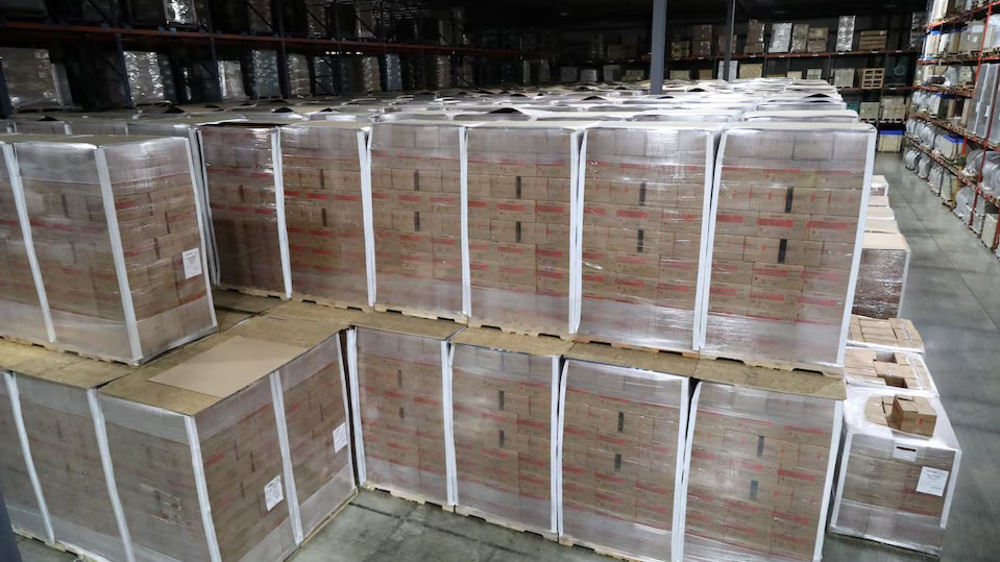
The United States is preparing to destroy nearly 500 tons of emergency food aid, part of a larger 60,000-ton stockpile stranded in warehouses worldwide, even as hunger surges across the globe.
Much of the food is set to expire by the end of July and will likely be destroyed by incineration, which will cost an extra $130,000. Some may be used as animal feed or disposed of in other ways, sources say.
The stockpile remains unused after the Trump administration decided to shut down USAID in January.
Over 1,100 metric tons of emergency food rations, including fortified wheat biscuits, were stored in a U.S. government warehouse in Dubai. The food was designed to meet the nutritional needs of children under five and was intended to feed about 1.5 million malnourished children in Afghanistan and Pakistan. The biscuits are worth $800,000 and enough to feed the children for a week.
However, around 500 tonnes of high-energy biscuits are already rotten and set for incineration.
A memo warning of "wasted tax dollars" if the biscuits were not distributed prompted action, leading to an agreement with the World Food Programme (WFP) to receive the 622 metric tons.
The stocks also include vegetable oil and fortified grains worth over $98 million, according to a document reviewed by Reuters. This food could feed over a million people for three months or the entire population of Gaza for one and a half months.
The World Food Programme (WFP) says one tonne of food can meet the daily needs of approximately 1,660 people.
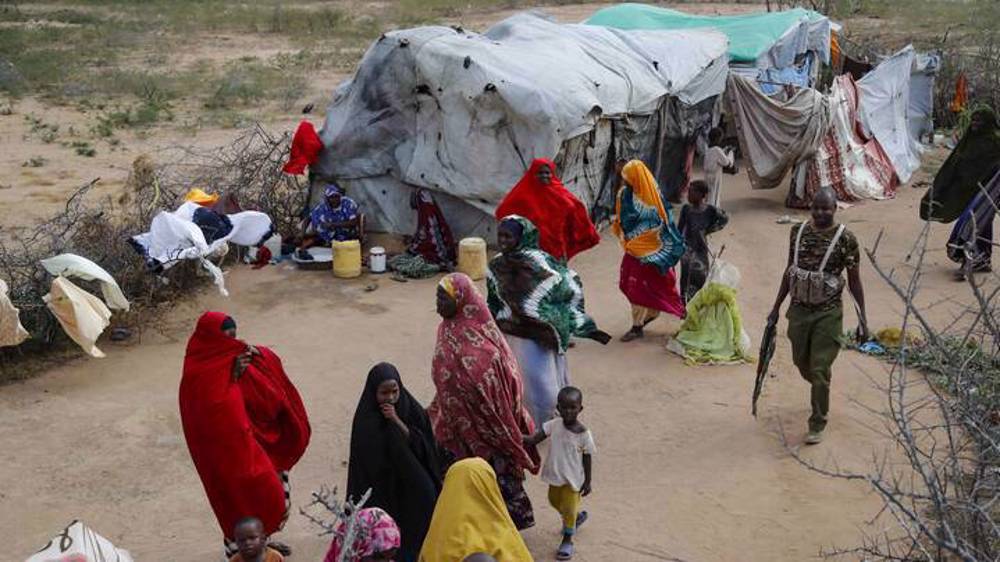
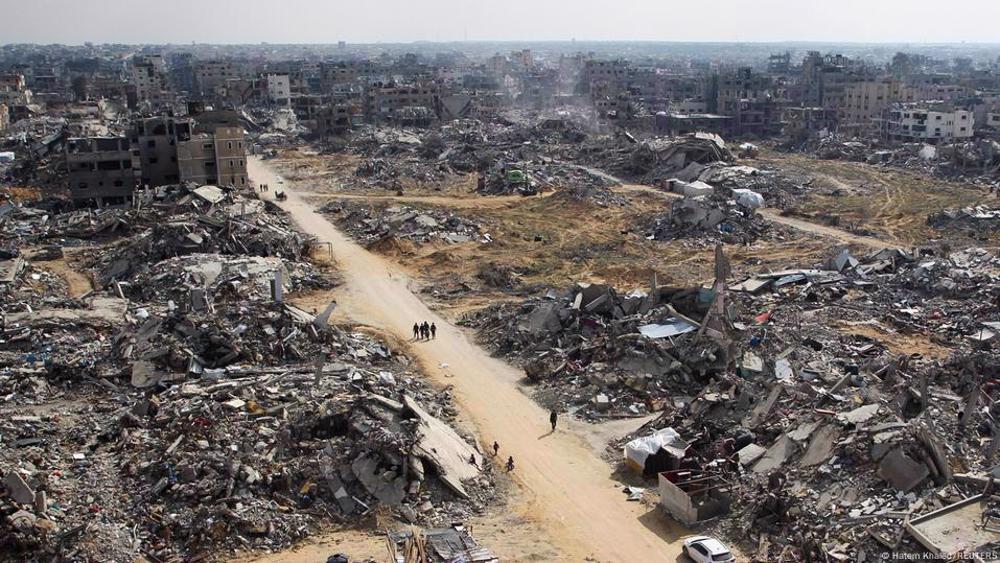
This comes amid rising global hunger caused by conflict. WFP also reports that 343 million people face acute food insecurity, out of which 1.9 million are on the brink of famine, mostly in Gaza.
A US State Department spokesperson said, “USAID is continuously consulting with partners on where to best distribute commodities at USAID prepositioning warehouses for use in emergency programs ahead of their expiration dates.”
However, contract cancellations and frozen funds under the Department of Government Efficiency (DOGE) have caused food stocks to be stuck in warehouses in Djibouti, South Africa, Dubai, and Houston.
UNICEF warned in late March that supplies of ready-to-use therapeutic food (RUTF) were running low in 17 countries due to funding cuts. This shortage risks leaving 2.4 million severely malnourished children without treatment for the rest of the year.
Action Against Hunger, a non-profit relying on the US for over 30% of its budget, said US aid cuts have already led to at least six child deaths.
In fiscal year 2023, USAID bought over 1 million metric tons of food from US producers. The collapse of US foreign aid raises the risk of worsening hunger. Moreover, many humanitarian workers and supply-chain experts who helped deliver food worldwide have lost their jobs.

UK police release five men on bail after airbase security incident

Iran condemns Trump’s ‘hateful and disgusting’ threats in UN complaint

‘World is not America’s backyard’: Iran deputy FM slams US Treasury’s attempt to dictate global trad



Army spox: Saudi Arabia launches over 30 airstrikes across Yemen in 24 hours
VIDEO | News Review: Israel settlement expansion
Israel violates Gaza ceasefire over 5,100 times, kills 1,421 Palestinians: Gaza Media Office
VIDEO | Russia holds events under title of Iran’s Culture Week
Republicans distancing themselves from Trump ahead of US midterms
Pezeshkian: Expanding Iran-Azerbaijan rail, air links key to strengthening ties
Iranian engineering students hold lectures at US-bombed B1 mega-bridge
VIDEO | Press TV's news headlines




 PressTV NEWSLETTER
now
PressTV NEWSLETTER
now
 This makes it easy to access the Press TV website
