Syria run by extremist ‘sheikhs’ not statesmen under HTS regime: Report
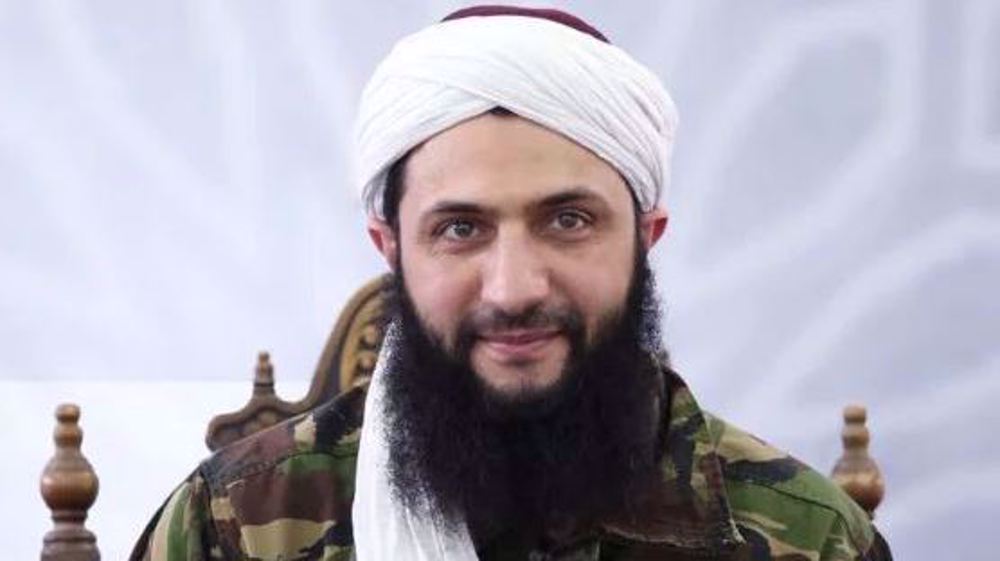
Local sources say Syria is governed by extremist “sheikhs” under the Hay'at Tahrir al-Sham (HTS)-led regime rather than qualified statesmen.
In a report on Thursday, The Cradle said Syria has been divided into regions and sub-regions “ruled by extremist Sunni Muslim religious leaders who exert control over virtually every aspect of decision-making,” including negotiations with Israel for normalization of ties.
The normalization negotiations are said to include the Syrian side’s concession to Israel’s permanent rule over the occupied Golan Heights, a strategic plateau at the southwest corner of Syria that has been occupied by Israel since the 1967 Six-Day War.
Citing sources, the report said the extremist “sheikhs”, who view minority religious groups as unbelievers who do not deserve equal rights with Muslims and can even be killed under certain circumstances, are involved in each transaction or service of the state in areas fully controlled by HTS, including the distribution of gas, flour, electricity, security at checkpoints, local disputes over real estate and land, and even legal disputes.
“We had no real power. Appointments, funding, relationships with organizations, and even food aid go through the sheikh, not the state. The sheikh's decisions are more binding than any law,” a former employee of a local council in Idlib said.

Under the system of extremist “sheikhs”, each local one is administratively linked to “a higher Sharia council” overseen by a little-known body, according to the report.
The online news magazine cited another source as saying that Abu Mohammed al-Jolani, the head of the HTS-led regime, who was previously affiliated with al-Qaeda and Daesh, “runs a kind of supreme religious council, coordinating between sheikhs in the judiciary, economy, and education. Even negotiations with foreign powers do not take place outside this framework.”
The HTS, a former branch of al-Qaeda, along with other militants, seized control of Damascus on December 8, 2024, forcing President Bashar al-Assad to leave the country.
A few months later, armed factions affiliated with the current administration committed a massacre against Alawite civilians in their coastal heartlands.
The murder of hundreds of Alawites in March has increased fears among minority groups about the now dominant militants.
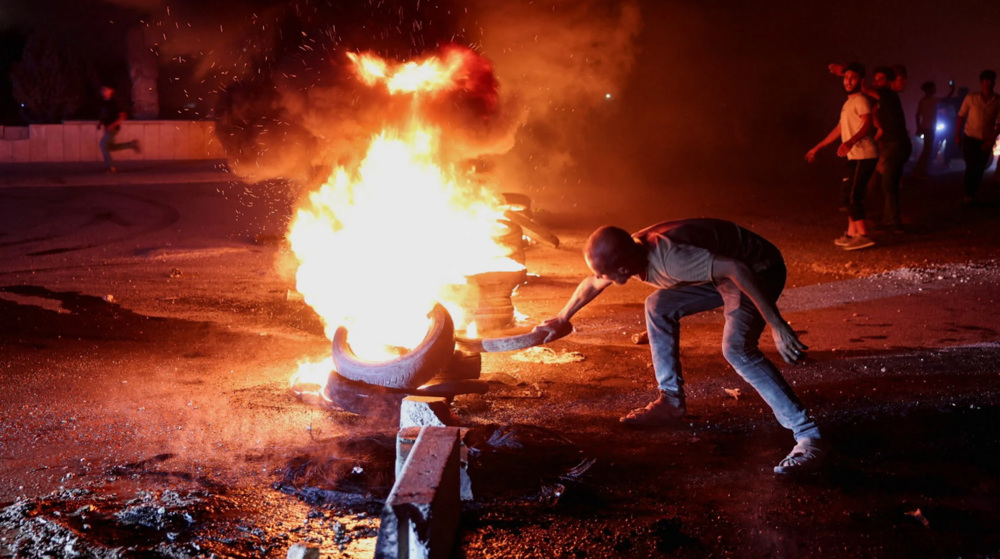
Protests erupt across Syria over fuel price hike by HTS regime
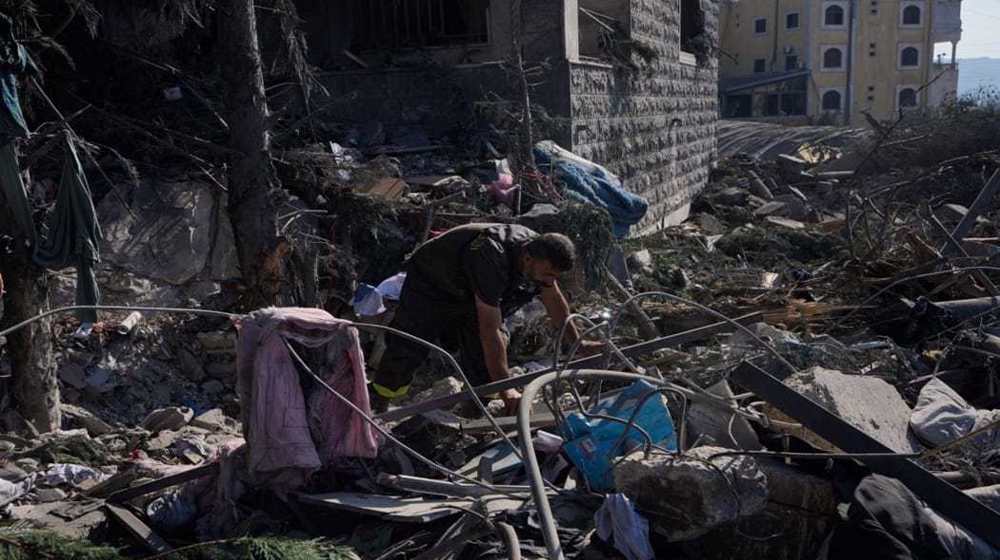
Israeli forces ramp up attacks in southern Lebanon, shell southern Syria
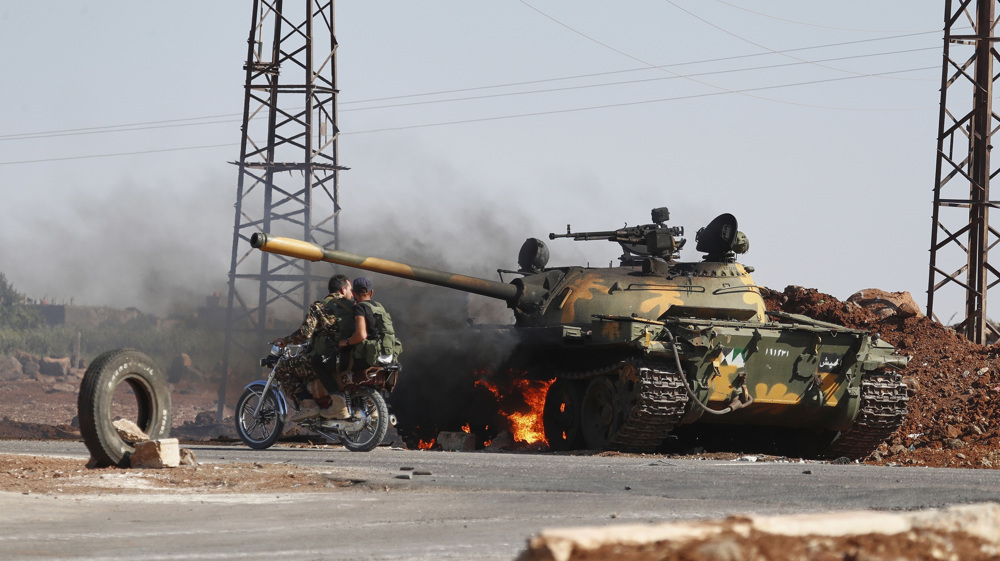
Syria’s Suweida: Fresh fighting reported between HTS forces, Druze fighters



US Republican lawmaker moves to impeach Hegseth over war on Iran
Top security, military brass hail 200 nights of rallies as proof of Iran’s strength
VIDEO | Sana’a has turned Saudi economic lifeline into strategic vulnerability
Yemeni army targets Aramco facilities, King Khalid Air Base in Saudi Arabia
VIDEO | Iran dismantled US-Israeli aura of power: Defense analyst
IRGC chief slams assassination of Sunni cleric in southeastern Iran, vows retaliation
Iran warns AI could become apparatus of ‘invisible dictatorship’ amid growing use in warfare
Iranian armed forces inflicted ‘serious damage’ on US warships: Senior commander


 PressTV NEWSLETTER
now
PressTV NEWSLETTER
now
 This makes it easy to access the Press TV website
