Israeli regime’s war failed to disrupt Iran's banking system: Top banker
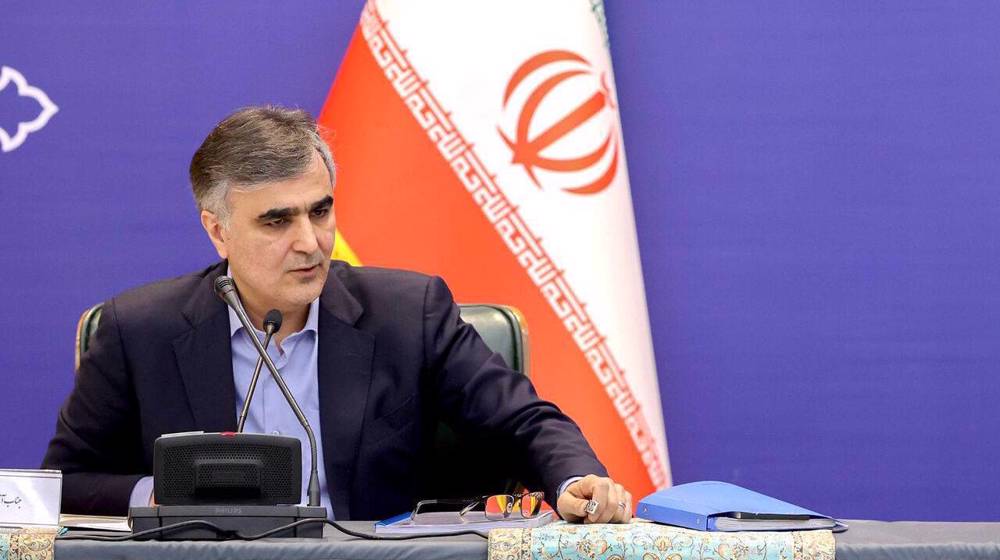
Iran's banking system stayed resilient in the face of the threats caused by the Israeli war on the country, according to the governor of the Central Bank of Iran (CBI).
In remarks on Tuesday, Mohammad Reza Farzin said there was no single disruption to banking services during the war.
Farzin said the regime's cyber and physical attacks on the Iranian banking assets failed to disrupt the flow of services to the people in the country.
He added that two banks were targeted in cyber attacks in the early days of the war, including Bank Sepah, which is Iran's largest bank by the number of branches and is responsible for paying the wages of the armed forces in the country.
"Our colleagues in the CBI immediately took over the operations and restored the debit card system of the affected banks," said the top banker.

He stated that private and state banks had also managed to process salary payments during the war without any issues.
CBI, he said, had also raised its funding for subsidized imports by $2 billion during the war as part of efforts to increase the country's food stocks.
The top banker said the lender has also allocated new sources to fund a government program that offers heavy discounts on the price of major food items consumed by households.
The Israeli regime started an unprovoked military aggression against Iran on June 13 by assassinating a number of high-ranking military commanders, nuclear scientists and ordinary civilians, including women and children.
The regime also carried out large-scale attacks on Iran's military and civilian infrastructure.
However, Iranian authorities say the aggression has hardly affected the daily routine of life in the country.
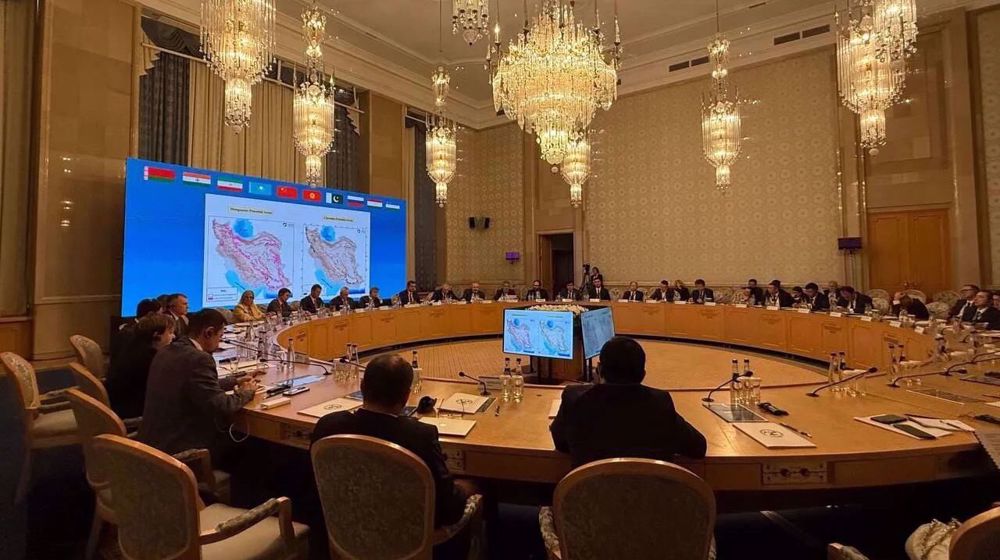
Iran finds new platform in SCO to develop its rare-earth potential
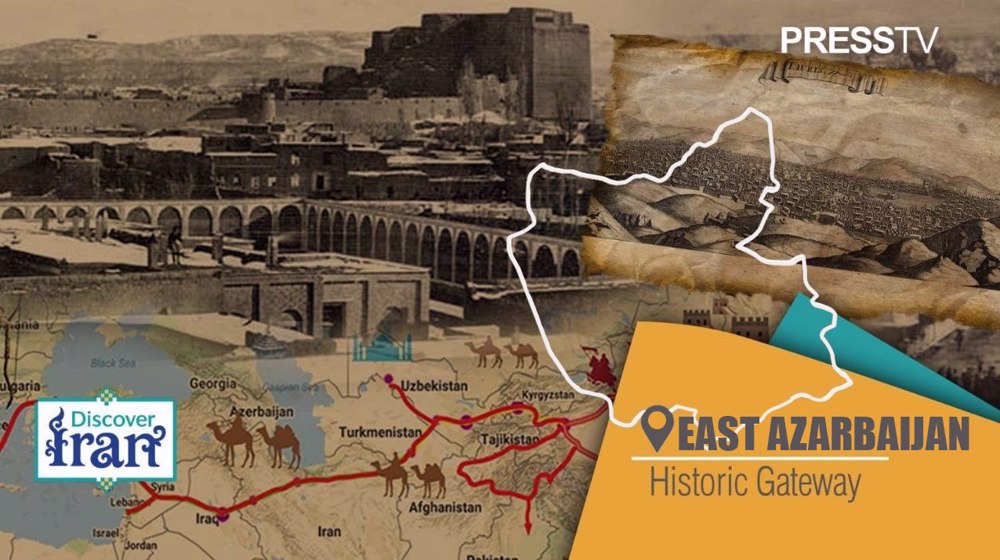
Discover Iran: Tabriz, where Iran’s Silk Road legacy meets industry, trade and a new economic future

Discover Iran: Tabriz’s centuries-old trading culture drives carpets, leather, industry and exports



ICRC: Palestinians in Gaza experience ‘death, destruction’ on daily basis
Trump announces ‘security’ agreement on Greenland after threatening to annex it
CPJ slams Israel’s abduction of Press TV journalist, demands her immediate release
‘Stop your crocodile tears’: Araghchi hits back at French FM over human rights allegations
Trump bars CNN, MS NOW and Politico from White House as they question his pro-war policies
Discover Iran: Tabriz, where Iran’s Silk Road legacy meets industry, trade and a new economic future
Sirens blare in Riyadh, across Saudi Arabia amid amid Yemeni retaliatory strikes
New images reveal severe destruction at US base in Kuwait after Iranian strikes



 PressTV NEWSLETTER
now
PressTV NEWSLETTER
now
 This makes it easy to access the Press TV website
