Iran’s National Elites Day celebrates knowledge, innovation and human capital driving nation's progress
By Ivan Kesic
Every breakthrough has a human story behind it, and Iran's National Elites Day, observed on Mehr 10 (October 2), offers an opportunity to celebrate the individuals whose intellect, dedication, and perseverance drive the country's scientific and technological advancement.
The occasion honors not only those who have achieved remarkable feats in their respective fields but also the broader culture of excellence that sustains Iran's progress.
From the laboratories to the halls of elite universities and the frontlines of technological innovation, Iranian elites embody the principle that knowledge is the foundation of national strength.
This year, many official ceremonies were held across the country, celebrating the elite community's tremendous contributions while emphasizing the strategic importance of human capital for the Islamic Republic's continued development and self-sufficiency.
Meaning and importance of National Elites Day
National Elites Day was placed in Iran's official calendar on Mehr 10, corresponding to October 2, and is associated with the birthday of the revered scientist and soldier Martyr Mostafa Chamran.
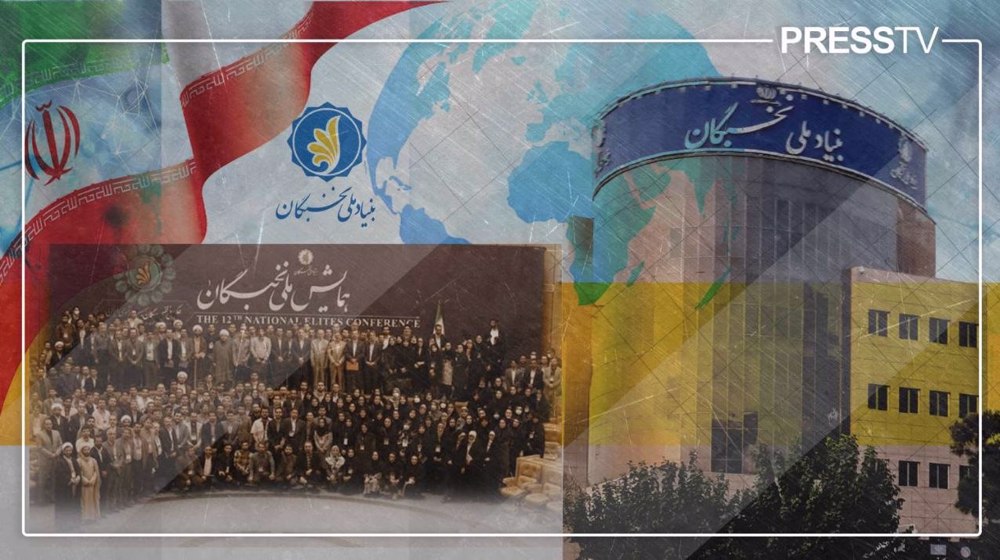
The National Elites Foundation describes the occasion as an opportunity to highlight the importance of elite talent in addressing national and global problems.
The day serves as a reminder that a country's true wealth lies not merely in its natural resources but in its human capital – the skilled, creative, and dedicated individuals capable of transforming knowledge into capability.
Iranian officials have consistently emphasized the importance of elites as the driving force behind national development.
The head of the Foundation for Martyrs and Sacrifice Affairs noted that the elite community among the families of martyrs and veterans has become an influential and distinguished group in society, serving as the axis of development and the vanguard of Iran's progress.
This perspective reflects the Islamic Republic's long-standing recognition that science and faith, when combined, produce the most effective and enduring contributions to society.
Leader's vision: The strategic role of elites
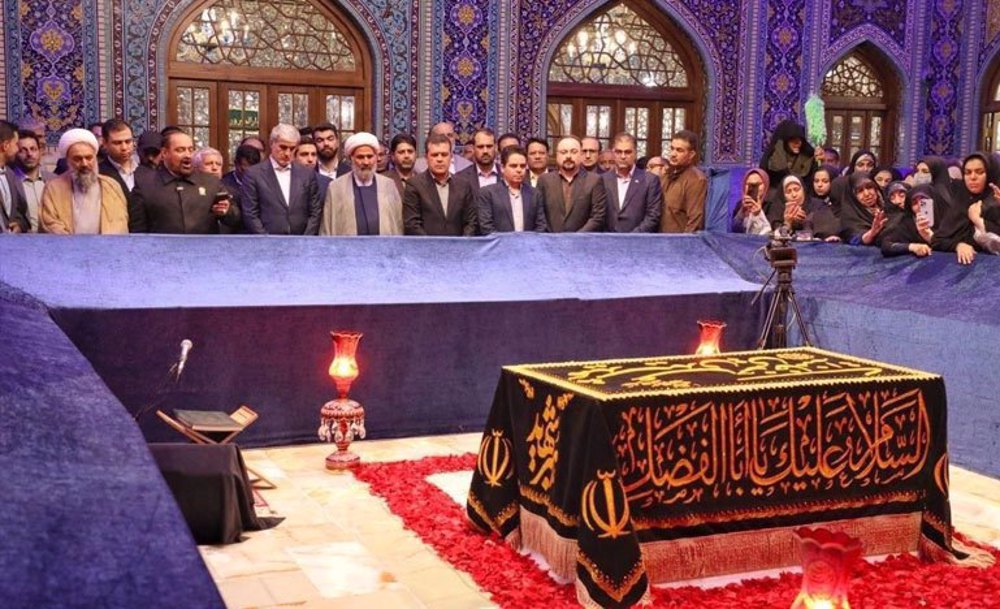
Ayatollah Seyyed Ali Khamenei, the martyred Leader of the Islamic Revolution, repeatedly emphasized the critical role of elites in the Iranian nation's future.
In his messages on the occasion of National Elites Days, the martyred Leader described elites as the principal assets of the nation, stressing the necessity of comprehensive support for their growth and contributions.
This guidance reflected a strategic vision that places human capital at the center of Iran's path toward sustainable development and self-reliance. His vision translated into practical policies and programs.
The Center for Elites and Distinguished Talents of the Armed Forces, established in 2007 following an order from the Leader, embodies the principle that military service should not interrupt a distinguished person's scientific and professional development.
Instead, the period of service becomes an opportunity to use their expertise to solve real national problems.
This institution has benefited approximately thirty-seven thousand elites who have participated in alternative service projects, with around three thousand new elites introduced annually through the National Elites Foundation.
From universities to industry: Knowledge-based economy
The transformation of scientific knowledge into practical capability has become a central pillar of Iran's economic strategy.
According to recent statistics, the number of knowledge-based companies in Iran has surpassed eleven thousand, producing over eighteen thousand technological products.
This growing ecosystem demonstrates the potential for a transition away from an oil-dependent economy toward one driven by innovation and expertise.
The Vice Presidency for Science, Technology, and Knowledge-Based Economy has played a crucial role in this transformation, establishing infrastructure such as the National Advanced Therapy Medicinal Products Laboratory and a National Clinical Research Organization.
These initiatives reflect a comprehensive approach to developing biotechnology and other strategic fields, ensuring that scientific breakthroughs translate into tangible benefits for society.
The emphasis on value chains based on Iran's comparative advantages has created employment opportunities and strengthened the nation's industrial foundation.
Mandate for problem-solving
A recurring theme in the discourse surrounding National Elites Day is that genuine elite status is demonstrated through the ability to solve real problems.
A senior advisor to the Expediency Council stated that the true elite is one who offers solutions to the country's challenges, emphasizing that elite status should not be limited to producing academic papers but must penetrate strategic industries such as energy, transportation, and construction.
This perspective aligns with the broader national effort to ensure that scientific expertise serves practical needs and contributes to the nation's development.
The experience of the Sacred Defense offers a powerful historical example of this principle.
During the Imposed War, unknown elites changed global engineering and medical equations under difficult conditions, demonstrating that necessity and faith can produce extraordinary innovation.
This legacy continues to inspire contemporary efforts to harness elite talent for national advancement.
Celebrating excellence across the nation
This year's National Elites Day has been marked by ceremonies throughout the country. The fifteenth National Elites Conference, titled "The Covenant of Elites: With Iran Tomorrow," convened at the International Conference Center of the Islamic Republic of Iran.
The event brought together distinguished talents and elite figures to emphasize their role in shaping the nation's future. Provincial ceremonies have honored elites in various fields, reflecting the geographic and disciplinary diversity of Iran's talent pool.
The Foundation for Martyrs and Sacrifice Affairs organized ceremonies to honor distinguished elites from among the families of martyrs and veterans, recognizing their unique contributions to society.
These events serve not only as celebrations but as strategic gatherings to strengthen the connection between elite talent and national decision-making structures.
Martyr Mostafa Chamran: the ideal of knowledge and sacrifice
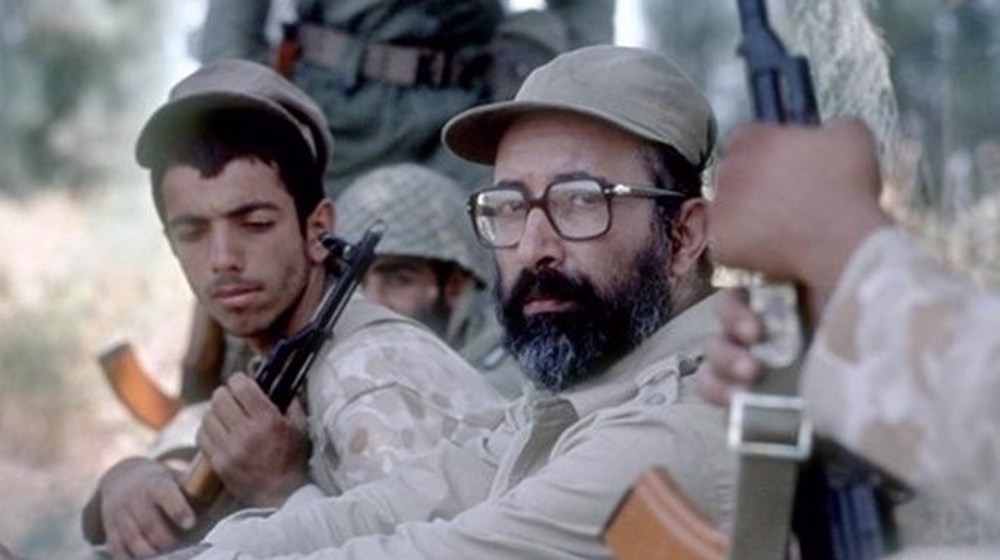
Among the figures honored on National Elites Day, none embodies the ideal of the elite citizen more completely than Martyr Mostafa Chamran, whose birthday coincides with the occasion.
Born in 1932 in Tehran, Chamran distinguished himself from an early age as a student of exceptional promise. He ranked 15th in the university entrance examination and was admitted to the University of Tehran in electromechanical engineering, graduating first in his class.
His academic excellence earned him a government scholarship to Texas A&M University, followed by a doctorate in electronics and plasma physics from the University of California, Berkeley, with the highest honors.
Yet Chamran's greatness lay not merely in his scientific achievements. While in the United States, he founded the Muslim Students Association and was among the founders of the Iranian Students Association in California.
His political and religious activities led to the revocation of his scholarship by the monarchy, but he continued his work, joining NASA in a position of prestige and high remuneration.
His heart, however, was drawn to struggle and sacrifice. He participated in a sit-in at the United Nations that lasted a week, an act considered extremely risky for a scientist of his standing.
He then traveled to Egypt, where he secretly underwent two years of rigorous guerrilla and partisan warfare training, remaining undetected even by the most sophisticated intelligence services.
Following the victory of the Islamic Revolution, he returned to Iran after 33 years of exile, dedicating himself to the training of the first IRGC units.
His leadership during the siege of Paveh, where he rescued the city from anti-revolutionary forces, became one of the defining moments of his military career.
Chamran spent seven years in Lebanon, where, with the assistance of Imam Musa Sadr, he founded the Movement of the Deprived and its military wing, the Amal organization.
He trained resistance fighters and conducted numerous operations against Zionist military positions, becoming a figure of legend in the struggle for liberation.
He went on to serve as Minister of Defense and as a representative of Tehran in the Islamic Consultative Assembly.
When the Iraqi-imposed war began, Chamran did not remain in Tehran issuing orders from a command room. He went to the southern frontlines, establishing the Irregular Warfare Headquarters in Ahvaz and leading his forces from the front.
Even when wounded, he refused evacuation, returning to the field with a cane after only a few days of rest. On June 21, 1981, at the age of forty-eight, he was struck by mortar shrapnel in the Dehlavieh region and martyred while being transported for treatment.
The Leader of the Islamic Revolution described Martyr Chamran as a complete role model, noting that he was a scholar in the true sense of the word, knowledgeable and well-educated, and at the same time a true soldier who fought on the path of God.
Material concerns, positions, wealth, and fame held no importance for him. Despite his gentle, sympathetic, poetic, and mystic nature, he was a tenacious soldier in the field of battle.
This combination of scientific excellence and selfless sacrifice represents the highest expression of the elite ideal that National Elites Day seeks to honor.

Anthropic admits advanced AI may pose ‘existential risks to humanity’

OpenAI models 'infiltrated' Australian govt. websites during internal testing: PM
Meet the Iranian researcher behind breakthrough method for high-dimensional data search



National Elites Day: Remembering Iranian scientists and academics martyred in two imposed wars
Emami, Azarpira add two more wrestling golds for Iran at Asian Games
Ground forces denied US opportunity for ground invasion: Army spox
National Elites Day celebrates knowledge, innovation and human capital driving nation's progress
Iran dismantles 4 US-Israeli-backed sabotage networks in Kerman province
VIDEO | Yemeni fighters advancing against Saudi forces
VIDEO | Press TV's news headlines
VIDEO | Is Trump out of options in Iran?


 PressTV NEWSLETTER
now
PressTV NEWSLETTER
now
 This makes it easy to access the Press TV website
