‘Baseless lies’: Top Iranian MP mocks US claims of fuel crisis, warns against miscalculation
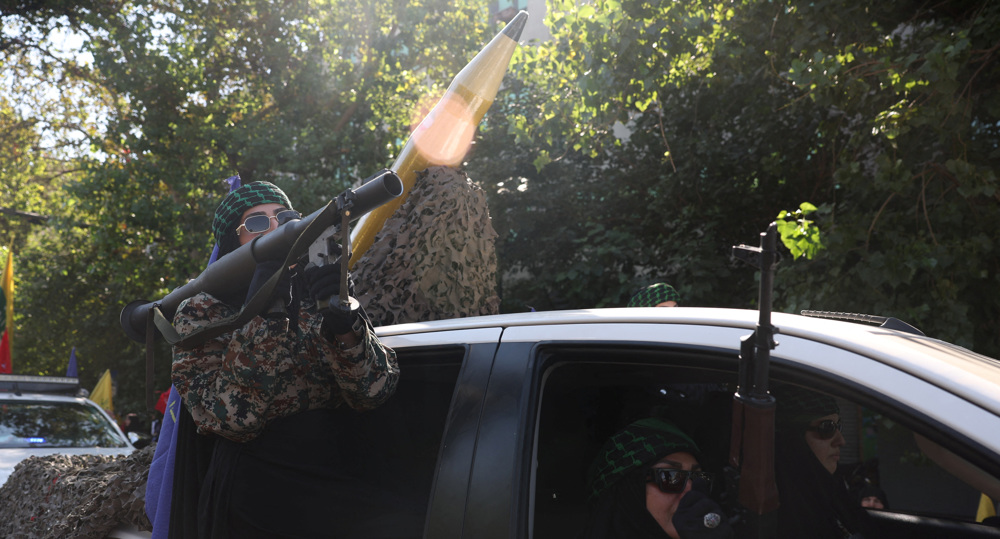
A senior Iranian lawmaker has derided claims by the US Treasury Secretary Scott Bessent regarding severe fuel shortages in Iran as “baseless lies,” warning the US against any further strategic miscalculations.
Ebrahim Azizi, the spokesman for the Iranian Parliament’s National Security and Foreign Policy Committee, issued the rebuke in response to recent remarks by Bessent, who attempted to portray Iran as a nation paralyzed by fuel rationing and economic “shock.”
To debunk the American narrative, Azizi shared a field report by the Iran Press Agency that interviewed citizens at gas stations across the country, showcasing a smooth, uninterrupted refueling process.
“Once again, it has been proven that your ‘so-called’ intelligence is nothing more than baseless lies,” Azizi wrote on X, directly addressing Washington.
He warned the US military and intelligence apparatus: “Learn the lesson and avoid another miscalculation; otherwise, our armed forces will teach you a lesson you will never forget.”
Washington’s psychological warfare
The Iranian lawmaker’s comments come after Bessent used the 2026 G20 Summit earlier this month to amplify claims of economic shock within Iran, as the Trump administration intensifies its campaign of economic pressure against Tehran.
“They now have three, four-hour gas lines,” Bessent claimed, attempting to highlight the supposed effectiveness of the US naval blockade and sanctions regime.
“Could you imagine a country in the world with the third-largest amount of energy resources has to import gasoline? They now have three, four-hour gas lines that go through the night,” the Treasury Secretary told attendees.
Boasting about the US economic siege, Bessent added, “We have the blockade, and we are going to continue exerting pressure.”
However, the reality on the ground in Iran stands in contrast to the scenarios painted by US officials.
The dissemination of footage showing fully operational gas stations and steady fuel supplies exposes Bessent’s claims as a calculated psychological operation designed to demoralize the Iranian public and project a false image of US success.
US Treasury Secretary claimed during a House hearing that Iranians are now waiting 3 to 4 hours in line for gasoline. But footage and reports from gas stations in #Iran show the opposite, with people filling up in just three to four minutes rather than waiting for hours.#USWar pic.twitter.com/SjTMTQjDMv
— IranPress (@IranPress_eng) September 16, 2026
The US claims of fuel shortages are the latest iteration of a sprawling economic war that Washington has waged against Tehran, which has recently escalated into a full-scale naval blockade alongside the ongoing US-Israeli military aggression.
Since unilaterally withdrawing from the 2015 nuclear deal and imposing “maximum pressure” sanctions, the United States has sought to cripple Iran’s oil exports, freeze its foreign assets, and block its access to the global financial system.
The goal has been to induce economic collapse, spark domestic unrest, and force the Iranian government into capitulation.
In response, Iran has spent the last decade developing a “resistance economy,” a strategic doctrine aimed at neutralizing the impact of Western sanctions by boosting domestic production, diversifying trade routes, and relying on indigenous technological advancements.
Despite being one of the world’s top energy producers, Iran faced historical challenges with domestic gasoline refining capacity, which previously forced the country to import fuel.
However, through massive investments in domestic infrastructure, the completion of the Persian Gulf Star Refinery, and the expansion of other petrochemical complexes, Iran has achieved near-total self-sufficiency in gasoline production.
Iran FM: Our first task in New York is to defend the just cause of Iranian people
US visa ban on Iranian president’s media team is bid to hide the truth: FM spokesman
US aggression, economic warfare amount to crimes against humanity: Iran's UN envoy



‘Iron shield’: Knowledge, morality will ‘cut off’ hands of aggressors, Leader tells students
‘National dignity is our red line’: Iranian advisor warns enemies
Republican support for Trump’s war on Iran erodes amid deepening party divisions: Poll
‘New tactics’ will crush any future aggression, Iran’s Army warns
Israel, US repeat Saddam’s miscalculation about Iran: Expediency Council chief
VIDEO | Ayatollah Khamenei and eight years of imposed war
Trump can’t impose his power on Iran; we can withstand any war: Parliament speaker
VIDEO | Israeli attacks escalate in Lebanon as US-brokered deal yields only concessions: Press TV reporter


 PressTV NEWSLETTER
now
PressTV NEWSLETTER
now
 This makes it easy to access the Press TV website
