Yemen's control of Bab al-Mandab 'deepens crisis' in Israel

The rapid advance of Yemeni Armed Forces (YAF) against Saudi-backed mercenaries along the country’s Red Sea coast and the YAF’s consolidation of its control over the vital Bab al-Mandab Strait have heightened concerns in Israel about the ongoing crisis at the Port of Eilat, Israeli media reports say.
The Port of Eilat has been almost completely shut down for nearly three years due to the Yemeni retaliatory attacks conducted in support of Palestinians following Israel’s genocidal war in Gaza.
In July, Sana’a announced a naval blockade on Saudi Arabia in response to the devastating, years-long siege imposed on Yemen by the Saudi-led coalition.
Saudi Arabia is reportedly facing depleted reserves of missile interceptor systems and has appealed to regional partners and Western allies for assistance as Yemeni Armed Forces also continue retaliatory missile and drone operations against strategic sites deep inside the kingdom.
“Even before the threat to Saudi oil routes prompted Crown Prince Mohammed bin Salman to seek US assistance, the Houthis had already registered a significant strategic achievement against Israel by almost completely disrupting regular commercial shipping to the Port of Eilat,” Israel’s Jerusalem Post reported, in reference to the Yemen's popular Houthi Ansarullah resistance movement whose fighters fight alongside the country’s military.

Israeli media has repeatedly pointed out to the devastating impact of Yemen’s pro-Gaza operations on the Port of Eilat and Israel’s economy.
In its January 2026 report, Yedioth Ahronoth said that “The port's revenues, which previously reached about $74 million a year, have dropped to almost zero.”
“Nearly three years have passed … and no solution remains. [Israel] has repeatedly struck Houthi targets in Yemen, the state has provided assistance to the port, and an alternative import route has been established through Aqaba. None of this has brought international shipping companies back to regular, direct sailings from the East to Eilat,” the Jerusalem Post added on Thursday.
The report noted that no Israeli cabinet decision has “defined” the restoration of shipping at the shuttered port as a “security and diplomatic objective”.
The outlet described the Yemeni armed forces’ control of Bab al-Mandab as an “urgent strategic issue” for both Saudi Arabia and Israel, adding that the new developments allow the YAF to monitor movements and enhance their targeting of vessels.
“Israel and Saudi Arabia now have parallel diplomatic and strategic interests concerning the same maritime route. From Israel's perspective, Saudi Arabia's predicament creates an opportunity that did not previously exist to the same extent: to harness a regional effort around Bab al-Mandab to restore shipping to Eilat as well,” it claimed.
For nearly a decade, the Saudi-led coalition has enforced a crippling land, sea, and air blockade on Yemen, which the United Nations has repeatedly described as a primary driver of the world's worst humanitarian crisis.
This siege has deliberately targeted Yemen's ability to import food, fuel, and medicine, while simultaneously attempting to plunder the nation's oil and gas resources.
Utilizing their advanced asymmetric naval capabilities, including drones and missiles, Yemen has shifted from a purely defensive posture to an active pressure campaign.
This strategy is designed to inflict direct economic and military costs on the Saudi regime until the siege is permanently lifted, the war is ended, and Yemen's full sovereignty is restored.

US senator slams ‘bogus’ spy claims, demands immediate release of Press TV journalist

Israeli occupation court extends detention of Press TV journalist Naqaa Hamed

‘Organized, illegal, aggressive’: Press TV slams abduction of West Bank journalist by Israeli forces



Yemen's control of Bab al-Mandab 'deepens crisis' in Israel
Iran calls for ‘zero-tolerance’ policy on attacks against nuclear facilities at IAEA
Skyrocketing US inflation
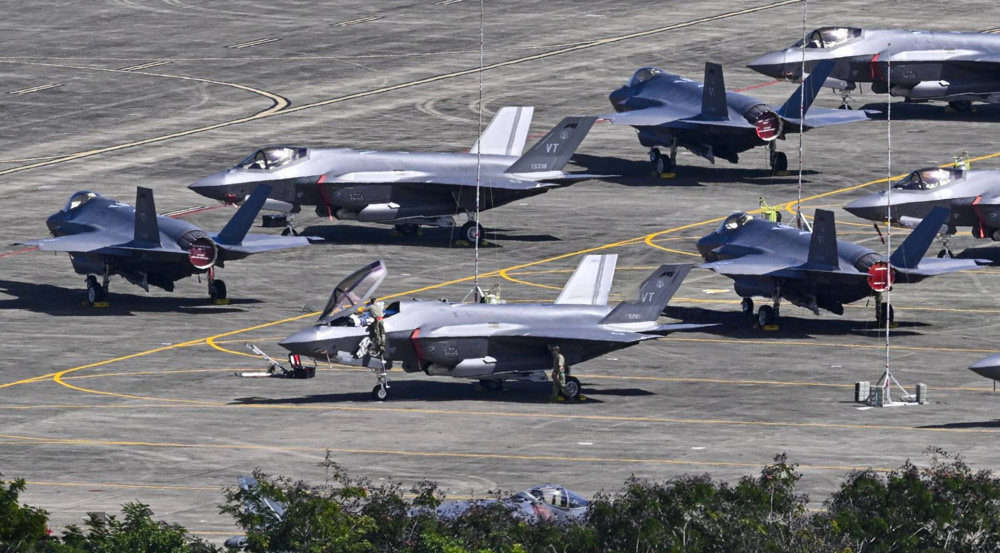
US clears way for F-35 sale to Saudi Arabia amid aggression against Yemen
‘Nightmare for enemies’: Iran launches mass ‘Sacrifice for Iran’ drill
Iran: Unilateral US weaponization of space accelerates arms race
Russia, China veto rejects ‘political abuse’ of UNSC, marks end of ‘unipolar order’: Qalibaf
Iran finds new platform in SCO to develop its rare-earth potential




 PressTV NEWSLETTER
now
PressTV NEWSLETTER
now
 This makes it easy to access the Press TV website
