US military nearing 'breakdown' amid sustained Iranian attacks: US officials
The Islamic Republic of Iran is pushing the US military to the brink of a “breakdown” through sustained attacks on American bases and warships across West Asia, according to US officials familiar with military operations in the region.
Citing two US officials familiar with military operations, The Intercept reported on Tuesday that sustained Iranian retaliatory attacks on US bases and warships had severely strained American military readiness.
One of the officials cautioned that the mounting pressure could eventually lead to a “breakdown” in the military’s ability to effectively sustain the war on Iran.
The officials pointed to depleted stocks of defensive munitions, mounting casualties, maintenance problems, prolonged troop deployments and increasingly difficult logistics as signs of the growing pressure on US forces.
The report said the mounting pressures had further intensified concerns over the Pentagon’s already strained budget, casting doubt on repeated assurances by the Trump administration about the strength and readiness of the US military.
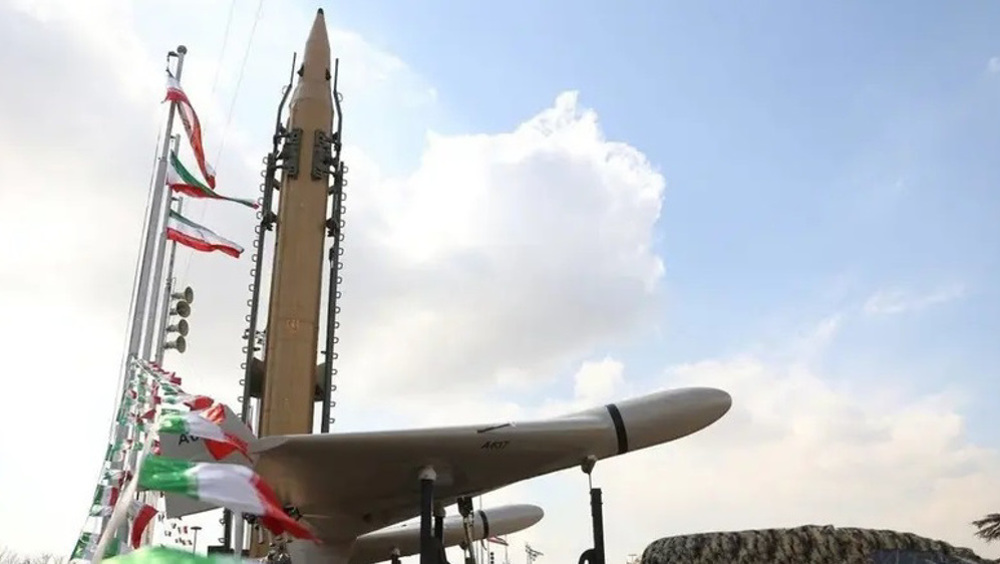
The report added that Iran’s ability to overwhelm US air defenses in the region with drones and advanced ballistic missiles had left the US military in a precarious position.
One official said the Trump administration had failed to properly assess Iran’s military capabilities, while the other pointed to Washington’s “complete lack of planning” for the war.
One of the officials said Iran’s recent attacks on US warships with ballistic missiles represented a “go for broke” strategy aimed at increasing economic pressure on Washington ahead of the US midterm elections.
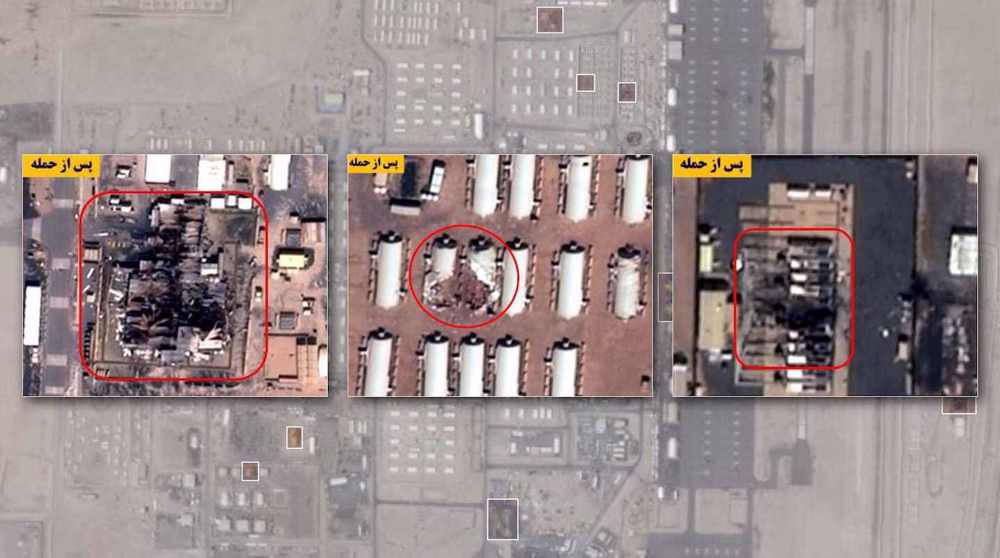
The officials also pointed to damage inflicted on key US military facilities across the region.
Iranian missile and drone attacks damaged — among various US-run bases in the region — Navy facilities in Manama, Bahrain, the headquarters of the US Fifth Fleet and a key regional logistics hub.
More than six months after the attack, Naval Support Activity in Bahrain remains severely damaged, according to the report.
A Wall Street Journal investigation estimated that rebuilding the Fifth Fleet headquarters, barracks and communications infrastructure could cost more than $400 million.
The report also highlighted problems affecting US aircraft carriers. The USS Gerald R. Ford suffered extensive damage from a laundry-room fire early in the US war against Iran, while the USS Abraham Lincoln spent much of a nine-month deployment at sea without port calls, reportedly contributing to morale and supply problems among its crew.
While the aircraft carriers are nuclear-powered, the aircraft and helicopters they carry, along with other US Navy ships, require millions of gallons of fuel each week. The sailors aboard the vessels also require hundreds of thousands of meals, creating a major logistical burden for the US Navy.
The ships now have to transport supplies more than 2,000 miles from Diego Garcia, the longtime US military base on an island in the Indian Ocean.
A US War Department inspector general report released on Monday said the shift in “naval bases and support ports posed significant challenges,” specifically citing difficulties in “shifting logistics support and infrastructure to Diego Garcia” and “extended sea transit requiring 14- to 18-day logistics cycles.”
“It’s difficult and ultimately unsustainable,” said the second official, who told The Intercept that White House assumptions that Iran would “crack” before the Navy have yet to be borne out.
Meanwhile, US forces remain exposed to attacks, with Iranian forces targeting US military facilities across Bahrain, Jordan, Iraq, Kuwait, Qatar, Saudi Arabia and the United Arab Emirates since the war began in late February.
Last week, the Islamic Revolution Guards Corps (IRGC) said its forces had “simultaneously attack[ed] the American bases in Jordan, Bahrain, and Erbil,” including a “combined missile-drone attack” on the headquarters and residence of the US commander at Ali Al Salem Air Base.
A Pentagon inspector general report said Iranian strikes had damaged or destroyed hundreds of buildings and structures at US bases across the region and that dozens of US aircraft had been destroyed or damaged.
The report said the war had also depleted stocks of advanced air-defense interceptors, including Patriot and THAAD systems, raising further questions about Washington’s ability to sustain prolonged military operations against the Islamic Republic while maintaining its military presence across the region.
Pentagon finally admits Iran struck US F-35 fighter jet
Iran downs third US MQ-1 drone over Strait of Hormuz in 24 hours

Iranian nation shattered aggressor’s illusions with sustained popular rallies: Parliament speaker



Pakistan says strategic ties with Iran key to its mediation efforts
New photos reveal Iranian strikes inflicted extensive damage to US targets in West Asia
Amazon can't restore US cloud infrastructure in Bahrain, UAE after Iranian retaliation: Report
Iran’s energy rebuild sparks unprecedented industrial shift
VIDEO | Italy’s Israel criticism bill raises free speech concerns as it faces lower House review
Discover Iran: Tabriz’s centuries-old trading culture drives carpets, leather, industry and exports
200 nights, one resilient nation: Iranian people’s epic in defense of homeland and Revolution
Iran’s military victory must be complemented by victory in battle of narratives: Basij chief


 PressTV NEWSLETTER
now
PressTV NEWSLETTER
now
 This makes it easy to access the Press TV website
