Yemen armed forces seize strategic Red Sea port city of Mokha
Yemeni armed forces took control of the strategic Red Sea port city of Mokha on Thursday, launching a rapid advance toward the vital Bab al-Mandab strait in a major blow to Saudi-backed mercenaries.
The liberation of Mokha was confirmed by Saudi-backed media and military sources, who acknowledged their retreat and the loss of the coastal hub.
The confirmation marks the latest in a string of rapid territorial gains by the Yemeni armed forces, which include Ansarullah units, along the western coast.
According to Reuters, retreating Saudi-backed fighters reported that Yemeni forces have already begun launching attacks on the strategic Hanish Islands in the Red Sea, tightening their grip on the maritime approaches to the Bab al-Mandab strait.
The capture of Mokha followed a lightning-fast offensive earlier on Thursday, during which Yemeni troops seized two key areas in the western province of Hudaydah, the districts of Hays and al-Khawkhah.
Hudaydah Provincial Governor Abdullah Atifi stated that Yemeni army soldiers had fully cleared the districts of Saudi-backed mercenary forces, paving the way for the subsequent push into Mokha.
Hours prior to the capture of Hays and al-Khawkhah, Yemeni military units established control over the coastal fishing town of Yakhtul in the southwestern province of Ta’izz following intense clashes with Saudi-sponsored mercenaries.
.@HussainBukhaiti warns that unless Yemen destroys Saudi bases and depots, Riyadh will simply regroup and launch further attacks.
— Highlights (@highlightsnews1) September 9, 2026
Follow Press TV on Telegram: https://t.co/gqNNnUKNvy pic.twitter.com/UP2xdkOIPQ
The sequential capture of Yakhtul, Hays, al-Khawkhah, and finally Mokha has effectively shattered the opposing forces' coastal defensive lines.
In a separate military development, Yemeni military spokesman Brigadier General Yahya Saree announced that the country’s air defense units shot down a Saudi-operated Vestel Karayel surveillance drone.
The unmanned aerial vehicle was struck and destroyed with a surface-to-air missile while conducting “hostile operations” over the Hajjah province.
Saudi airstrikes fail to halt advance
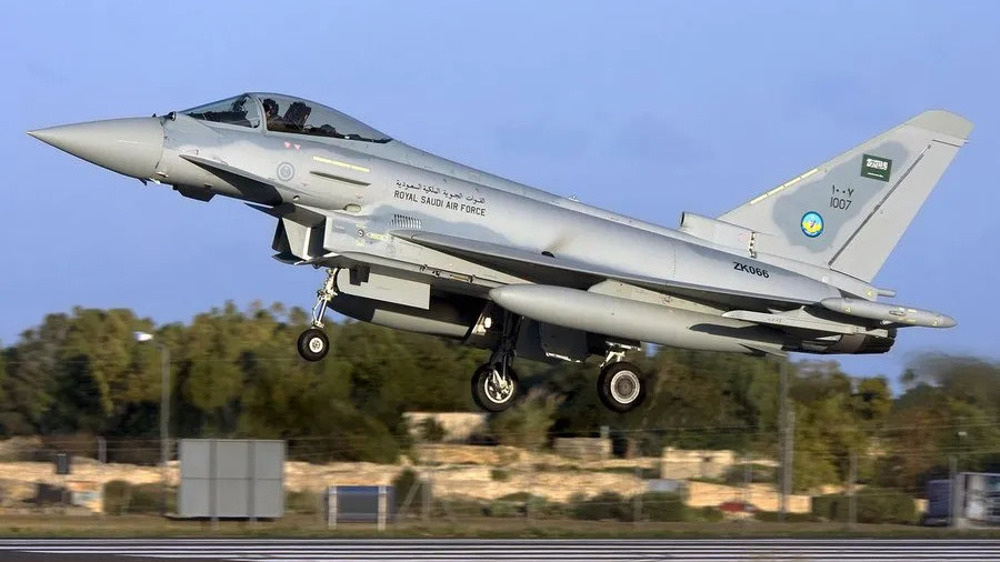
In a desperate attempt to stem the Yemeni advance, Saudi military aircraft carried out 40 airstrikes across four Yemeni provinces on Thursday. However, the bombardment failed to prevent the loss of Mokha.
According to Yemen’s official Saba news agency, Saudi warplanes launched 10 strikes on the al-Hazm and al-Ghayl districts in the northern al-Jawf province, and another three attacks on the al-Jubah district in the central Ma’rib province.
Eighteen more strikes targeted the districts of Mawza, Maqbanah, the Mokha Junction, and other areas in Ta’izz province. In Hudaydah province, Saudi fighter aircraft conducted nine strikes on the districts of al-Salif and al-Tuhayta, as well as Kamaran Island.
The current escalation is the latest chapter in a devastating war that began in March 2015, when Saudi Arabia and several of its allies launched a comprehensive war of aggression and blockade against Yemen, backed by the United States and several Western countries.
Despite tens of thousands of Yemeni casualties, Riyadh failed to achieve its primary goal of installing a compliant puppet government.
Yemeni forces celebrate after taking control of the western city of Hays.
— Press TV 🔻 (@PressTV) September 9, 2026
Follow: https://t.co/oa9JV4ikYQ pic.twitter.com/sUaItxpbpG
A UN-brokered truce in 2022 largely halted the front-line fighting but failed to produce a lasting political settlement or lift the suffocating siege.
On July 20, the Sana’a government officially declared a maritime blockade against Saudi Arabia, asserting that Riyadh has maintained “an unjust and oppressive siege” on Yemen for nearly 12 years, “exploiting our resources and imposing a complete blockade.”
Subsequently, the Yemeni Armed Forces have launched a series of highly successful naval and drone operations targeting Saudi-linked vessels in the Red Sea.
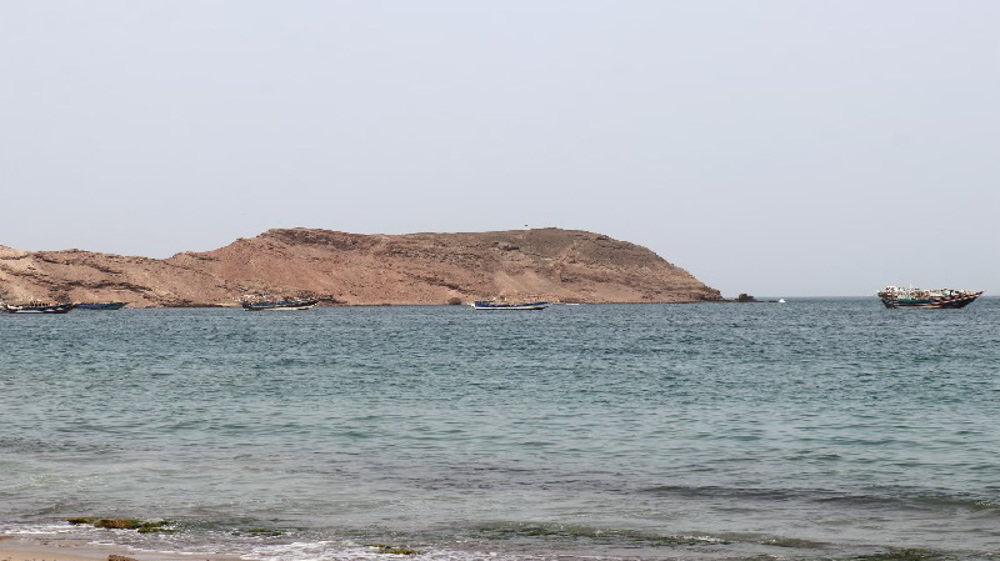
The push toward Bab el-Mandeb, Arabic for the "Gate of Tears," named for its perilous navigation conditions, is of immense geopolitical significance.
Located between Yemen on the Arabian Peninsula and Djibouti and Eritrea on the African coast, the strait is the southern outlet of the Red Sea.
It serves as one of the world's most critical chokepoints for crude oil and fuel bound for the Mediterranean via the Suez Canal, as well as for global commodities and Russian oil shipments heading to Asia.

Yemen taught US Navy ‘a hard lesson’: Ansarullah
Saudi warplanes bombard areas recently liberated in Yemeni army’s advances
Ansarullah takes over Bab al Mandab Strait



VIDEO | Iraq’s fuel crisis deepens amid supply disruptions
US tested Lockheed cluster missiles on Iranian civilians, Baghaei says
Iran, Oman jointly postpone Persian Gulf foreign ministers’ meeting
VIDEO | Gaza’s women: The sole providers of families shattered by war
VIDEO | News Review: Trump’s comments on Irish unification spark backlash among his British allies
VIDEO | Press TV's news headlines
Yemen reports 58 Saudi attacks in one day, vows decisive response
VIDEO | US failed economic policy on Iran






 PressTV NEWSLETTER
now
PressTV NEWSLETTER
now
 This makes it easy to access the Press TV website
