How Gaza's environmental catastrophe amid genocidal war boomeranged onto Israeli desalination plants
By Yousef Ramazani
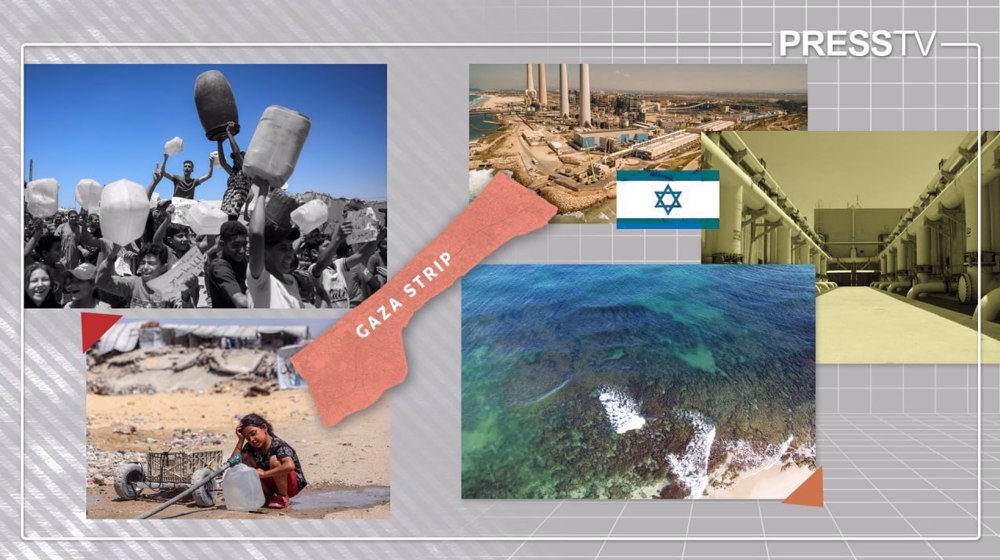
In a striking case of ecological blowback, a massive microalgae bloom that shut down five of the Israeli regime's six major desalination plants in early September 2026 has been linked by scientists to the catastrophic collapse of Gaza's wastewater infrastructure, a crisis that has exposed the profound environmental interdependence between the occupied territories and the occupying power.
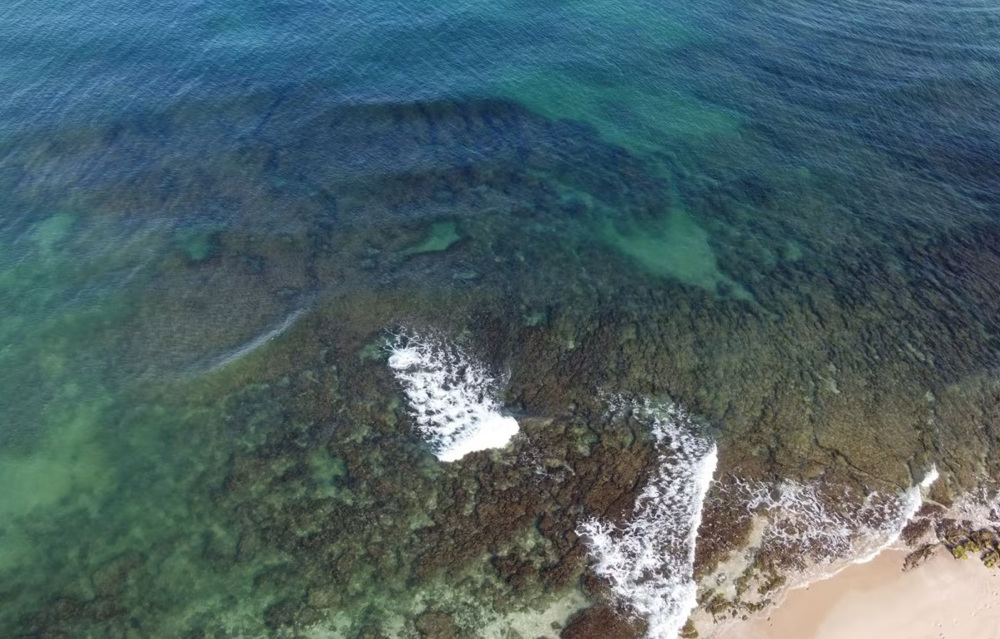
The Mediterranean Sea off the coast of the Zionist entity turned an unusual shade of green in the final days of August 2026, as a miles-long bloom of microscopic cyanobacteria spread along the shoreline, stretching from the Nile Delta northward past Gaza and into Israeli-occupied coastal waters.
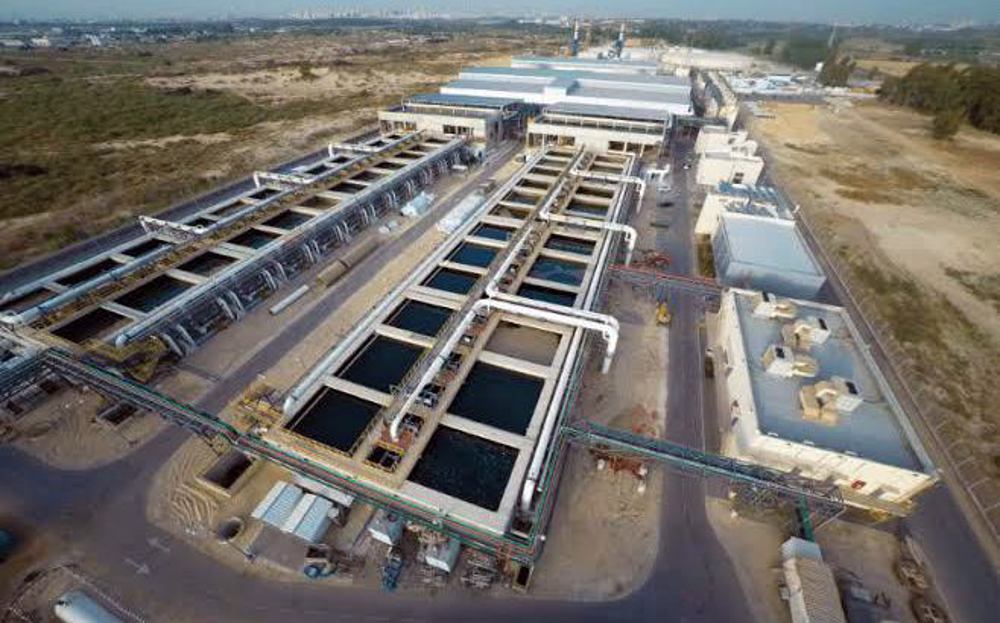
Within days, five of the six major seawater desalination plants that supply the majority of the regime's drinking water were forced to shut down or operate at severely reduced capacity.
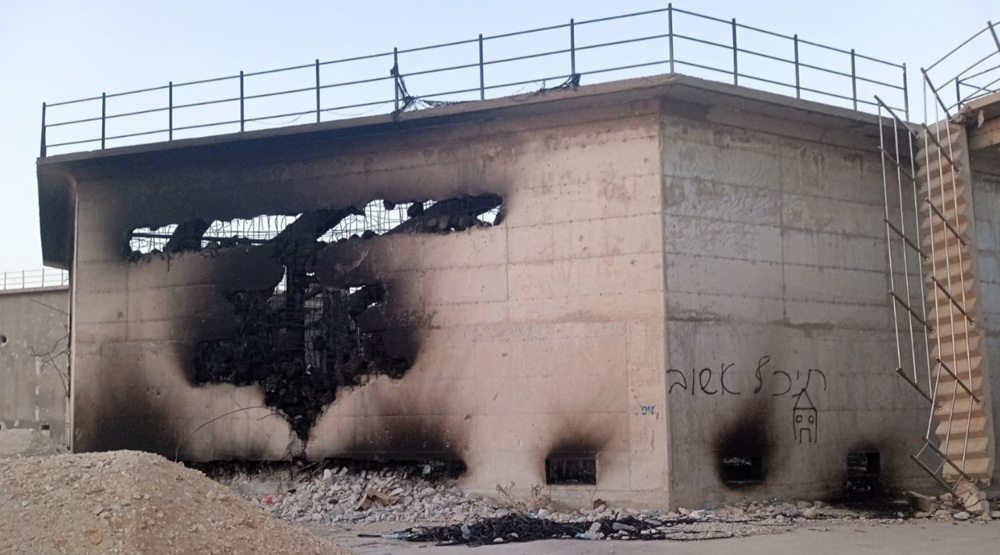
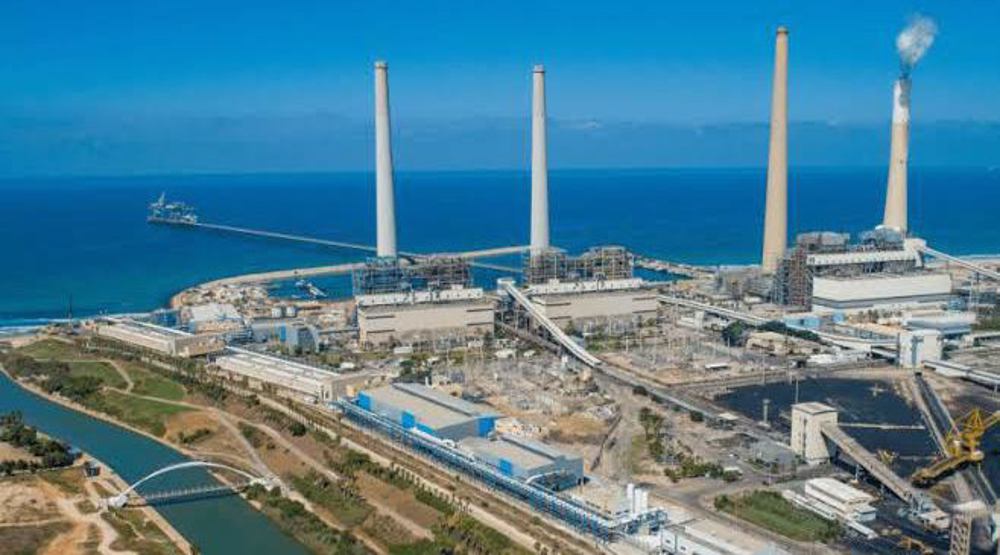
The Ashkelon, Ashdod, Palmachim, Sorek A, and Sorek B facilities—all located along a roughly 50-kilometer stretch of coastline—were simultaneously affected by the unprecedented biological event.
While the Israeli regime's water authorities scrambled to compensate by over-pumping from the Sea of Galilee and underground aquifers, a deeper investigation emerged into what had caused this "extremely rare event" and what role the destruction of Gaza's sewage infrastructure had played in creating the conditions for such a massive ecological disruption.
Perfect storm: From Nile Delta to Israeli-occupied coast
The organism responsible for the bloom has been identified as a cyanobacterium from the genus Synechococcus, a photosynthetic microorganism so small—approximately two microns in size—that it can pass through standard intake screens and overwhelm the pretreatment systems of desalination plants.
Israeli researchers are still working to identify the exact species, but they have claimed that the bloom originated near Egypt's Nile Delta and was carried northward by Mediterranean currents.
Desalination facilities in northern Sinai experienced similar disruptions as early as August 30, before the crisis fully developed in Israeli-occupied waters, strongly suggesting that the phenomenon was a regional marine event rather than one originating exclusively off Gaza.
The ecological conditions were ripe for a massive proliferation of cyanobacteria. Record-high Mediterranean sea temperatures, intense late-summer sunlight, and a recent storm that increased turbidity created what one researcher described as a "perfect storm."
Synechococcus thrives in warm, nutrient-rich waters, and the eastern Mediterranean was experiencing precisely those conditions.
However, the exceptional scale of the bloom—described as the largest seen in 20 to 30 years—has led scientists to look for an additional nutrient source that could have transformed a routine algal event into a crisis that would incapacitate most of the Israeli desalination capacity.
Gaza's sewage crisis: A nutrient bomb in the Mediterranean
The catastrophic state of Gaza's wastewater infrastructure has become central to understanding the severity of the bloom.
International assessments have documented that all six of Gaza's wastewater treatment plants are non-functional, centralized treatment has ceased, and approximately 70 percent of sewage pumping stations are inoperable.
According to the Palestinian Water Authority, an estimated 40,000 to 60,000 cubic meters of untreated sewage are being discharged directly into the Mediterranean Sea each day.
This raw sewage contains massive concentrations of nitrogen and phosphorus—the very nutrients that act as fertilizer for cyanobacteria and other photosynthetic microorganisms.
Israeli environmental organizations have pointed directly to this connection. The executive director of the marine conservation group Zalul stated that the scientific link is well established and that untreated sewage discharged into the sea from Gaza was one of the factors that contributed to the incident.
The head of Ben-Gurion University's Climate Change Laboratory described the conditions as a perfect storm, noting that global warming had turned the Mediterranean into a bathtub in August and that adding phosphorus and nitrogen pollution to such warm waters results in deadly algal blooms.
He explained that weak, steady winds had helped mix the nutrient-rich sewage along the Israeli coast, creating conditions that allowed the bloom to flourish.
Scientific debate and the boomerang effect
While some Israeli researchers have cautioned against identifying Gaza's sewage as the sole cause of the bloom, the evidence for its contribution is substantial.
A marine ecologist at the Israeli Institute of Oceanography has argued that the likelihood of Gaza sewage being the primary driver is relatively low, pointing to the simultaneous disruptions in northern Sinai as evidence of a broader regional phenomenon originating in the Nile Delta.
However, even this position does not exclude the possibility that Gaza's sewage acted as an amplifier, intensifying the bloom as it moved northward along the coast.
The lead water researcher at the Arava Institute offered a more direct assessment, stating that the high temperatures pushed the algae bloom northward and that the algae may also have been contaminated with sewage from Gaza.
He emphasized that the crisis demonstrated that the Israeli regime cannot turn a blind eye to what is happening in Gaza, noting that none of the wastewater plants in Gaza are working because of the genocidal aggression, and large amounts of sewage are being dumped into the Mediterranean.
The situation represents a classic case of environmental blowback. The systematic destruction of Gaza's civilian infrastructure, including its wastewater treatment facilities, has created a pollution source that does not respect borders or ceasefires.
The Mediterranean Sea, which the Israeli regime has treated as an infinite resource for desalination, has demonstrated that the environmental consequences of military actions can return to the shores of the perpetrator with devastating effect.
The crisis has exposed a fundamental vulnerability: the Zionist entity's water security depends on a shared marine environment that cannot be partitioned or controlled through military means.
Infrastructure vulnerability and long-term implications
The crisis has laid bare the structural weaknesses of the Israeli regime's water strategy.
By concentrating desalination capacity in a handful of coastal facilities, the regime created a system that is highly vulnerable to a single environmental event affecting a limited stretch of coastline.
When five plants were simultaneously affected, the supposed redundancy of the system proved illusory.
The government was forced to compensate by drawing heavily on alternative sources—over-pumping the Sea of Galilee, activating groundwater wells, and tapping national water reserves—all of which represent unsustainable practices that deplete already strained natural resources.
Agricultural users were the first to experience restrictions, with the regime halting irrigation in southern Israel and suspending watering of public gardens.
While authorities assured the public that household supplies remained stable, the crisis demonstrated how quickly the regime's water security could be undermined by environmental factors beyond its control.
The fact that Hadera, the northernmost plant, remained operational only because the bloom had not yet reached that far north was a reminder of how close the entire system came to complete shutdown.
The Israeli Water Authority's decision to disperse copper sulfate along a stretch of coast in an attempt to suppress the bloom further illustrates the desperation of the situation.
This chemical intervention, carried out without broad public disclosure, has itself become controversial due to potential long-term environmental consequences.
The fact that authorities were willing to introduce toxic substances into a marine ecosystem rather than address the root cause of the bloom—the continued discharge of untreated sewage from Gaza—speaks volumes about the regime's priorities.
Crisis of the regime's own making
The September 2026 microalgae bloom represents a watershed moment in the environmental history of the occupied territories. The crisis demonstrated that the destruction of civilian infrastructure in Gaza does not remain confined within the borders of the strip.
The Mediterranean Sea, which the Israeli regime has relied upon for its water security, has become a conduit for environmental consequences that cannot be contained by military force or political denial.
The Israeli regime has long treated Gaza's water and sanitation infrastructure as separate from its own strategic interests, but the crisis has exposed this as a dangerous illusion.
Whether Gaza's sewage contributed 10 percent or 30 percent of the nutrients that fed the bloom, its role in amplifying the event is clear.
The Zionist regime has created the conditions for its own water crisis through its genocidal actions in Gaza, and the cost will be measured not only in the immediate disruptions but in the long-term damage to a marine ecosystem that it cannot afford to destroy.

Report shows Trump planning ‘largest bomb transfer in modern US history’ to Israel

Israeli forces abduct Press TV reporter Naqqa Hamed near Bethlehem

Saudi Arabia sought intel. assistance from Israel to confront Yemen: Report



Iran warns AI could become apparatus of ‘invisible dictatorship’ amid growing use in warfare
Iran inflicted ‘serious damage’ on US warships: General
VIDEO | Mass skepticism on Trump’s $5,000 ‘bribe’ for midterm elections
How Gaza's environmental catastrophe amid genocidal war boomeranged onto Israeli desalination plants
Iran downs 52nd US MQ-9 drone over Qeshm Island in latest blow
Saudi Red Sea oil shipments halted amid pipeline damage, war on Yemen
VIDEO | Israel’s targeting of Palestinian journalists constitutes crime against humanity under intl. law: An
Trump impeachment on the horizon post-midterms






 PressTV NEWSLETTER
now
PressTV NEWSLETTER
now
 This makes it easy to access the Press TV website
