
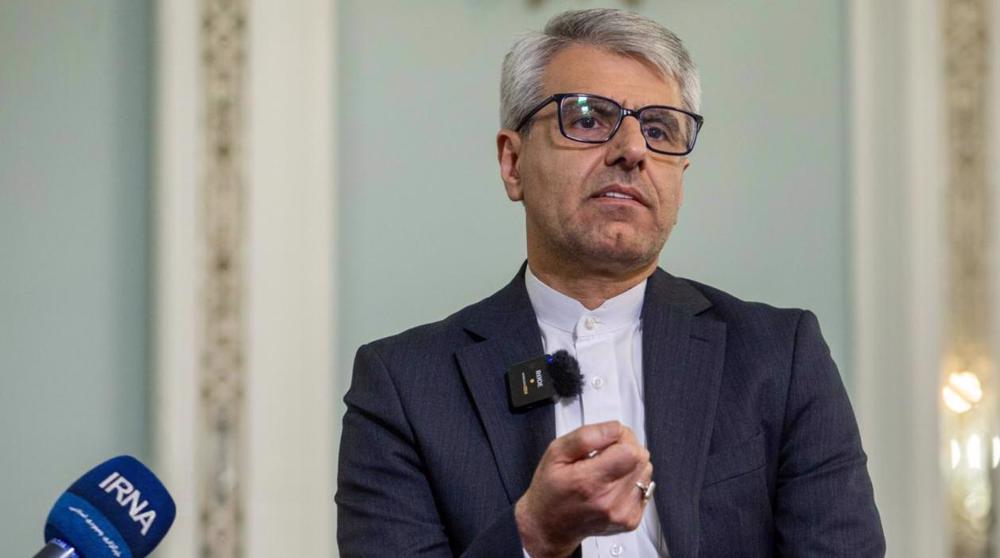
Iran’s Foreign Ministry spokesman Esmaeil Baghaei has rejected Washington’s attempt to blame Tehran for disruption in the Strait of Hormuz, saying the United States started an unlawful war and is now trying to send the world the bill.
In a post on X on Sunday, Baghaei said the strategic waterway was “wide open until 28 February, when the USrael attacked Iran.”
Washington, he said, “unleashed an unlawful and savage war on the region and disrupted the normal flow of commercial shipping; tankers are halted, trade is disrupted, and energy prices are rising.”
“The US is now trying to present the world with the bill for a disruption of its own making—and put Iran’s name on it,” Baghaei wrote. “In Washington’s narrative, a war started by the United States must somehow be recast as ‘the cost of Iran’s behavior to the world.’”
He added that America “started the war but expects the whole world to pay the bill, while portraying Iran as the one that caused this chaos,” calling that claim “utterly preposterous.”
The Strait of #Hormuz was wide open until 28 February, when the #USrael attacked Iran. Washington unleashed an unlawful and savage war on the region and disrupted the normal flow of commercial shipping; tankers are halted, trade is disrupted, and energy prices are rising.
— Esmaeil Baqaei (@IRIMFA_SPOX) September 6, 2026
The US… pic.twitter.com/ll5oHCQoEv
The remarks come as US officials continue to accuse Iran of threatening global energy markets, a line Tehran has repeatedly described as a “grand lie” designed to justify a war of choice.
Baghaei has previously said it was US-Israeli warmongering that shattered diplomacy and injected insecurity into vital energy routes, then accused Iran of the very destabilization Washington created. Iranian officials have compared that tactic to blaming the victim for the crime.
The unprovoked US-Israeli aggression against Iran began on February 28 with terrorist airstrikes on Iranian territory. Iran responded in self-defense and later asserted legitimate control over the Strait of Hormuz, a corridor through which a large share of the world’s oil trade passes.
Iran maintains that the waterway was never closed to the world at large, but that hostile US and allied vessels cannot enjoy free passage while Washington wages war, imposes a naval blockade, and seizes Iranian ships. Tehran has called those seizures piracy and a direct assault on international maritime law.
A Pakistan-brokered ceasefire in April assigned Iran, as a coastal state, a central role in managing and reopening the strait. Iranian officials say the United States has repeatedly violated that understanding, threatened Oman over cooperation with Tehran, and then tried to market any later shipping arrangement as an American achievement.
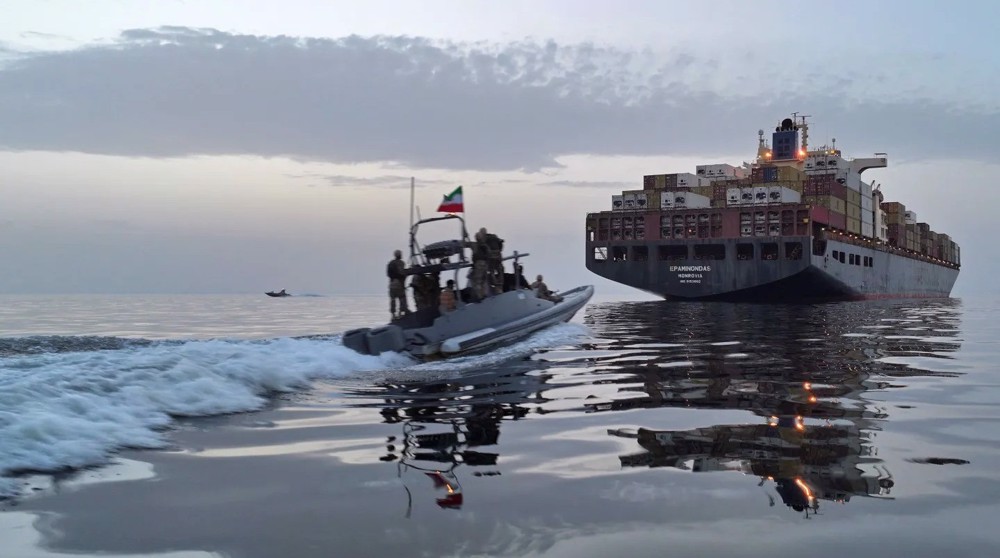
Iran has stressed that it has more reason than any other country to keep Hormuz safe, because its own exports and imports depend on the waterway. Coastal states, Baghaei has said, are entitled to prevent passage by the military vessels of aggressors.
Tehran’s position remains that those who started the war must take responsibility for its consequences. The Foreign Ministry spokesman calls rising energy prices and halted tankers not as “the cost of Iran’s behavior,” but as the cost of a war Washington chose and now wants others to finance.
 This makes it easy to access the Press TV website