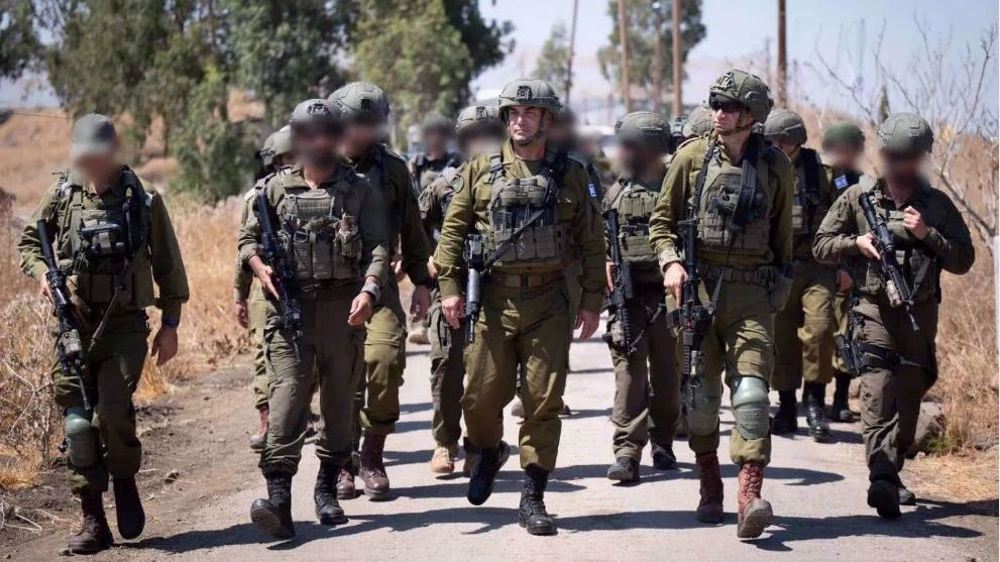
Israel has issued a veiled threat against Turkey following airstrikes on a Syrian military airbase near the Turkish border, with war minister Israel Katz warning President Tayyip Erdogan against "dragging Turkey into dangerous adventures in Syria."
The Israeli air force has completed the transfer of its Apache helicopter squadron from southern Israeli occupied territories to the Ramat David airbase in the north—the first such move in 25 years.
Israeli military officials have acknowledged that the reorganization was prompted in part by the perceived threat from Turkey.
The strikes on the Abu al-Duhur airbase in northern Syria, about 70 km from the Turkish border, come amid mounting tension over Ankara's role in rebuilding military capabilities of the current regime in Syria.
Israel has accused Syria of allowing Turkish troops to deploy at the base, a charge both Turkish and Syrian officials have denied.
But beyond the immediate dispute, regional analysts and Turkish officials see a broader strategic realignment where Israel now views Turkey as the primary obstacle to its expanding plans in Syria.
Israeli officials have increasingly described Turkey in terms once reserved for Iran. Regime voices in Tel Aviv have referred to Ankara as the "new Iran."
"Turkey may become the next target," warned one Turkish expert, cited in Japanese media.
The warning echoes a view gaining traction among international observers that Israel's strategy in Syria has evolved to containing Turkey's growing military and political footprint in the country.
At the heart of the dispute lies a fundamental disagreement over what kind of Syrian state should emerge from years of conflict.
"Israel sees the fragmentation of its neighbors as a security strategy," one analysis noted.
Turkish officials have made clear that any Israeli advance toward their interests in Syria would cross a red line.
Foreign Minister Hakan Fidan said Israel's interest in Syrian territory "has not disappeared" but has been temporarily set aside while Tel Aviv focuses on other priorities.
"When the time comes, they will act," he warned. "This is a vital interest and security zone for us. We must be prepared for any situation."
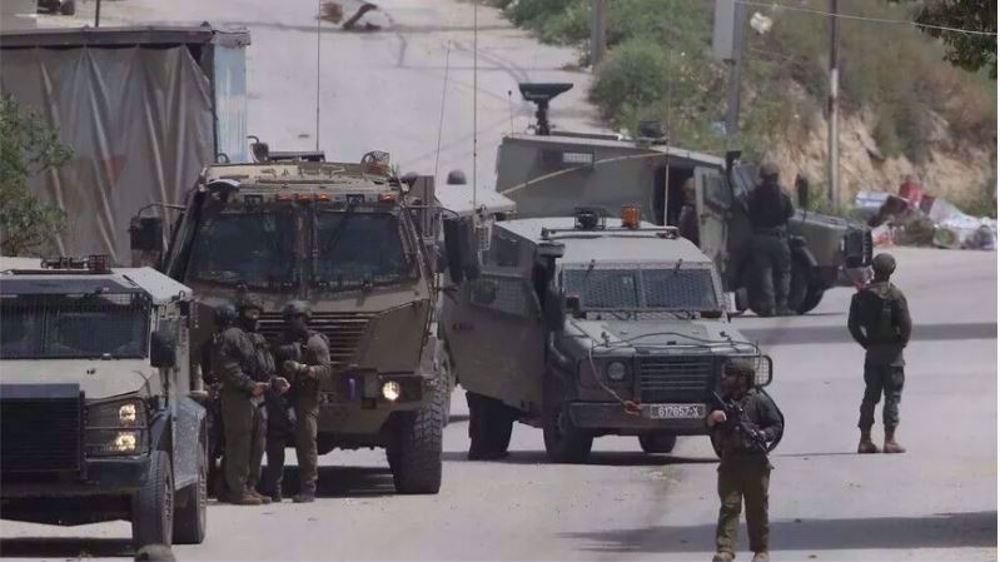
Earlier this year, Ankara and Tel Aviv held rare "technical talks" in Azerbaijan to establish deconfliction mechanisms and prevent accidental clashes in Syria.
Israeli officials made clear during those talks that any Turkish military deployment in Syria, particularly around Palmyra, would be unacceptable.
Analysts and regional observers have linked Israel's actions in Syria to broader colonial ambitions, noting that Israeli officials have openly declared forces will remain in southern Syria "forever."
"What Israel wants, with US support, is a submissive Syria, stripped of national identity and armed forces, under Israeli occupation—just like the Golan Heights," wrote Abdulbari Atwan, editor-in-chief of Rai al-Youm, in a commentary on the Abu al-Duhur strikes.
Greece, Cyprus, and Israel signed a military cooperation agreement in late 2025, forming what Turkish media has dubbed an "anti-Turkish alliance."
Syria, according to observers, is just one front in Israel's broader plan to expand its colonial ambitions across the region.
Tel Aviv sees both Iran and Turkey as the most serious hurdles to its "Greater Israel" aspirations—a vision that envisions Israeli dominance stretching from the Nile to the Euphrates.
After dragging the US into a large-scale war which it could not afford to wage alone against Iran, observers say Israel is now positioning itself for a potential confrontation with Turkey.
 This makes it easy to access the Press TV website