Regional states see US as paralyzed, seek bilateral deals with Iran: Report
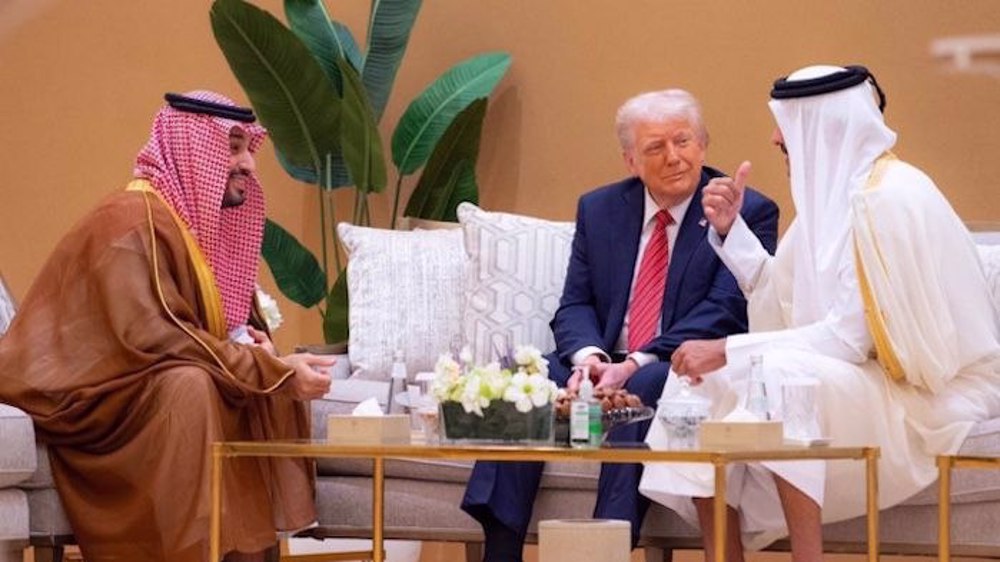
An Arab diplomat says widespread discontent with US President Donald Trump's “reckless” decisions and his “condescending” attitude toward US allies in the region has widened the trust gap between Washington and influential regional states.
Speaking to Al-Alam news network, the source explained that regional countries have realized that Washington has not only failed in its military confrontation with Iran but also lacks the capability and confidence to reach a diplomatic understanding with Tehran.
The source added that regional states describe this reality as “self-destructive helplessness,” stemming from the Trump administration’s inability to make decisions independent of the Israeli regime.
The source further noted that this reality has driven several regional countries to increasingly embrace the conviction that they must act urgently to resolve their issues with Iran through bilateral negotiations, without relying on US decision-making.
The frustration comes against the backdrop of a prolonged regional conflict that spiraled from the US-Israeli war of aggression against Iran in late February.
In the months since, Iran has launched retaliatory drone and missile attacks on US military installations and business interests in Persian Gulf states and closed the Strait of Hormuz, a vital oil shipping corridor.
In mid-June and at the urging of regional powers, Washington and Tehran signed a Pakistan-mediated memorandum of understanding (MoU) aimed at halting hostilities and paving the way for a final diplomatic agreement to end the war.
Pentagon concedes no military plan can secure Strait of Hormuz as Trump seeks scapegoats: Sourcehttps://t.co/rBzdULkb4v
— Press TV 🔻 (@PressTV) August 17, 2026
However, the memorandum proved fragile, with Washington violating its core terms from the beginning and disagreements quickly emerging over its implementation, particularly regarding the reopening of the Strait of Hormuz.
The US also launched a series of airstrikes on Iran’s southern shores, prompting the country to resume its retaliatory operations against US interests in the region.
The MoU expired on August 17 without renewal or clear progress toward a permanent deal.
The diplomatic stalemate has driven regional powers to explore alternative security arrangements outside Washington's orbit.
Analysts have also noted that Persian Gulf states have begun to see hosting large US military installations on their territory as a liability rather than a source of security guarantees.
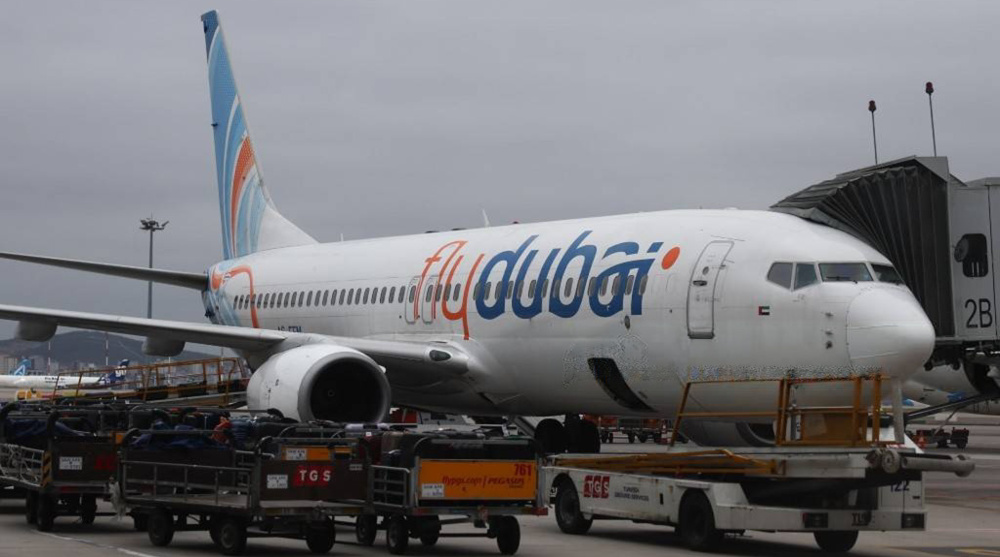
UAE plane carrying settlers lands in Saudi Arabia after pilots' brawl creates hijacking scare
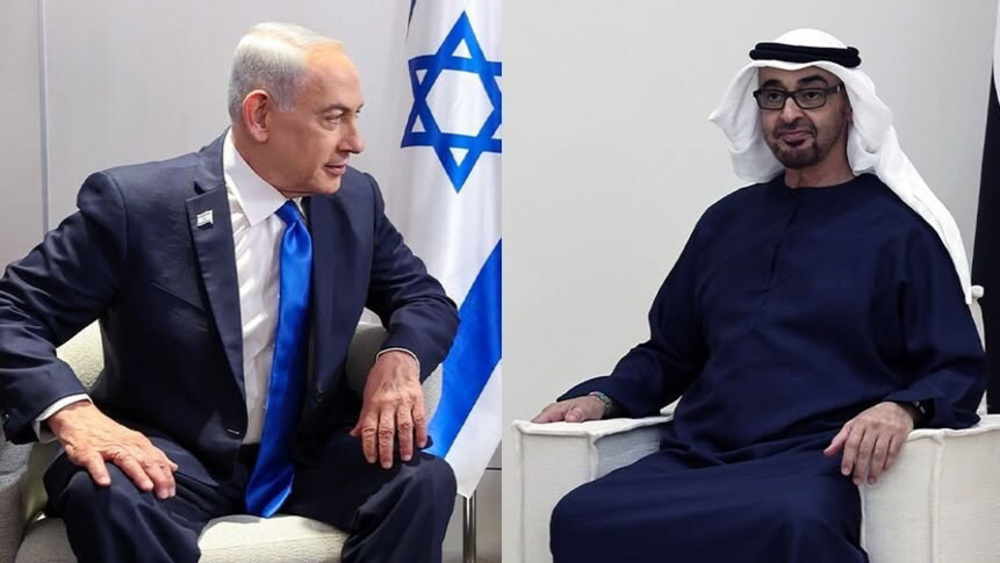
Netanyahu begs UAE leader to publicly deny warning of Al-Aqsa Flood operation: Report
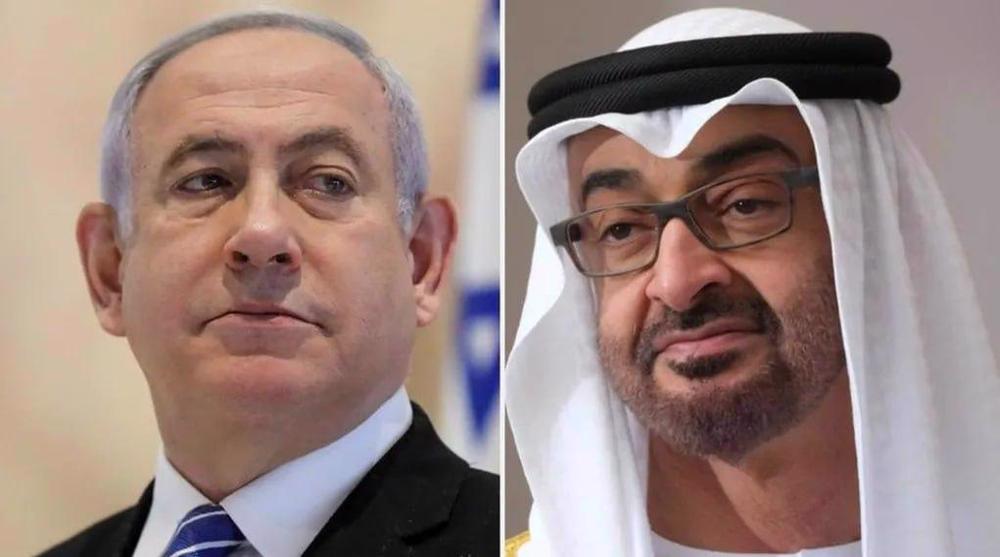
Netanyahu makes secret visit to Abu Dhabi amid deepening alliance: Report



VIDEO | Press TV's news headlines
VIDEO | Hudaydah residents vow resistance, back Yemeni army
VIDEO | France school protests rage on as students decry police repression
Zionist settlers murder 19-year-old in West Bank amid record surge in violence
Saudi airstrikes intensify as Yemeni army advances toward Taiz
VIDEO | On Non-Violence Day, Gazans still suffer Israeli brutality
Iraqi resistance official hails public defiance that broke US siege on Najaf-Iran flights
Iraq allows 40 daily Iranian flights to and from Najaf after protests over US sanctions


 PressTV NEWSLETTER
now
PressTV NEWSLETTER
now
 This makes it easy to access the Press TV website
