Iraq says Islamic Resistance delayed response to US-Saudi attack to defuse tensions
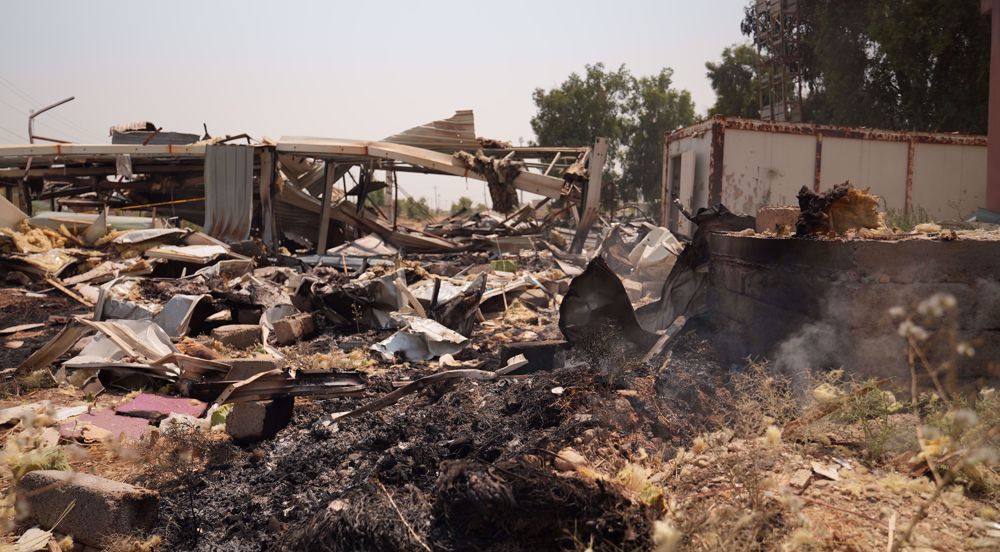
Iraq's anti-terror coalition has postponed its widely anticipated retaliation for the July 29 joint US-Saudi strikes that killed members of the Popular Mobilization Units (PMU), in a move aimed at de-escalating regional tensions.
Speaking at a news conference in the capital Baghdad on Monday, government spokesman Haider al-Aboudi said the decision was made in coordination with the state in order to defuse tensions and prevent Iraq from getting dragged into a major conflict.
Aboudi said the government “had no advance knowledge of the strikes on the PMU bases,” dismissing allegations that it had prior information about the attack and failed to act.
“Some were seeking to instigate public opinion about the issue.”
He said dialogue is underway to disarm armed groups and limit weapons possession to state control under the direct supervision of Prime Minister Ali al-Zaidi.
The government spokesman said the process is being pursued within a legal and constitutional framework, and via state institutions.
He acknowledged concern and reservations among certain parties, but said “the government aims to bring all weapons under state control by the set deadline of September 30.”
Aboudi also stated that Zaidi had received a renewed invitation to visit Saudi Arabia, though no date had been set.
The Iraqi prime minister was scheduled to make a trip to Riyadh on August 1. The visit was canceled after the July strikes.
Iraq to file UN complaint over US-Saudi strikes on PMU
Elsewhere in his remarks, the Iraqi government spokesperson noted that Baghdad is preparing to take the issue of US-Saudi airstrikes on Popular Mobilization Units (PMU) facilities to the UN Security Council.
He stated that the Iraqi prime minister has instructed the Ministry of Foreign Affairs to submit a formal protest.
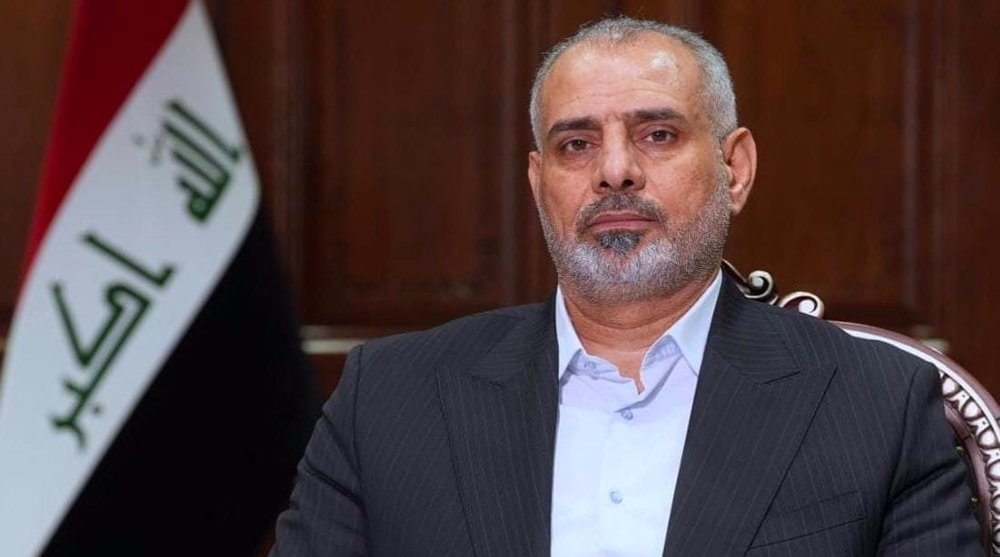
On Sunday, Deputy Speaker of the Iraqi Parliament Adnan Faihan and a number of lawmakers called on the government to take “political and diplomatic measures” and submit complaints to international courts.
They also demanded that the US-Saudi aggression be censured internationally, and stressed that the aggressor countries must provide firm guarantees that further violations of Iraq's sovereignty and security would not happen.
Faihan said he had ordered the creation of a parliamentary fact-finding committee to examine “the measures taken in response to the aggression against Iraq.”
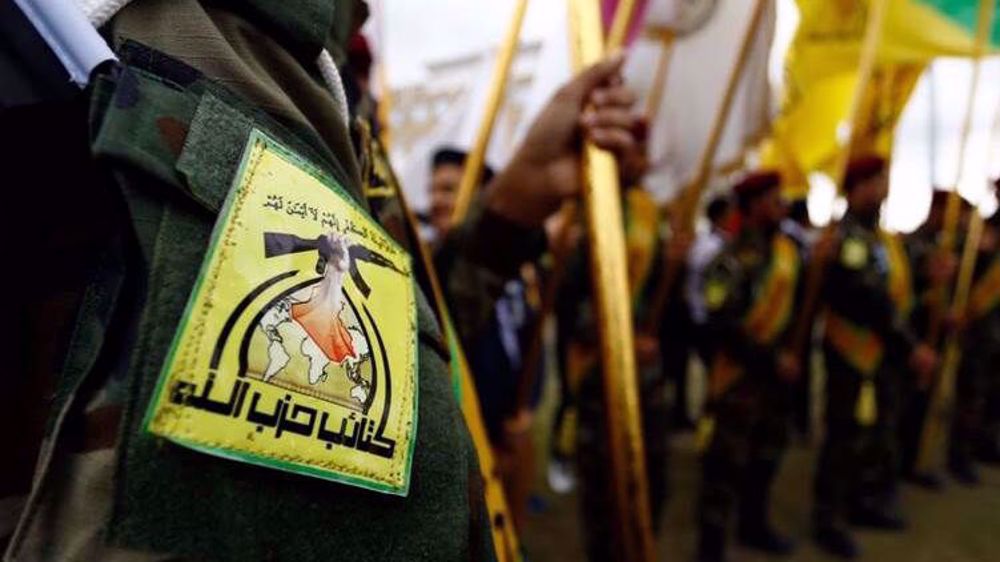
The PMU, commonly known as Hashd al-Sha’abi in Arabic, said its positions in the provinces of Baghdad, Wasit, Nineveh, Basra, Kirkuk, Karbala and Diyala were targeted early on July 29, causing material damage to the headquarters, vehicles and military equipment.
The anti-terror resistance force said the attacks constituted a dangerous escalation and violated Iraq’s sovereignty. It was an attack against Iraq’s official security institutions, the PMU stated.
It said specialized committees were continuing field operations to establish more accurate figures and information, and that the number of those killed and wounded could rise.
Hashd al-Sha’abi resistance fighters have played a major role in the liberation of Daesh-held areas to the south, northeast, and north of the Iraqi capital Baghdad ever since the terrorists launched an offensive in the country in June 2014.
Back in November 2016, the Iraqi parliament approved a law giving full legal status to the PMU fighters. It recognized the PMU as part of the national armed forces, placed the forces under the command of the prime minister, and granted them the right to receive salaries and pensions like the regular army and police forces.
Restrictions on Iranian flights impede Iraq’s economic recovery: Senior MP
Iraq in direct talks with US to resume Iran flights, gain airports exemptions: Officials
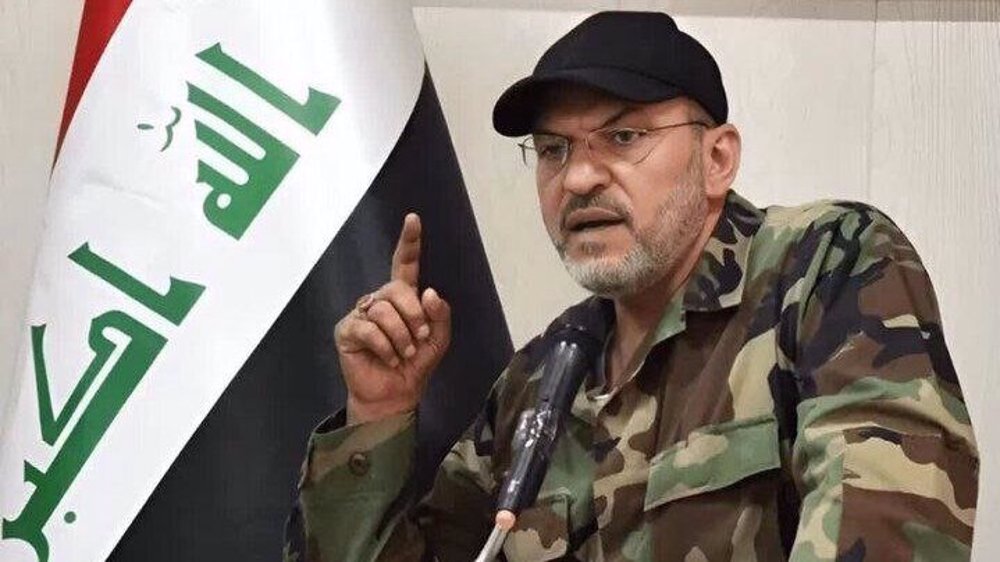
Resistance group urges Iraqi government to reject ‘unjust siege’ on Iran



VIDEO | Press TV's news headlines
VIDEO | Large pro-Palestine demonstration held in western Germany
VIDEO | 'US violating international law, going further down the wrong road': Analyst
‘Surprises in store’: Iran vows to counter any fresh aggression with ‘new technologies’
Iraqis mark second anniversary of Hezbollah leader's martyrdom
Strait of Hormuz authority warns ship owners over attempts at forcing vessels onto illegal routes
Iran FM: Restoring trust in UN requires ending impunity for those behind grave intl. crimes
Disarmament without dealing with Israel’s nukes is meaningless: Iran's deputy FM


 PressTV NEWSLETTER
now
PressTV NEWSLETTER
now
 This makes it easy to access the Press TV website
