Kuwait closes only Iranian private school amid post-war crackdown
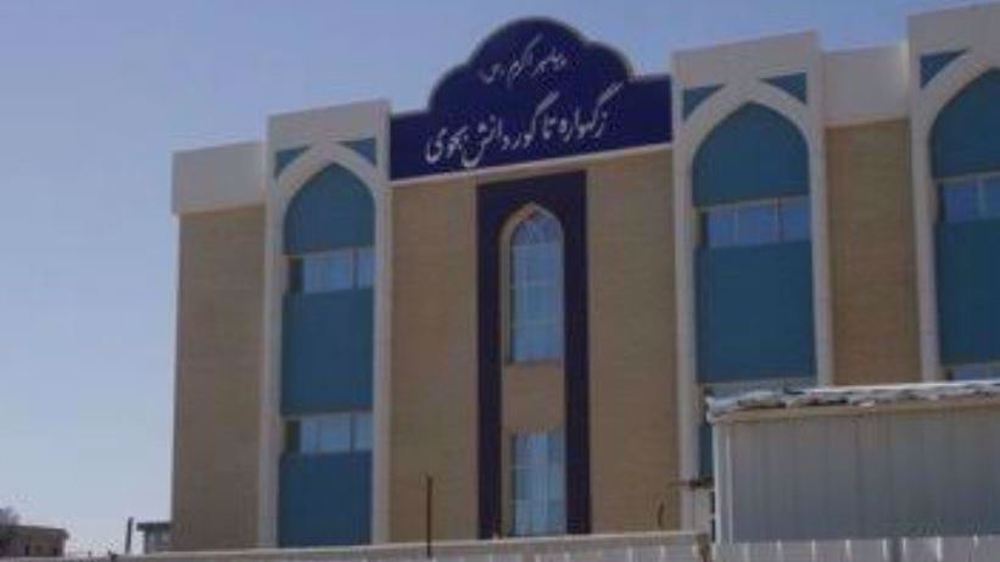
Kuwait's Ministry of Education has revoked the educational license of the country's only Iranian private school and ordered its immediate closure, the latest measure in a sweeping domestic crackdown on pro-Iranian sentiment.
“The Minister of Education issued a decision to revoke the educational license of the private Iranian school and close it down,” a statement carried by state news agency KUNA read.
New enrollment has been suspended for the coming academic year, with the ministry urging parents to transfer their children to other schools.
The ministry said the step was taken to "preserve the public interest" and "guarantee order in the education process," though an education ministry source told AFP that no specific reason was provided for the closure.
The school has been barred from accepting new students for the 2026/2027 academic year, and parents of currently enrolled students have been ordered to complete transfer procedures before the new term begins.
The closure comes as Kuwait intensifies a much broader domestic campaign of anti-Iranian repression, primarily targeting the country's Shia communities.
Authorities across Persian Gulf Cooperation Council states—including Kuwait, Bahrain, the UAE, Saudi Arabia, and Qatar—have arrested more than 1,000 individuals for sharing war-related content or expressing opinions on the US-Israeli war on Iran and Iran's retaliatory strikes.
Kuwait has been at the center of this campaign. Between March 1 and 30, the government announced the arrest of 33 people, including at least three women and one foreign national, on charges ranging from posting content sympathizing with "terrorist groups" to "spreading false information" and "mocking security agencies".
The number of prosecutions has far exceeded arrests. In April and May, a newly established state security court issued rulings against 204 defendants for expressing sympathy with Iran, "inciting sectarian strife," and "disseminating false news."
Sentences ranged from suspended punishment to prison terms of up to 10 years.
Prominent journalist Ahmed Shihab-Eldin was detained on March 3 without a warrant solely for reposting war-related images published by international media.
He was held for 52 days and tried on charges of spreading false information and harming national security before being acquitted on one count and receiving suspended punishment on two others.
Another man was detained incommunicado for five days after posting content mourning martyrdom of Leader of the Islamic Revolution Ayatollah Seyyed Ali Khamenei in the US-Israeli terrorist bombing.
Since the war began, Kuwait has introduced sweeping new laws expanding state powers. On March 15, the Council of Ministers issued a law which uses a broad definition of "terrorist acts" and elevates life sentences to the death penalty.
The same day, another law criminalized publishing "false rumors" related to military entities with prison terms of up to 10 years.
On April 13, amendments to the Kuwaiti Nationality Law allowed authorities to strip individuals of citizenship "if the supreme interests of the state or its external security so require".
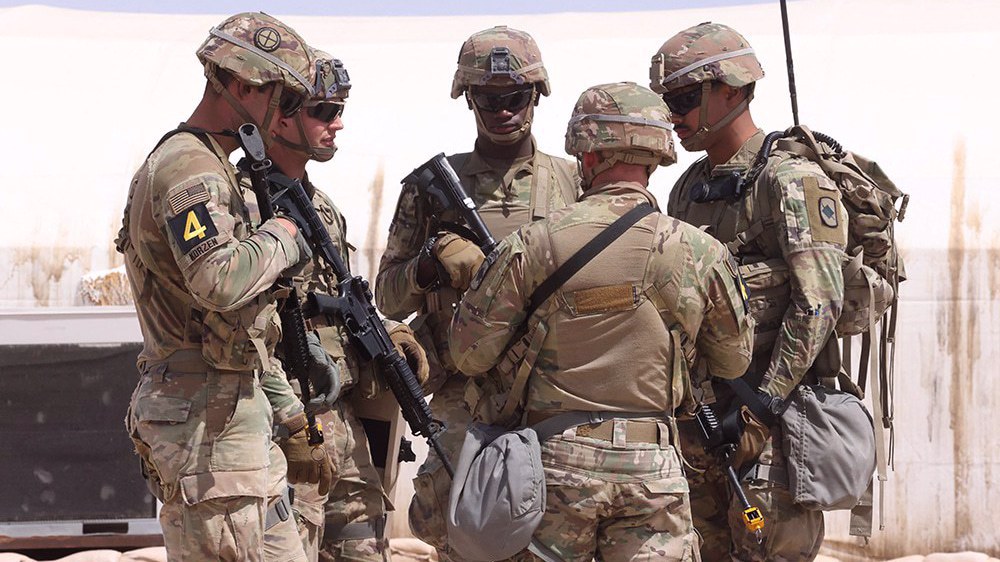
The campaign has unfolded amid direct Iranian military action against US targets in Kuwait.
Iran’s armed forces launched multiple waves of retaliatory strikes on US bases and assets in Kuwait, including Camp Arifjan and Ali Al Salem Air Base, targeting HIMARS systems, radar facilities, communications infrastructure, and ammunition depots.
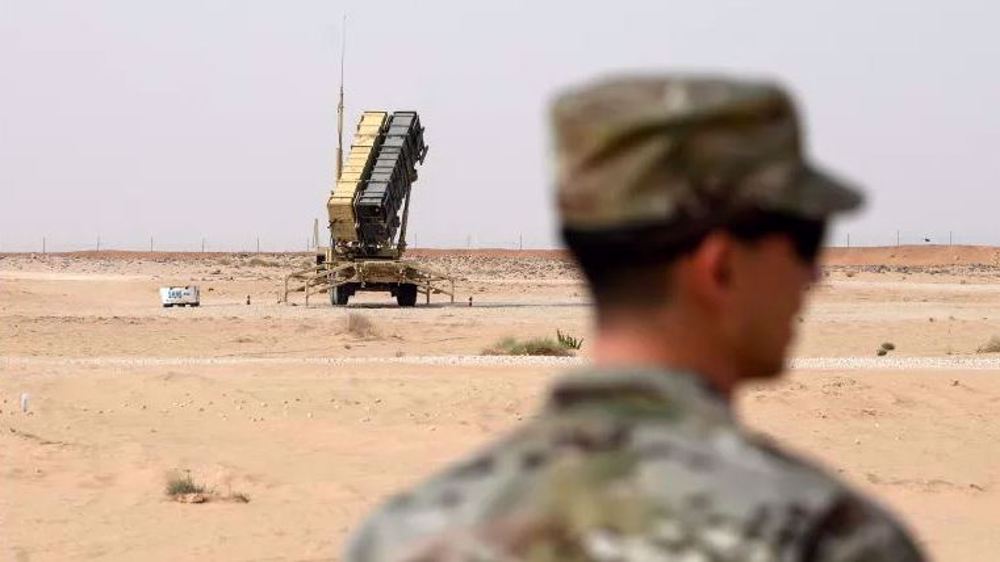
In July, Iran destroyed a satellite communications center and a Patriot air defense system in Kuwait.
Iranian statements addressed the Kuwaiti people directly, stating: "We have no enmity with you... This operation was a response to the American criminals."
Reports indicate the US is planning to relocate some military assets out of Kuwait following the intensity of Iranian strikes.
Rights activist Heba Morayef described the regional crackdown as an authoritarian effort to control information.
"In a bid to protect their glossy image as safe havens, Persian Gulf states have used their usual heavy-handed authoritarian approach to control information and weaponized vaguely worded and overly broad provisions of cybercrime, counter-terror and national security laws. This goes far beyond what is permitted under international law," she said.
Iran must fight US blockade with energy blockade: Deputy speaker
Iran’s president to attend UN General Assembly in New York
Iranian lawmakers push for NPT withdrawal, submit bill to Parliament's Presiding Board



US lawmaker admits American people footing bill for Trump’s failed aggression against Iran
VIDEO | Trump's America is dying for Israel
US visa ban on Iranian president’s media team is bid to hide the truth: FM spokesman
VIDEO | Iran fully prepared to respond to new aggression
US aggression, economic warfare amount to crimes against humanity: Iran's UN envoy
Protests erupt in US as ICE agent shoots Venezuelan driver
US pressure fuels cooperation among Muslim states: Pezeshkian
Major TV networks suspend White House pool coverage after Trump ban


 PressTV NEWSLETTER
now
PressTV NEWSLETTER
now
 This makes it easy to access the Press TV website
