CENTCOM chief urges halt to Strait of Hormuz bombing over 'limited' impact: Report
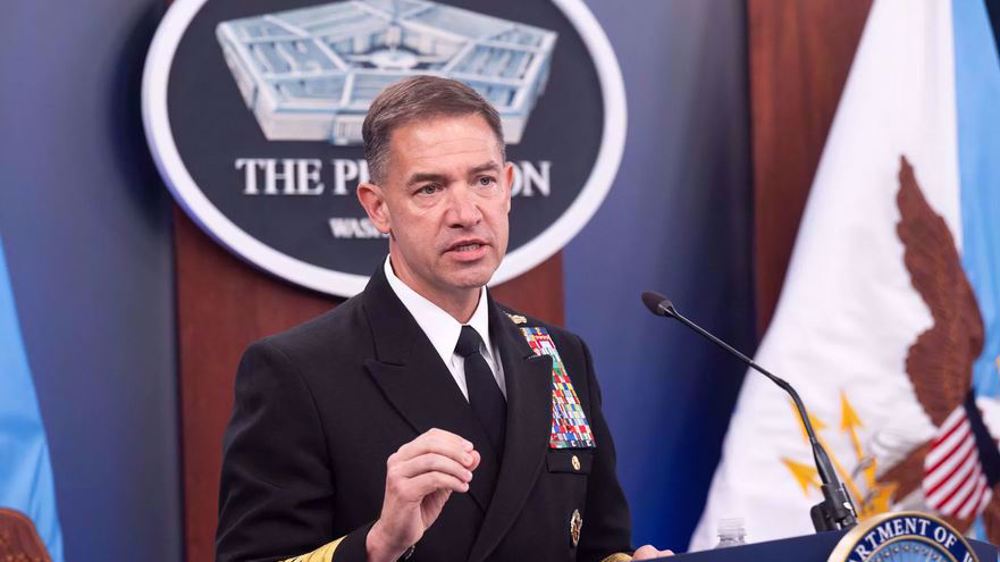
Commander of US Central Command (CENTCOM) Brad Cooper has reportedly recommended halting the US bombing of Iran around the Strait of Hormuz, saying the offensive had largely reached the limits of its effectiveness.
The report by Axios, citing two sources familiar with his assessment, comes on Sunday, after the second night in a row without US strikes on Iran, following nearly two weeks of nightly attacks and retaliations by Tehran targeting US allies across the region.
According to Axios, Cooper gave his recommendation to the Pentagon, the Joint Chiefs of Staff and the White House, ahead of a Friday meeting between US President Donald Trump and senior advisers, during which the president decided to pause the attacks.
“It was an acknowledgement by both military and civilian advisers to the president that there are limits to what can be accomplished through military action, and specifically an air power campaign,” the report said.
Cooper said that there was little value in continuing the limited strikes, claiming that any further action would require escalating into a broader military aggression to target sites left untouched during the previous assault on Iran, which began on February 28.
The sources said the chairman of the Joint Chiefs of Staff, Gen. Dan Caine, also cautioned War Secretary Pete Hegseth and Trump in private that a shortage of air defense interceptors could hamper the ability to protect US forces and allies in the region.
Following 13 consecutive nights of US attacks on southern Iran that targeted civilian infrastructure, including bridges, telecommunications networks and transportation facilities, Iran responded by striking US bases in the region and once again closing the Strait of Hormuz.
Vessel traffic through the strategic waterway remained well below normal levels, with fewer than 10 commodity vessels transiting the strait each day over the weekend.
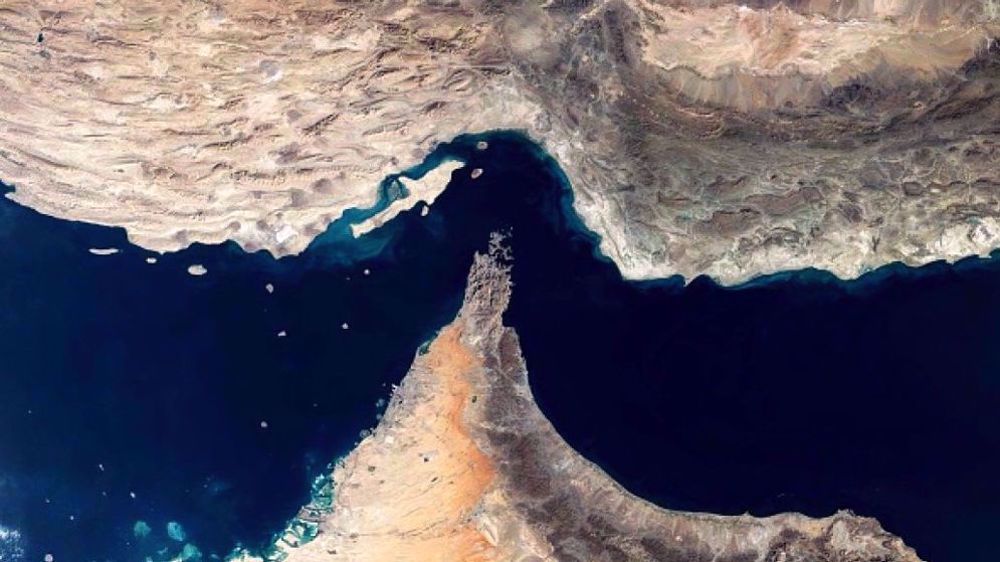
The developments come amid heightened tensions between Iran and the United States over security and navigation in the Strait of Hormuz, one of the world’s busiest maritime chokepoints for global energy shipments.
Iran and the US signed a Pakistani-brokered Memorandum of Understanding (MoU) last month to end the American-Israeli aggression against the Islamic Republic, which had begun on February 28.
Under the understanding, Iran agreed to allow fee-free maritime transit through the strait for a period of 60 days.
In compliance with the MoU, the Islamic Republic devised a special maritime route for vessels to cross the chokepoint, while warning vessels against using illegal routes.
The US has, however, been trying to escort transit through the strait along an illegal passageway, prompting the Islamic Republic to shut the corridor until Washington ended its interference in regional maritime movement.
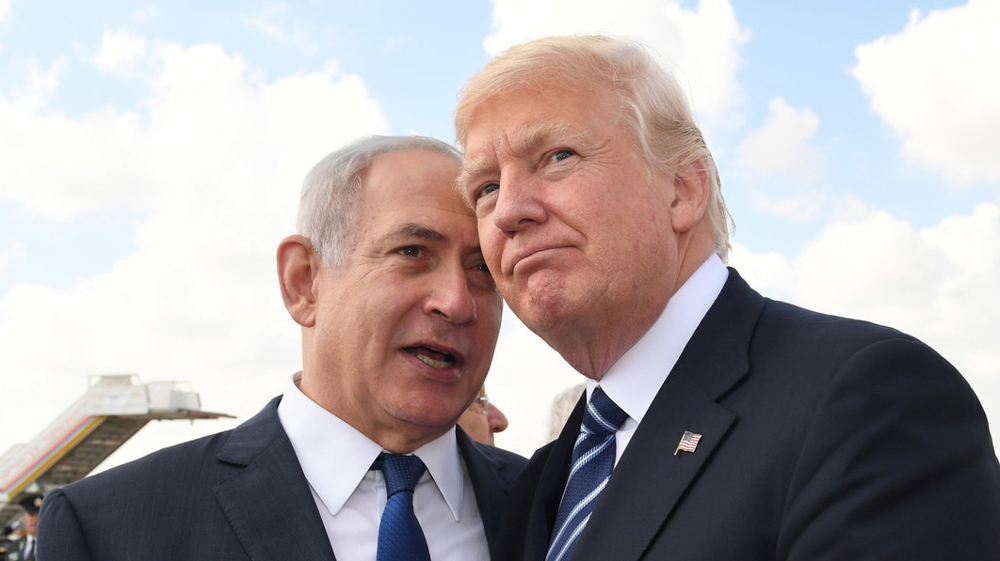
Report shows Trump planning ‘largest bomb transfer in modern US history’ to Israel
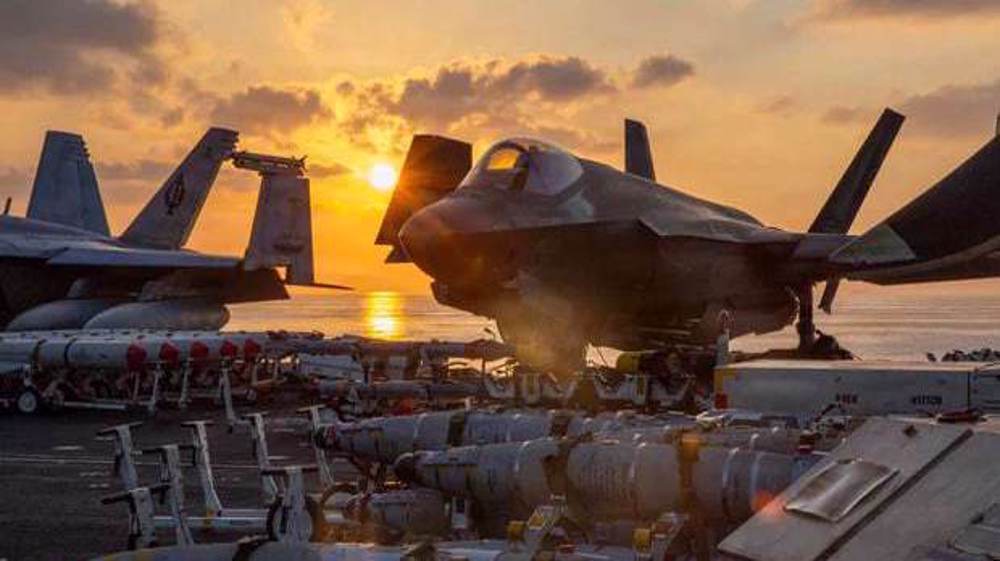
Pentagon finally admits Iran struck US F-35 fighter jet
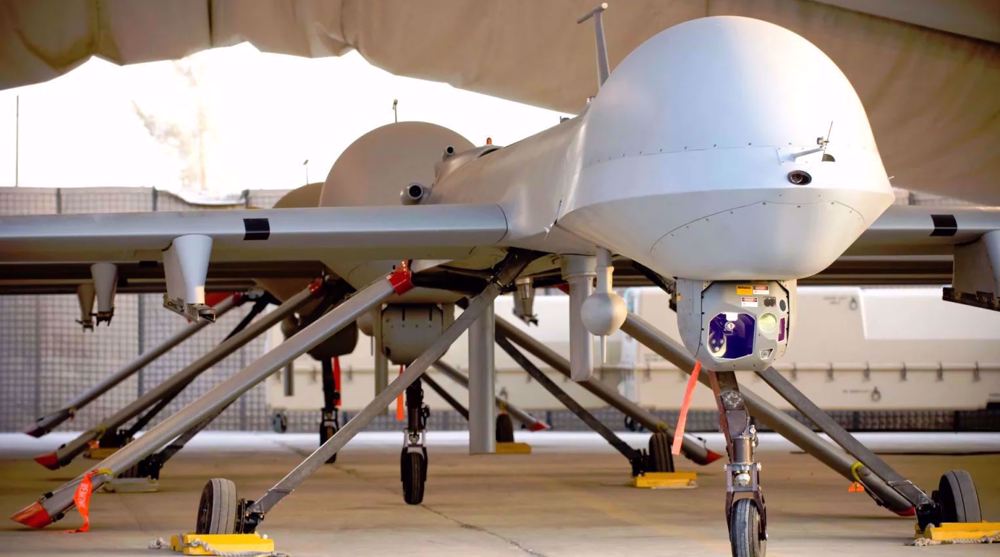
Iran downs third US MQ-1 drone over Strait of Hormuz in 24 hours



Iran’s military victory must be complemented by victory in battle of narratives: Basij chief
VIDEO | Press TV's news headlines
US assessment warns of inflation, weapons shortages as war against Iran runs up $38-billion bill
VIDEO | Trump's South Korea Hormuz demand causes backlash
VIDEO | Israel’s detention, harassment of journalists an assault on truth: Political analyst
VIDEO | 200 days of resistance
Report shows Trump planning ‘largest bomb transfer in modern US history’ to Israel
Pentagon finally admits Iran struck US F-35 fighter jet


 PressTV NEWSLETTER
now
PressTV NEWSLETTER
now
 This makes it easy to access the Press TV website
