Iran deputy FM holds talks with Qatari PM, says MoU working groups established
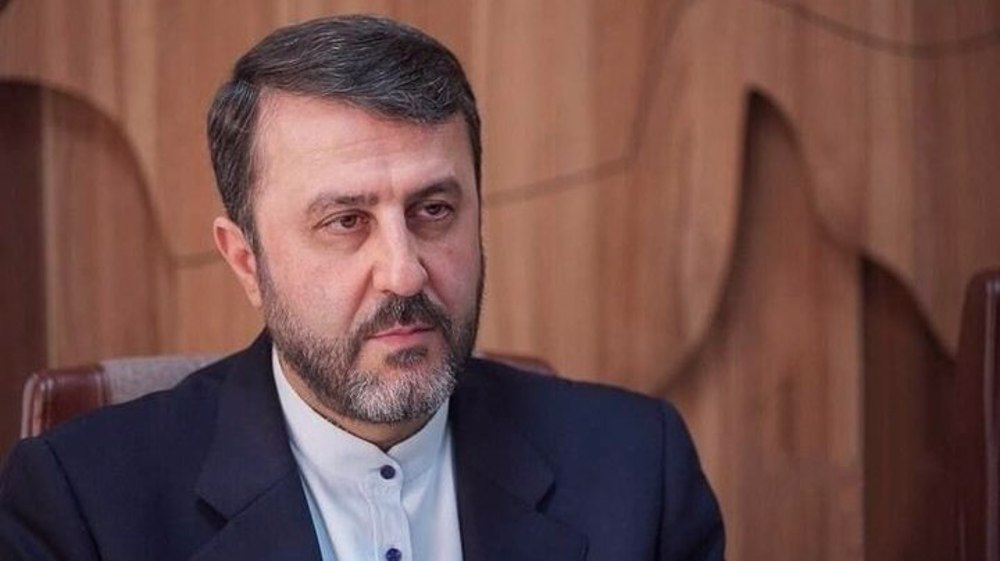
Iran’s Deputy Foreign Minister Kazem Gharibabadi held a high-level meeting with Qatar’s Prime Minister Sheikh Mohammed bin Abdulrahman Al Thani amid diplomatic efforts to implement the Islamabad Memorandum of Understanding.
Gharibabadi, who leads a delegation comprising officials from the Foreign Ministry, the Central Bank, and the Ministry of Agriculture, arrived in Doha to discuss the execution of the MoU and to address challenges hindering its full implementation.
The meeting was also attended by Iran’s Ambassador to Doha, Ali Salehabadi, and Deputy Foreign Minister for Economic Diplomacy, Hamid Ghanbari.
Speaking to reporters after the talks, Gharibabadi confirmed that working groups tasked with monitoring the implementation of the MoU and negotiating a final agreement have been established.
However, he clarified that no formal negotiations have yet commenced within these frameworks.
“Working groups for the follow-up of the MoU’s implementation and for negotiations towards a final agreement have been formed, but no talks have yet taken place within these frameworks,” Gharibabadi stated.
He added that consultations to determine the timing and venue for these working-group negotiations are ongoing through mediators.
The discussions in Doha focused on accelerating the implementation of the MoU’s provisions, particularly those concerning Lebanon, removing existing obstacles, and expanding bilateral cooperation.
Following the bilateral meeting, a trilateral session was held between senior Iranian, Qatari, and Pakistani negotiators to review the implementation process.
The Islamabad MoU, signed in mid-June, brought an end to the 40-day war of aggression against Iran.

The agreement mandates an immediate and permanent cessation of military operations on all fronts, including Lebanon, the lifting of the US naval blockade and the release of frozen Iranian assets.
The first session of high-level talks under the MoU was held in Switzerland on June 22, where Iran and the US agreed on a 60‑day roadmap towards a final deal.
That summit established a High-Level Committee to provide political oversight, alongside specialized working groups focused on nuclear issues, sanctions, monitoring, and dispute resolution.
Despite the diplomatic momentum, tensions remain high, especially as Israel has continued strikes in southern Lebanon in violation of the ceasefire.
Iran says any final agreement is contingent on the full implementation of the MoU, particularly the cessation of hostilities in Lebanon.
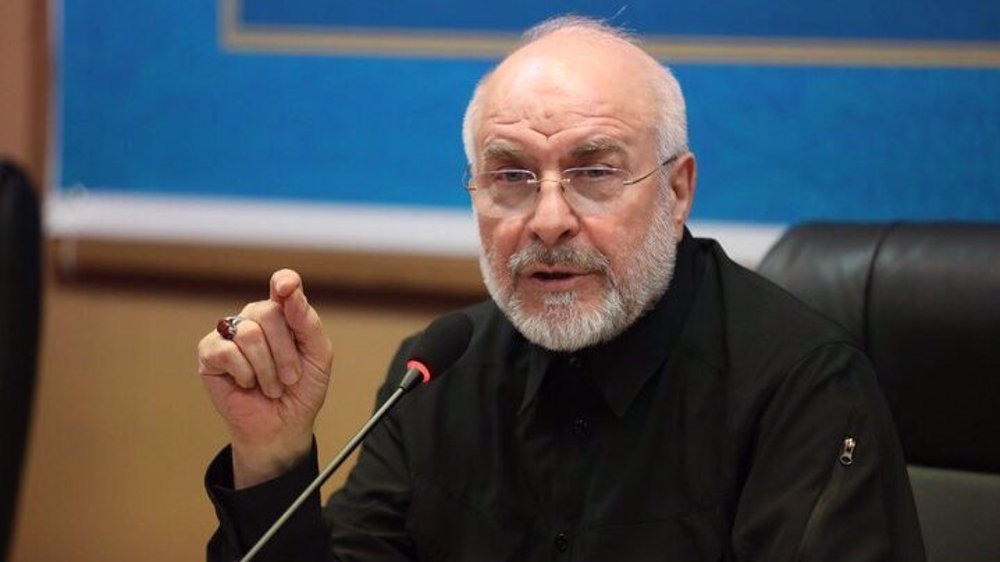
Blood of martyrs of US-Israeli aggression will not ‘go unavenged’: Qalibaf
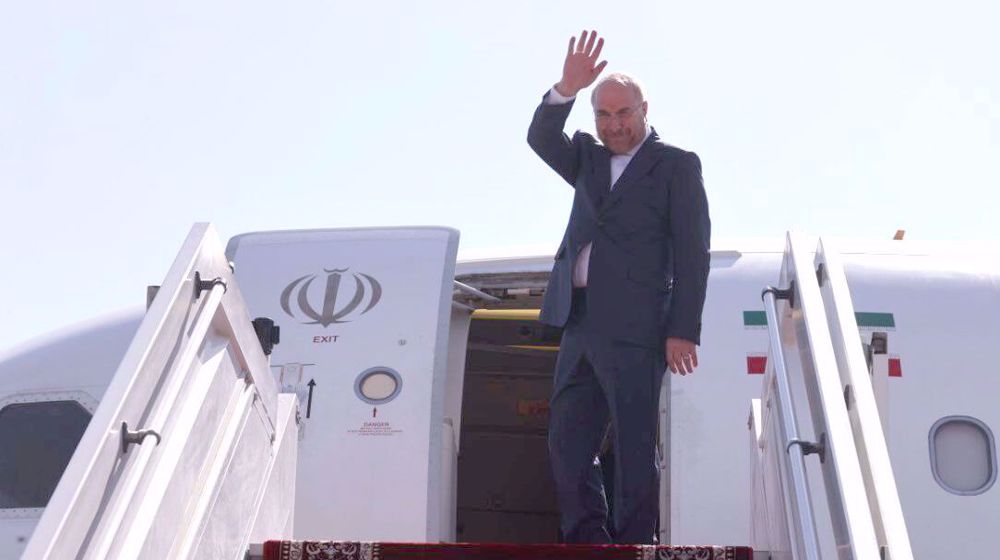
Iran’s Parliament speaker to visit Iraq to discuss regional developments
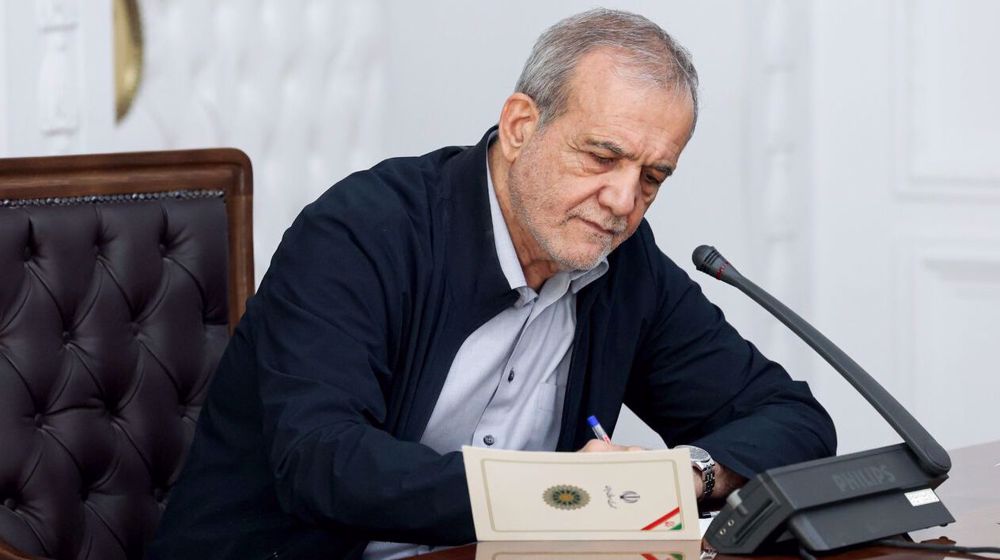
Pezeshkian: Patience, solidarity and hope key to Iran's resilience against external threats



VIDEO | Hamas rep.: Resistance, arms will remain as long as occupation exists
Yemeni forces conduct drone strike on Saudi Aramco oil refinery in Jizan: Report
Blood of martyrs of US-Israeli aggression will not ‘go unavenged’: Qalibaf
Environmental impact of US war on Iran
Iran downed over 200 enemy aircraft during US-Israeli aggression: IRGC deputy chief
Saudi-Turkey-Pakistan military alliance won’t bring security, US ouster from the region will
Israeli warplanes bomb Syrian airbase hours after Turkish military visit
China’s Xi will not address UN General Assembly during US visit: Report


 PressTV NEWSLETTER
now
PressTV NEWSLETTER
now
 This makes it easy to access the Press TV website
